South Aomori · HachinoheNo.1280★★Open in map →
Hachinohe Enburi
— A midwinter dance that prays for the rice harvest
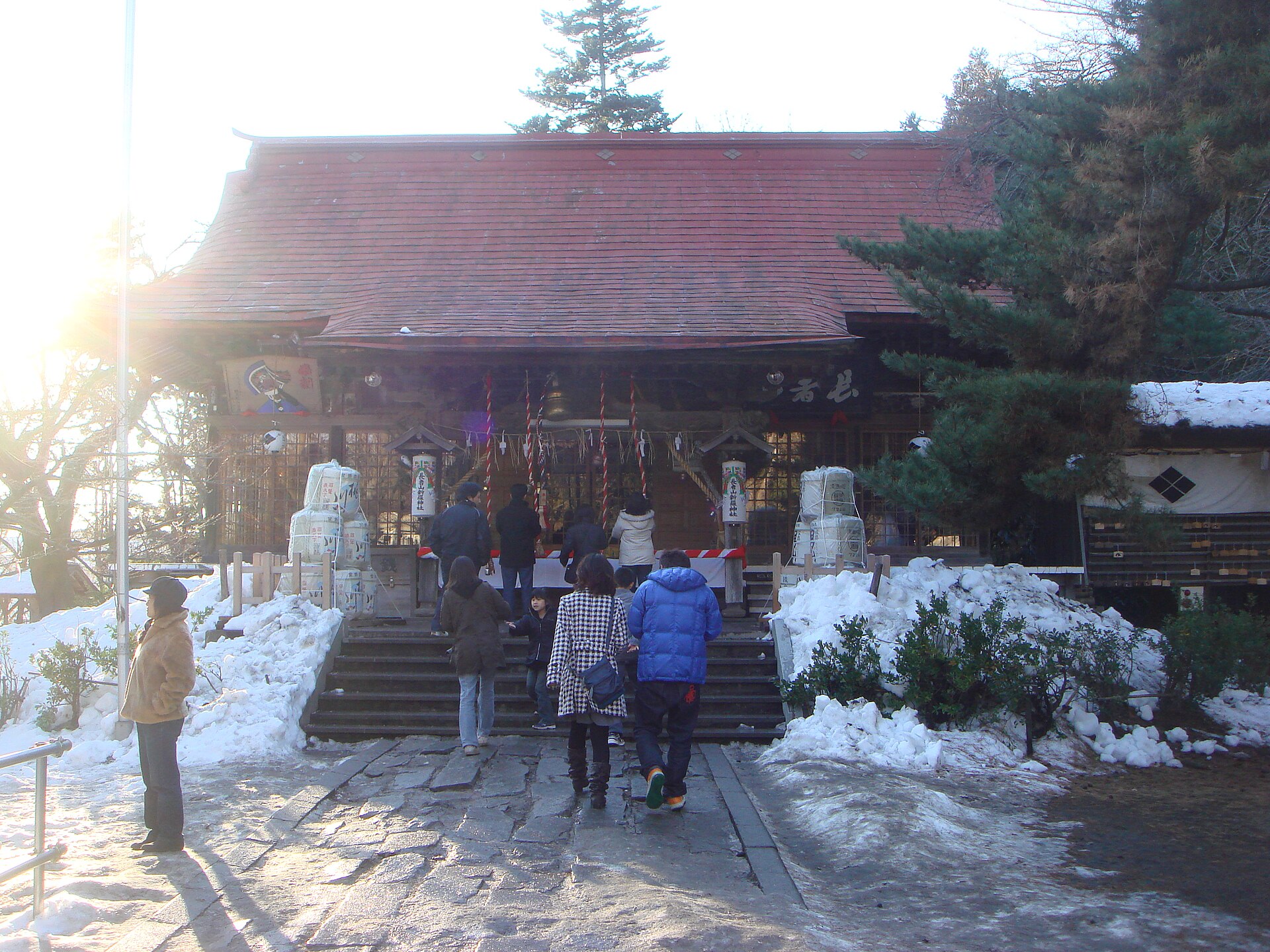
Hachinohe's February festival of harvest-praying dances, led by dancers in horse-head headdresses. It runs over four fixed days and opens with a dedication at Chojasan Shinra Shrine, on a wooded hill south of the city centre.
- FromHachinohe Station
- ~30 minJR Hachinohe Line, then a walk
- Get off atHon-Hachinohe Station (JR Hachinohe Line)
- From there
- Hachinohe Enburi
The sweet spot
Enburi is not obscure. It counts as one of Aomori's three big winter festivals and is a nationally designated folk tradition. What first-time visitors tend to miss is the beginning: before heading downtown, the groups first dance as an offering at the shrine, early on the opening morning.
Where it is
34 more notes in Aomori · open the map →What to look for — in walking order
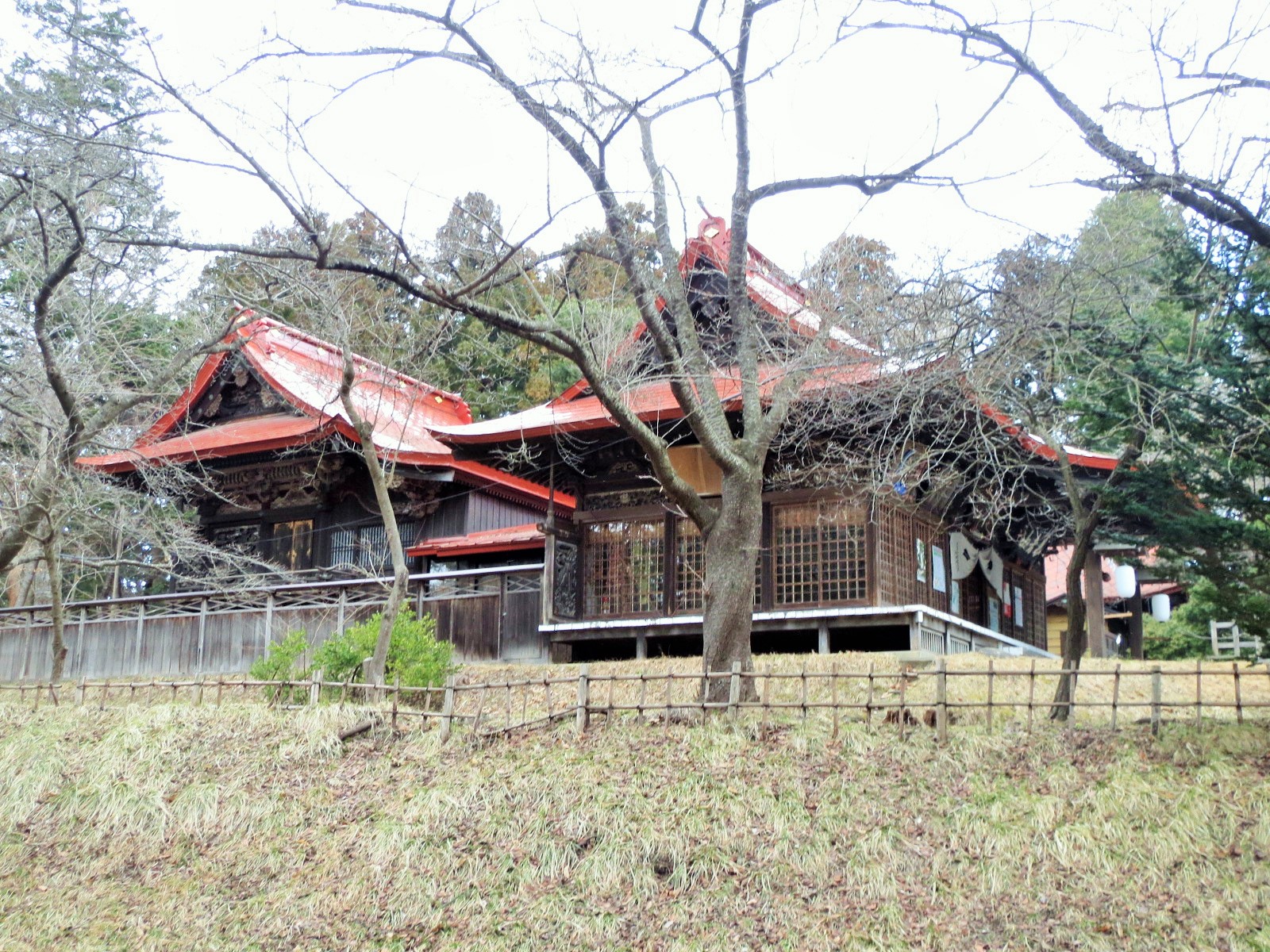
- Chojasan Shinra Shrinethe hilltop shrine where the groups dance their dedication first on the opening morning
- Sakura no Babathe shrine's riding ground, where mounted dakyu polo is played every August
- Central Hachinohethe downtown streets where the groups perform the issei-zuri, all dancing at once
- City Hall Citizen Squarean outdoor venue in front of City Hall, with bonfire-lit enburi in the evenings
- Kojokakua Meiji-era merchant family residence whose garden hosts ticketed evening performances
How to actually get there
- Hachinohe Station → Hon-Hachinohe Station on the JR Hachinohe Line, about 8 minutes.
- Hon-Hachinohe Station → Chojasan Shinra Shrine, about 20 minutes on foot to the south.
- Watch the dedication at the shrine early on 17 February, then follow the groups to the mass dance in the city centre.
- In the evening, go to the bonfire enburi at City Hall or a booked garden show at Kojokaku.
- JR Hachinohe Line to Hon-Hachinohe
- From Hachinohe Station, where the Tohoku Shinkansen stops, take the JR Hachinohe Line to Hon-Hachinohe Station, about 8 minutes. The shrine is about 20 minutes' walk from there. Check the timetable before you go.
- Back to Hachinohe Station
- Hon-Hachinohe is the nearest station to the city centre, and route buses also run between downtown and Hachinohe Station. If you stay for the evening performances, look up the return times in advance.
About the place
Enburi is a rite of advance celebration: the rice year is danced through ahead of time so that the real one goes well. The lead dancers, called tayu, wear tall eboshi headdresses said to take the shape of a horse's head. Swinging their heads and scraping their staffs along the ground, they act out the farm work from sowing the seedbed to levelling the planted field. Between their dances, children in costume perform short blessing pieces such as the Ebisu dance. Some thirty groups from Hachinohe and nearby towns take part, and on the first morning they all dance at once in the city centre.
How to enjoy it
The festival runs from 17 to 20 February every year. The shrine dedication takes place early on the morning of the 17th, after which the groups process into the city centre for the mass dance. Afternoons and evenings move between venues: stage performances in a hall, bonfire-lit enburi in front of City Hall, and the booked garden shows at Kojokaku. If you want to see the dedication, staying in central Hachinohe the night before makes the morning easier.
Background & history
Enburi descends from the rice-planting dances once performed widely across northern Japan. In the Edo period it was a Little New Year custom, danced from house to house, including the homes of wealthy merchants. Early in the Meiji era the prefecture banned it as an outdated habit, and in 1881 local leaders revived it as a rite of Shinra Shrine. The shrine was founded in 1678 by the second lord of the Hachinohe domain, and its present halls date from 1826–27. The dance was designated a national Important Intangible Folk Cultural Property in 1979.
Before you go
- Cash
- The official programme lists the shrine dedication, the procession and the mass dance as free to watch. The garden shows at Kojokaku need a ticket bought in advance, and the ticket includes senbei-jiru soup and amazake. Prices change from year to year, so take them from that year's official programme.
- Before you go
- February in Hachinohe is cold, and the street events mean standing outdoors for long stretches, so dress warmly. The schedule and the groups taking part can change with the weather. The dates are fixed, but each year's timetable is published by VISIT HACHINOHE.
- Another way
- From Hachinohe Station, city buses and Nanbu buses also run to the city centre. Get off at Nijusannichi-machi or Juroku-nichi-machi, about 10 minutes' walk from the shrine.
- After you get off
- From Hon-Hachinohe Station, walk south through the city centre to the wooded hill of Chojasan. The shrine stands on top, about 20 minutes from the station on foot.