North Nagano · OtariNo.855★★Open in map →
Chikuni no Sho Museum
— Barrier post on the old Salt Road
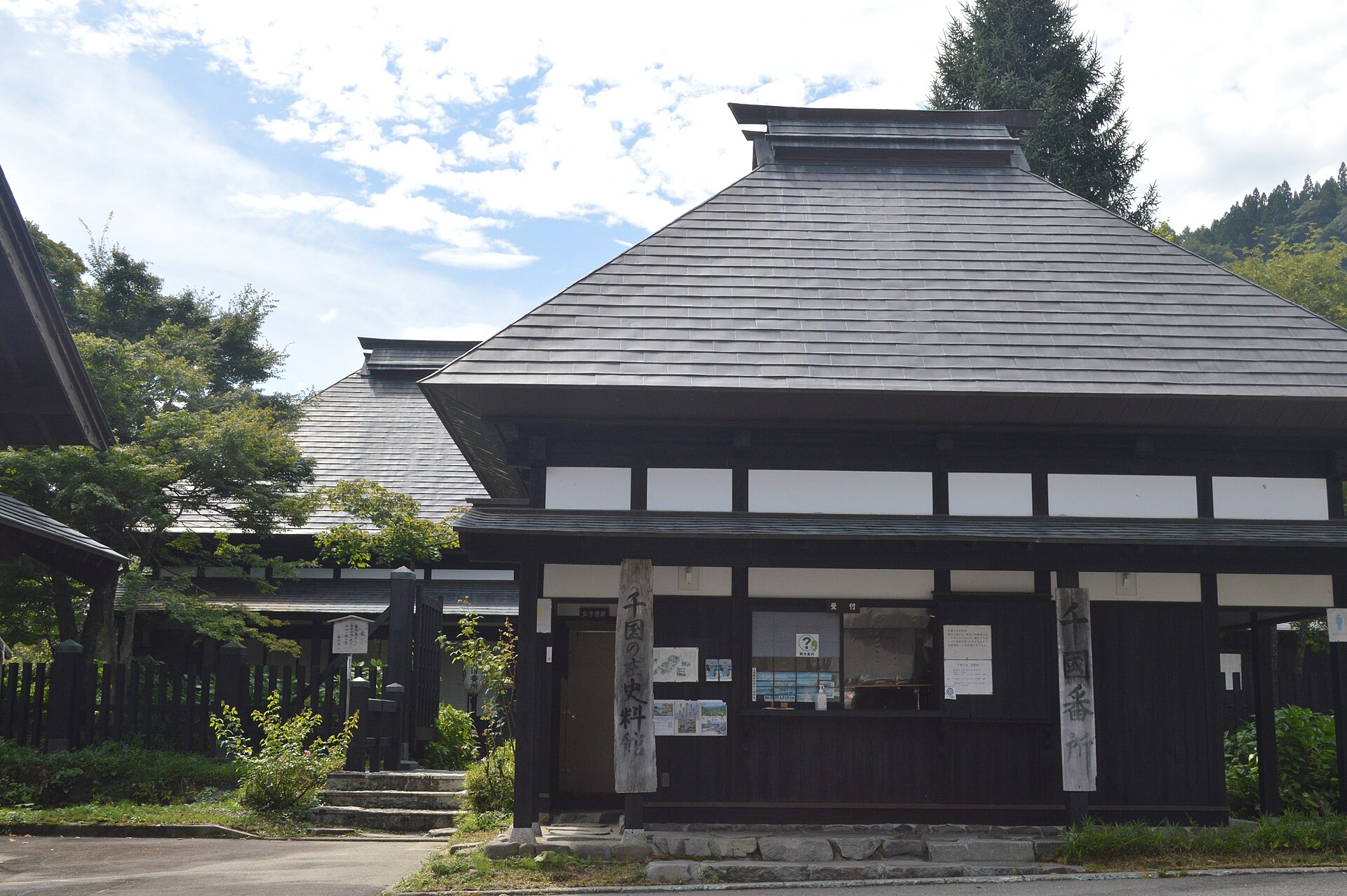
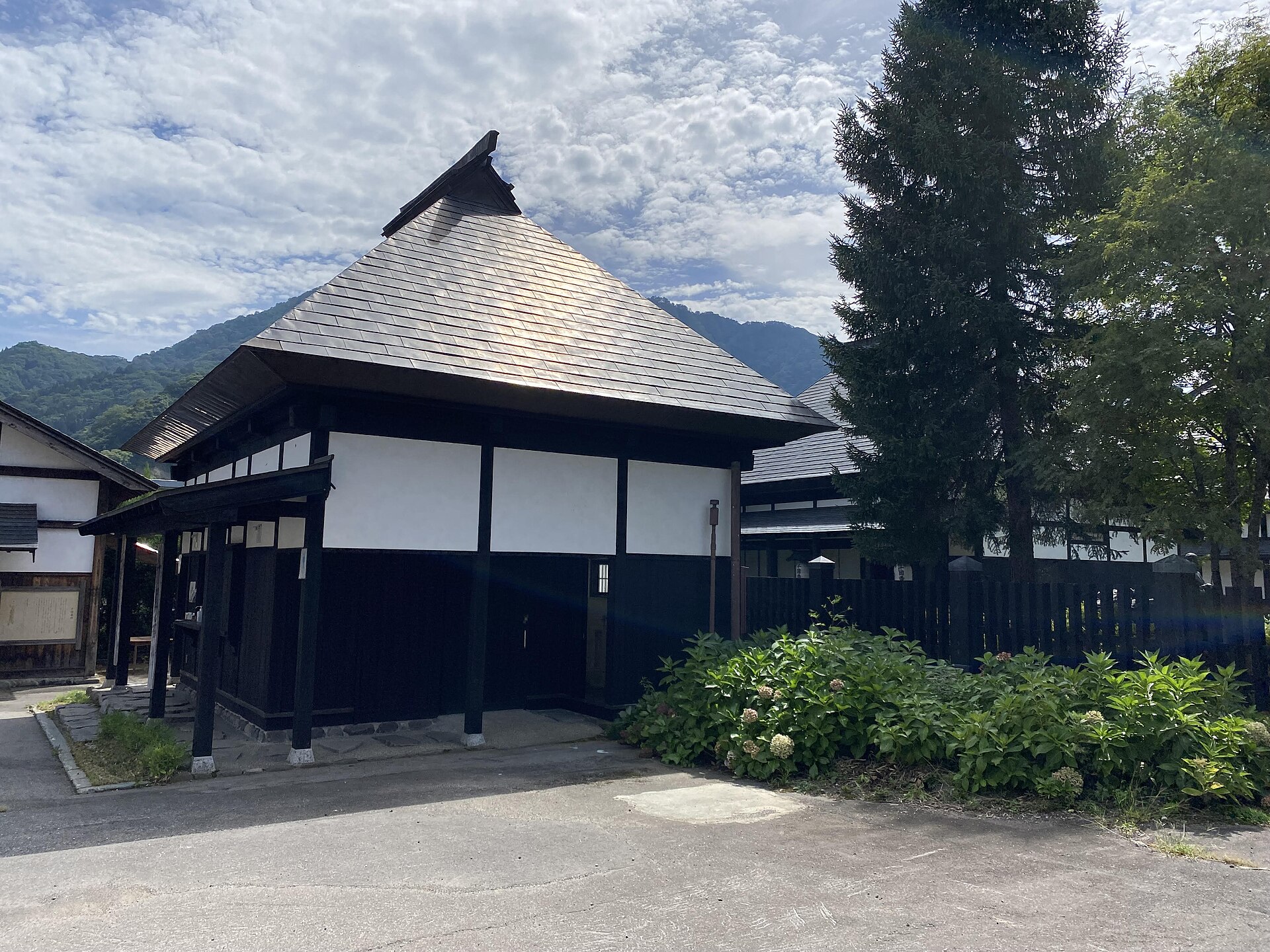
A restored house on the site of the Chikuni barrier, the Matsumoto domain's checkpoint on the old Salt Road between the Sea of Japan and Matsumoto. It stands midway along the best-kept walking section of that road, in a hillside hamlet of the northern Alps.
- FromHakuba Station
- ~15 minJR local train, a few a day
- Get off atChikuni Station (JR Oito Line)
- On foot
- Chikuni no Sho Museum
The sweet spot
This is not an undiscovered place. The Salt Road is a known hiking route in Japan and draws a spring festival. But the Chikuni section stays unhurried: the hamlet has no through traffic, the station is unstaffed, and the museum closes for half the year under snow, so visitors arrive in ones and twos rather than coach loads.
Where it is
27 more notes in Nagano · open the map →What to look for — in walking order
- Maeyama Hyakutai Kannonranks of stone Kannon figures set along the road, facing the Hakuba peaks
- Ushikata-yadoa preserved drovers' inn where oxen and their handlers slept under one roof, with a salt store built without nails
- Oyazaka stone Buddhasthe steepest pitch of the old road, paved with stones laid so laden oxen could climb
- Chikuni barrier sitethe checkpoint ground the museum stands on, with its notices, lanterns and cut-paper scenes of the traffic
- Chikuni Suwa Shrinethe hamlet shrine a short walk on from the barrier, at the far end of the museum stretch
How to actually get there
- Hakuba Station → Chikuni Station (JR Oito Line, local toward Minami-Otari, about 15 min).
- Chikuni Station → Chikuni hamlet on the old Salt Road (walk about 1 km uphill, signposted).
- Follow the Chikuni-goe section between the Ushikata-yado inn and Chikuni Suwa Shrine, with the museum at the barrier site as the midpoint.
- JR Oito Line local from Hakuba
- Hakuba Station →(JR Oito Line, local toward Minami-Otari, about 15 min)→ Chikuni Station, then roughly one kilometre on foot up to the old road. Only a handful of trains call at Chikuni in each direction, with long midday gaps, so choose your train before you set out.
- Return from Chikuni Station
- Southbound trains from Chikuni run back to Hakuba and on toward Shinano-Omachi and Matsumoto. Northbound it is four minutes to Minami-Otari, where the line changes operator for Itoigawa. Departures thin out in the evening, so note the return time on the platform board when you arrive.
About the place
The Chikuni Kaido ran roughly 120 kilometres between the port of Itoigawa on the Sea of Japan and the castle town of Matsumoto. Salt was the cargo that named it. Oxen, packhorses and porters called bokka carried it inland, and went back north loaded with soybeans, tobacco and hemp. Otari village holds the steepest middle stretch, and eight signposted sections of the old route are kept walkable here. The museum occupies the site of the Chikuni barrier, the Matsumoto domain's checkpoint, where cargo and travellers were inspected and a transit duty on salt was collected. Inside are the working objects of the road rather than treasures.
How to enjoy it
Walking the Chikuni-goe from the Tsugaike Kogen end means the whole route runs downhill, and the tourism federation recommends it that way. The museum falls near the middle and has a rest room attached. The section opens once the snow clears in spring and stays walkable until late autumn. If you are riding the train, work backwards from the departure you want and start early, because the midday gaps in the timetable are long.
Background & history
Salt was strategic, and this road carries the country's best-known story about it. A Sengoku legend has Uesugi Kenshin sending salt to his rival Takeda Shingen. The national heritage record ties that tale to Kenshin's actual policy of guaranteeing free salt trade through a chain of checkpoints. The Matsumoto domain later admitted only salt brought from the north, which held the traffic on this route. In 2002 the surviving old sections were designated a National Historic Site under the name Matsumoto Kaido.
Before you go
- Cash
- Adult admission to the museum is 300 yen and junior-high age and under go free. A combined ticket covers the other museums on the walking route. Chikuni Station is unstaffed, and IC cards are not accepted on this part of the Oito Line, so bring cash.
- Before you go
- The museum is closed on Tuesdays and shuts through the winter, roughly December to April, when the hamlet is under deep snow. The village office posts trail conditions for each section of the Salt Road, and the passes beyond Chikuni are proper mountain walking.
- Another way
- On weekdays the village bus from Minami-Otari Station stops at Chikuni-no-Sho, right by the museum. It does not run on Saturdays, Sundays or public holidays. Drivers come up Route 148 from Minami-Otari and park free in the small lot.
- After you get off
- From Chikuni Station, walk south-west and uphill for about a kilometre on village lanes, following the Salt Road signposts, to the barrier site where the museum stands.