Chiba · MinamibosoNo.1063★★Open in map →
Boshu Uchiwa Fans
— Chiba's round-handled fan and the hall by Iwai Station
Kyoto and Marugame make the other two of Japan's three classic fans. The third is made here at the foot of the Boso Peninsula, where the bamboo grows, and a small hall in front of Iwai Station is where the makers now sell it.
- FromTokyo Stn
- ~2.5 hrJR Uchibo Line
- Get off atIwai Station (JR Uchibo Line)
- On foot
- Boshu Uchiwa Fans
The sweet spot
Boshu uchiwa is not obscure. It carries a national designation and is named with Kyoto's and Marugame's fans across the country. What is hard is seeing one made. The makers are scattered across Minamiboso and Tateyama in small workrooms, most of them not set up for visitors, so the trade's own council opened this hall to give the craft a single address. It keeps to a couple of days a week, which is honest about the scale of the thing: a working craft with few hands left, rather than an attraction.
Where it is
50 more notes in Chiba · open the map →What to look for — in walking order
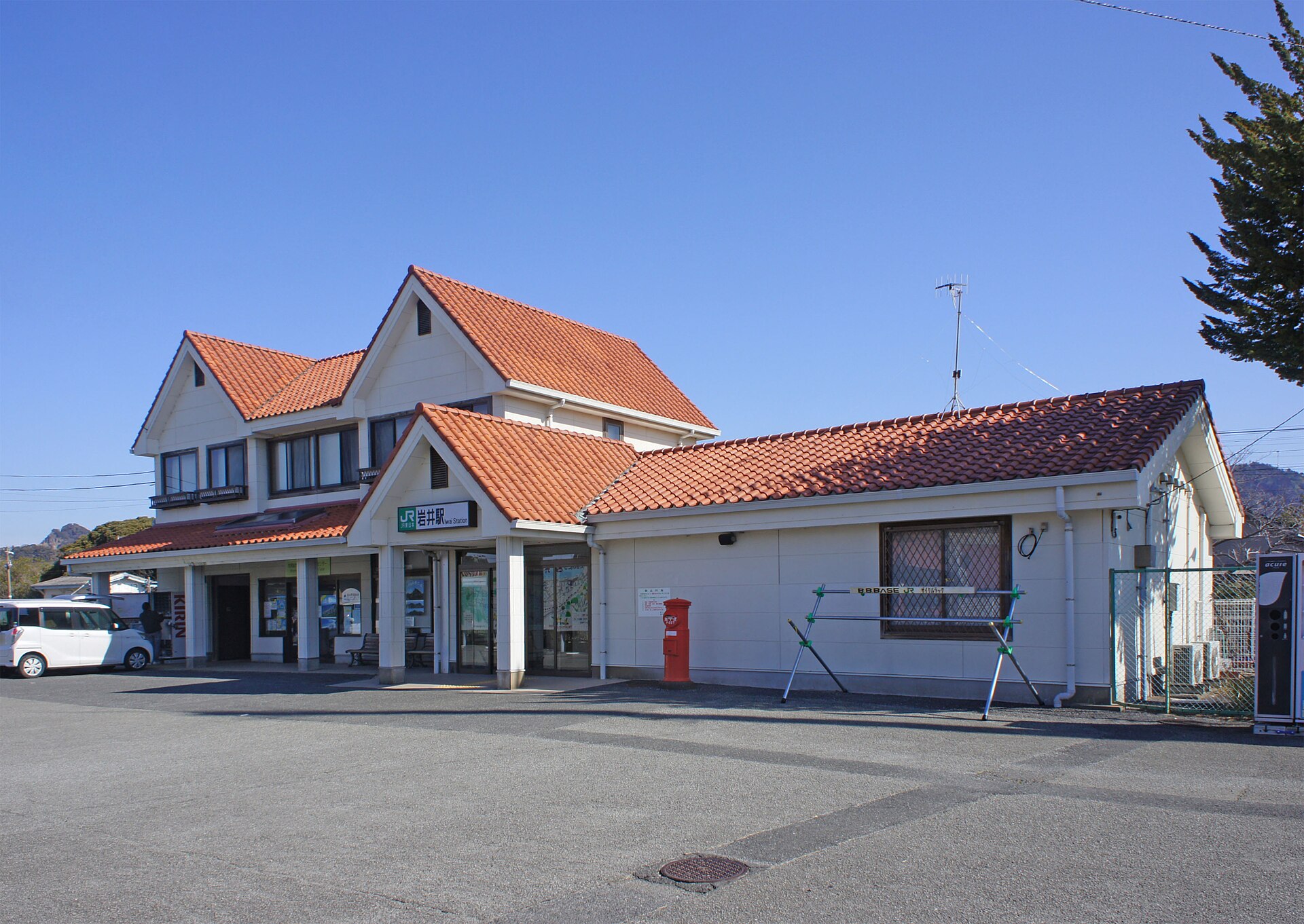
- Iwai Station forecourtThe small Uchibo Line station the hall stands in front of
- The hall entranceA Boshu uchiwa banner set beside the door on the days it is open
- The ground-floor workroomMakers binding ribs in the open rather than behind glass
- The window of a finished fanOne stem split into 48 to 64 ribs, bound into a half-round lattice
- Iwai beachA long curve of sand west of the square, worked with seine nets
How to actually get there
- From Tokyo Station take a Uchibo Line service toward Kimitsu, then change there for a local train to Iwai.
- Leave Iwai Station by its single west-side exit and stop in the forecourt.
- The hall faces the station square; look for the banner beside the door.
- For the beach, keep walking west from the square until the road meets the sand.
- JR Uchibo Line, changing at Kimitsu
- Tokyo Station →(Sobu Rapid services run through onto the Uchibo Line as far as Kimitsu)→ Kimitsu →(local train toward Tateyama or Awa-Kamogawa)→ Iwai. Allow about two and a half hours end to end. South of Kimitsu the service thins out to a handful of trains an hour, so note your connection before you leave rather than on the platform.
- Return from Iwai Station
- Take a northbound local to Kimitsu and change there for Tokyo. The southern half of the Uchibo Line runs thin in the evening, so read the return board when you arrive rather than after the hall has closed.
About the place
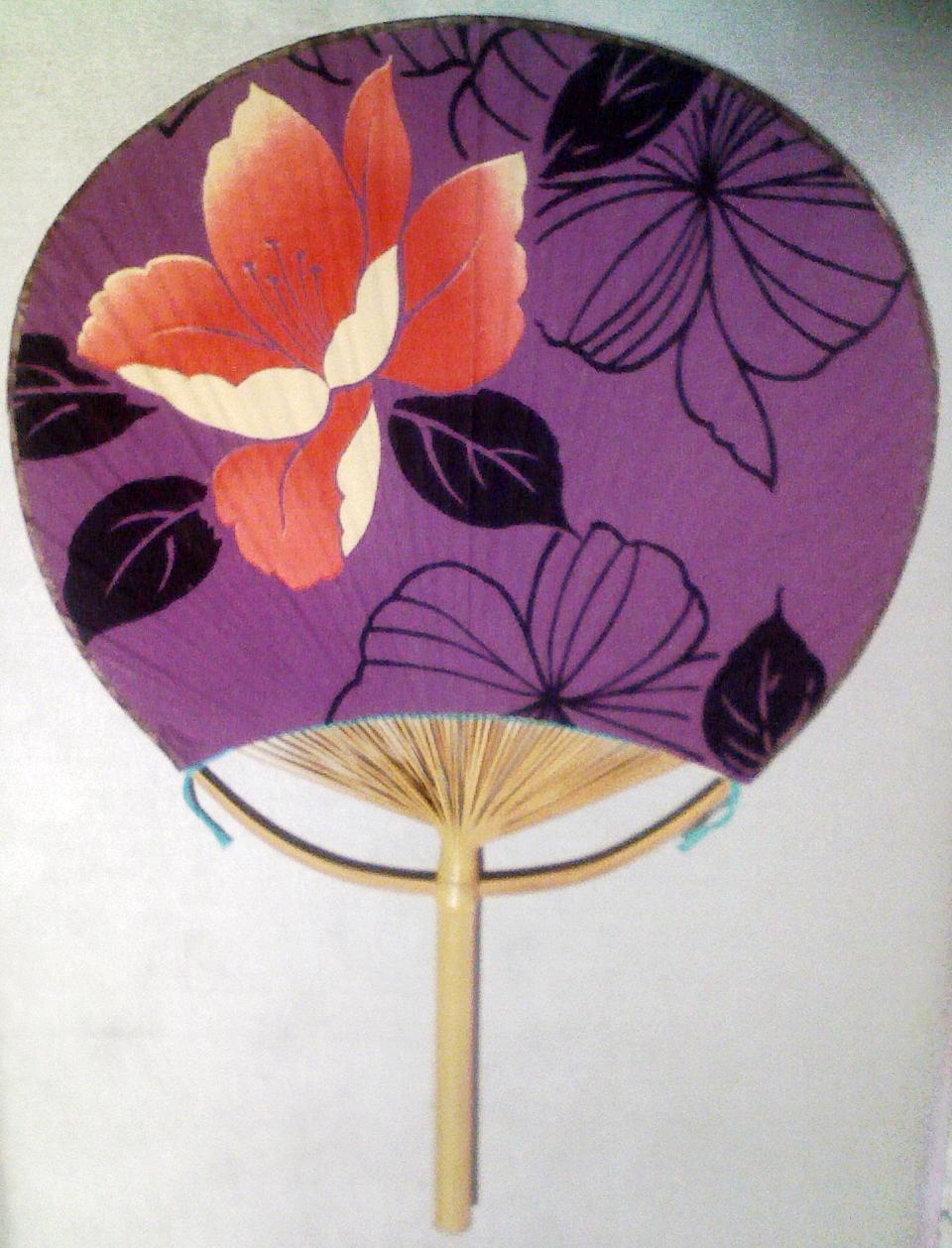
What separates a Boshu fan from the other two is the handle. Kyoto's fan sets a flat handle into a separate frame and Marugame's is flat throughout, while the Boshu maker leaves the bamboo round and splits the top of the same stem into fine ribs, so handle and frame are one piece. Twenty-one steps go into it. Because no single person carries out all of them, the work has always been shared between specialists — cutters, splitters, binders, pasters. That division is why the craft belongs to a district rather than to one workshop, and why a shared hall makes sense as its counter.
How to enjoy it
Come on a day the hall is staffed and the ground floor is a workroom rather than a shop, which is the whole reason to make the trip. Fans are a summer object, but the making goes on all year. Half an hour at the counter and a walk down to the sand fills a morning.
Background & history
Boshu sent bamboo to Edo long before it made anything from it. Fan-making itself is recorded as beginning in 1877 at Nako, in what is now Tateyama, and for years the peninsula produced only the ribs, which were finished in Tokyo and sold as Edo fans. The earthquake of 1923 changed that: the Nihonbashi wholesalers burned out and moved down to Funagata, close to the port and the bamboo, and the whole process settled here. In 2003 the fan became the first craft in Chiba to carry the national designation.
Before you go
- Cash
- Fans are sold at the hall, and what is on the shelf depends on what the makers have finished, so treat prices as something to ask about on the day. Bring cash; this is an association's counter rather than a shop. IC cards work at the station gates.
- Before you go
- The hall keeps to a small number of days each week and can close at short notice, so check the council's official page before planning a trip around it. Other makers in the district work by appointment. Nothing here depends on the weather.
- Another way
- If you are already in Tateyama, the Uchibo Line runs north to Iwai in a handful of stops, which folds the hall into a day on the southern coast. By car, Kyonan-Tomiyama is the nearest interchange on the Futtsu-Tateyama Road.
- After you get off
- Iwai Station has a single exit, on the west side. The hall stands on the station square itself, a minute from the ticket gate, and on an open day the banner by its door is visible from the platform stairs.