East Okayama · ImbeNo.410★★Open in map →
Bizen Ware
— Unglazed stoneware from one of Japan's six old kilns
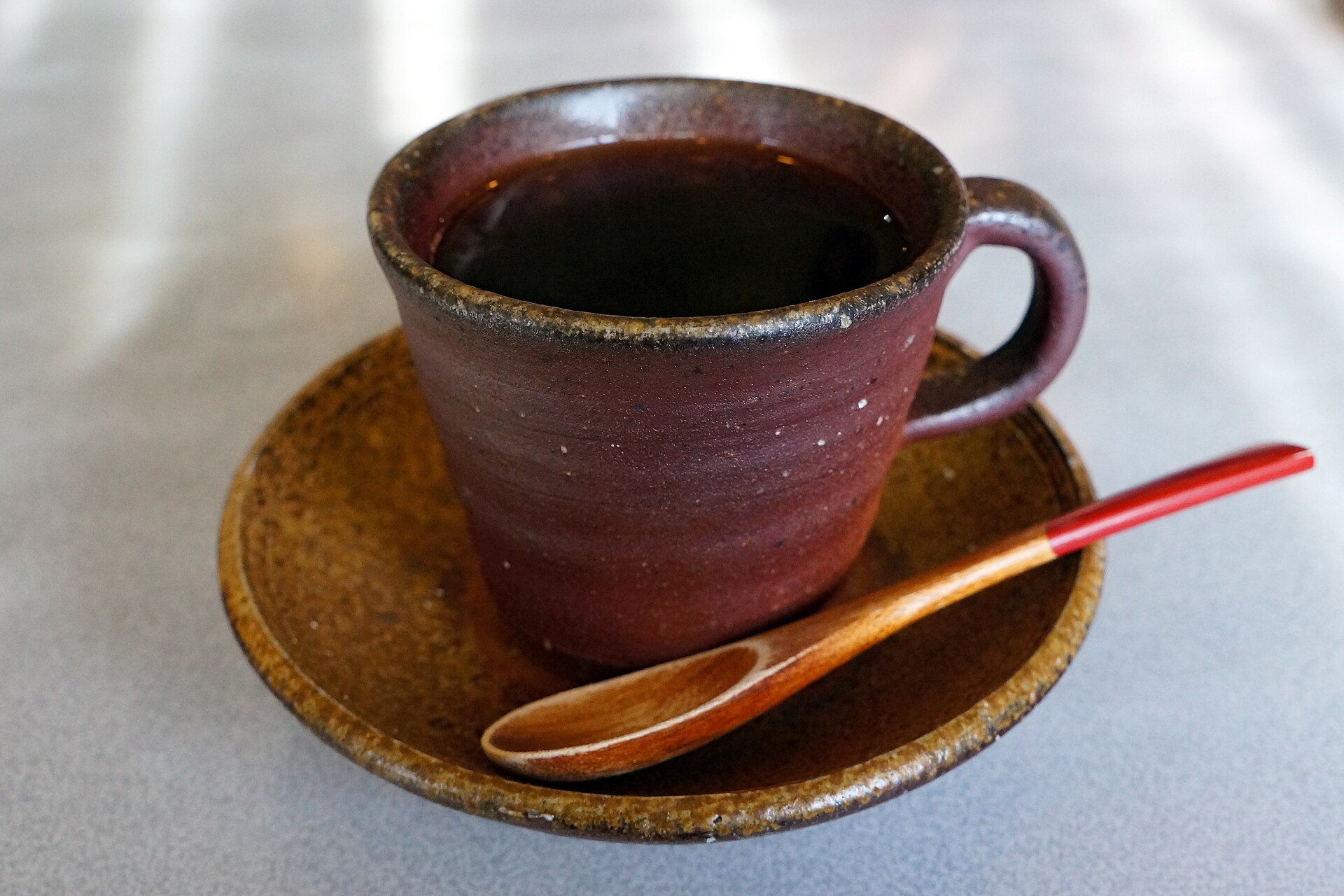
Unglazed stoneware fired for around two weeks without a drop of glaze, so the surface records only ash, straw and flame. Its kilns have stood at Imbe in eastern Okayama for centuries, and the town's gateway hall shares a roof with the station.
- FromOkayama Station
- ~40 minJR Ako Line, direct from Okayama
- Get off atImbe Station (JR Ako Line)
- On foot
- Bizen Ware
The sweet spot
Imbe is on the map and the ware is famous, so this is not an overlooked town. What is easy to miss is how compact it is. The kiln sites, the museum and the sales floor are all within a short walk of one small station, and on a weekday the street is quiet enough to look into workshops without feeling like a tour group.
Where it is
14 more notes in Okayama · open the map →What to look for — in walking order
- Bizen Pottery Traditional Industry Halla building shaped like a climbing kiln that also houses Imbe Station and the tourist information floor
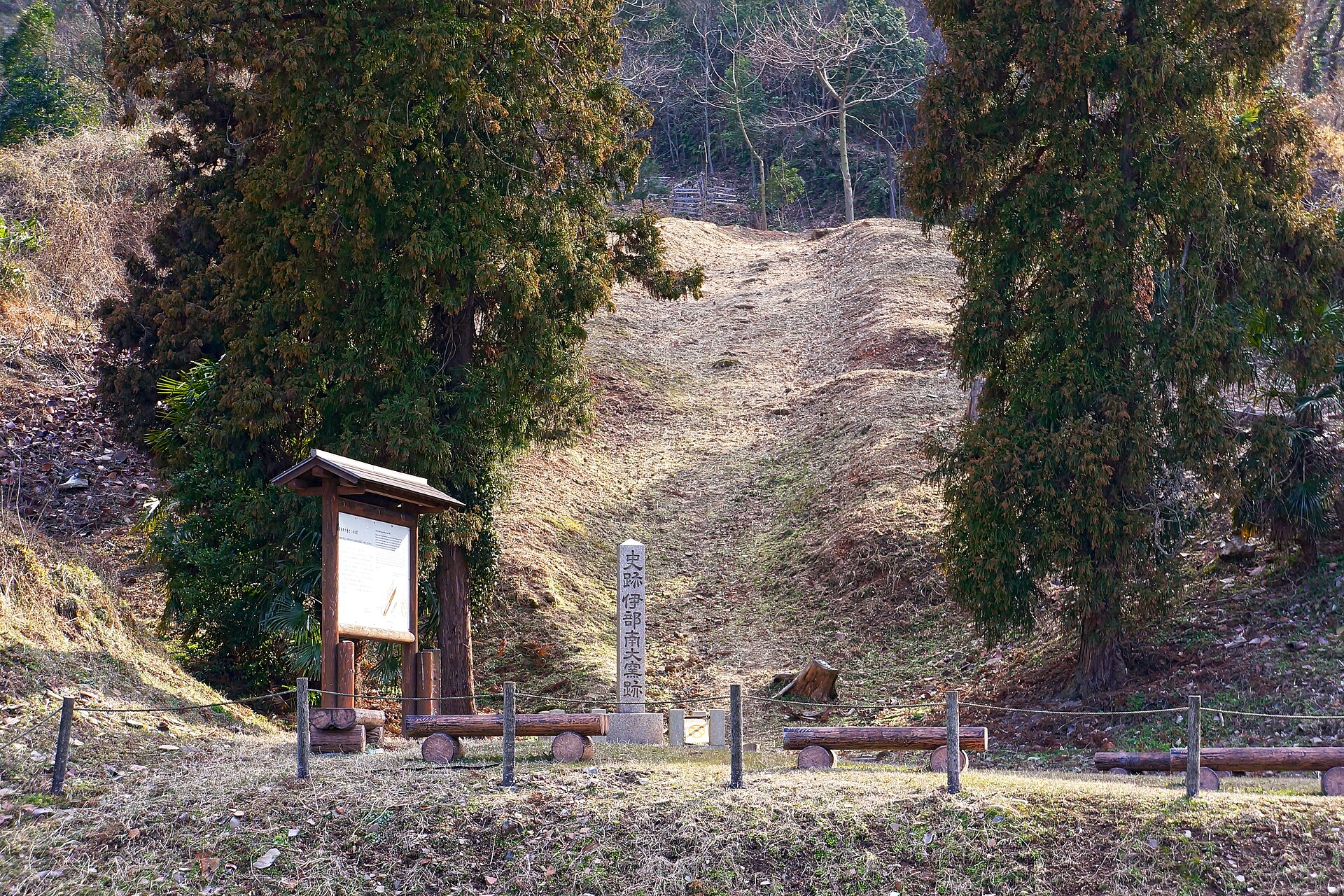
- Inbe Minami-Ogama kiln sitethree communal kilns at the foot of the hill about 5 minutes south, the largest running some 54 metres
- Bizen City Museum of Artthe former Bizen Pottery Museum, steps from the station, showing historic and contemporary work
- Inbe Kita-Ogama kiln sitethe northern communal kiln site, marked by a monument on the hillside about 15 minutes up the street
How to actually get there
- Okayama Station → Imbe Station (JR Ako Line, direct, about 40 minutes, 590 yen).
- Step off the platform into the Bizen Pottery Traditional Industry Hall, which occupies the same building.
- Walk about 5 minutes south to the Inbe Minami-Ogama kiln site at the foot of the hill, then come back through the town.
- Continue north along the main street past the museum and the workshops to the Inbe Kita-Ogama site, about 15 minutes out.
- JR Ako Line from Okayama
- Okayama Station →(JR Ako Line, direct, about 40 minutes, 590 yen)→ Imbe Station. All Ako Line services on this stretch run through to Okayama, so there is no change, but they are infrequent compared with the main line. Check the return departures before you leave the platform.
- Return from Imbe Station
- The same Ako Line trains run back to Okayama from the opposite platform. Imbe is an unstaffed station managed from Higashi-Okayama with a ticket machine rather than a window, so buy or top up before boarding. Uno Bus also runs from the Imbe Station stop toward Okayama Station.
About the place
Bizen potters use neither glaze nor painted decoration. The clay goes into the kiln bare and stays there above 1,200 degrees for around two weeks, and what comes out is marked by whatever happened inside: ash settling on a shoulder, straw wrapped round a pot leaving a red scar, one piece shielding another so a pale patch survives. The results carry their own names, goma for the ash, hidasuki for the straw lines, botamochi for the round shadows. All of it happens in Imbe, a small town at the foot of low hills where the workshops and galleries stand along one main street. The station itself sits in the ground floor of the potters' association hall, which is as direct an introduction as a craft town can offer.
How to enjoy it
The information floor opens at 9:30 and the museum at 9:00, closing at 17:00, so a morning arrival covers both before the workshops on the street get busy. Handle the pieces on sale if the shop lets you: the whole point of Bizen ware is a surface you read by touch as much as by eye, and no two pots from the same firing match. In autumn the Bizen ware festival fills the streets around the station.
Background & history
Bizen ware descends from sueki, the grey unglazed pottery of ancient Japan, and kiln building began in earnest at Imbe around the twelfth century. It was jars, storage pots and grinding bowls at first; by the late Muromachi and Momoyama periods it had been taken up for the tea ceremony, and the Edo period saw production organised under six potting families. Both of the great communal kiln sites here worked from the late Muromachi period to the end of the Edo period, and the east kiln of the southern site ran about 54 metres. It is one of the six old kilns recognised as a Japan Heritage story, and five Bizen potters have been named Living National Treasures.
Before you go
- Cash
- The tourist information floor is free to enter. The city art museum charges 500 yen for general admission, with the ground-floor exhibition room free. Individual workshops and galleries set their own terms, so carry cash.
- Before you go
- The association hall is being renovated, and its second-floor sales floor moved out on 1 April 2026 to the Furusato Koryu Center at the station's south exit, where it opens 10:00 to 17:00 and closes on Tuesdays. Work on the hall continues, so check before making the sales floor the reason for the trip.
- Another way
- By car it is about 15 minutes from the Bizen or Wake interchange on the Sanyo Expressway, with parking for cars and coaches at the hall. The kiln sites themselves are on foot only.
- After you get off
- There is no walk from the station to the first stop: the ticket gate opens into the ground floor of the association hall. The south exit leads to the temporary sales floor, and the kiln site lies a few minutes beyond it.