Saga · Karatsu ChinzeiNo.464★★Open in map →
Yobuko Squid
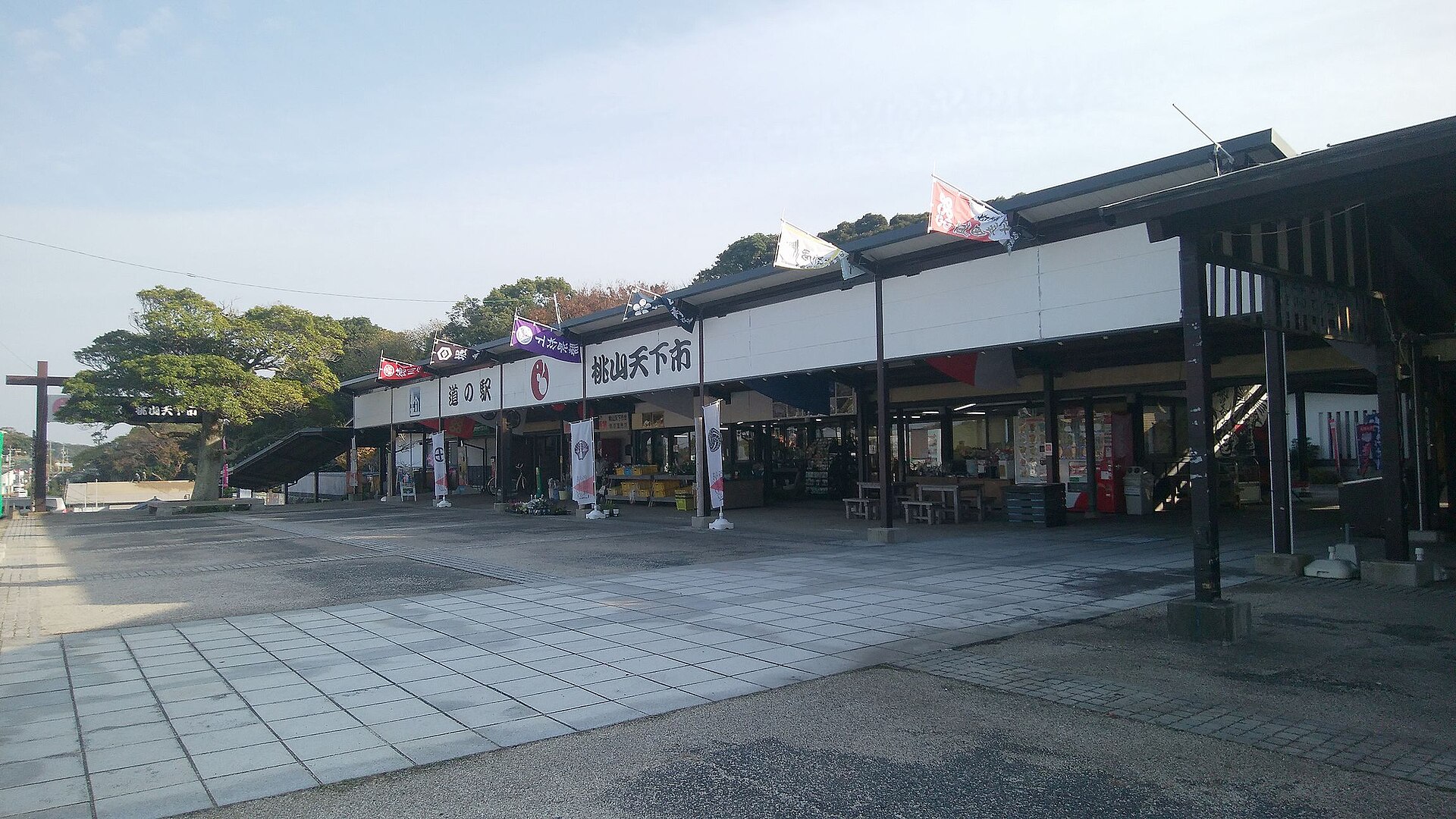
Squid landed at Yobuko is served straight out of the tank, and the species take the season in turns rather than peaking together. The roadside station on Route 204 is where the catch meets a public counter instead of a restaurant booking.
- FromKaratsu Station
- ~55 minShowa Bus, stop at the gate
- Get off atNagoyajo-Hakubutsukan-iriguchi bus stop (Showa Bus)
- From there
- Yobuko Squid
The sweet spot
None of this is a secret. Yobuko squid is a headline dish of Saga and the harbour's restaurant row appears on every prefectural itinerary. The roadside station changes the unit rather than the fame: you can look at what came in, buy the keepable version to carry away, and walk to a castle ruin within the same hour, all without booking a table.
Where it is
14 more notes in Saga · open the map →What to look for — in walking order
- Seafood direct-sales hallthe roadside station's fish counter, where the day's squid and other Genkai Sea landings are sold
- Products hall and demonstration standthe Tokimeki Saikan building, where ika shumai and other squid preparations are made up and sold
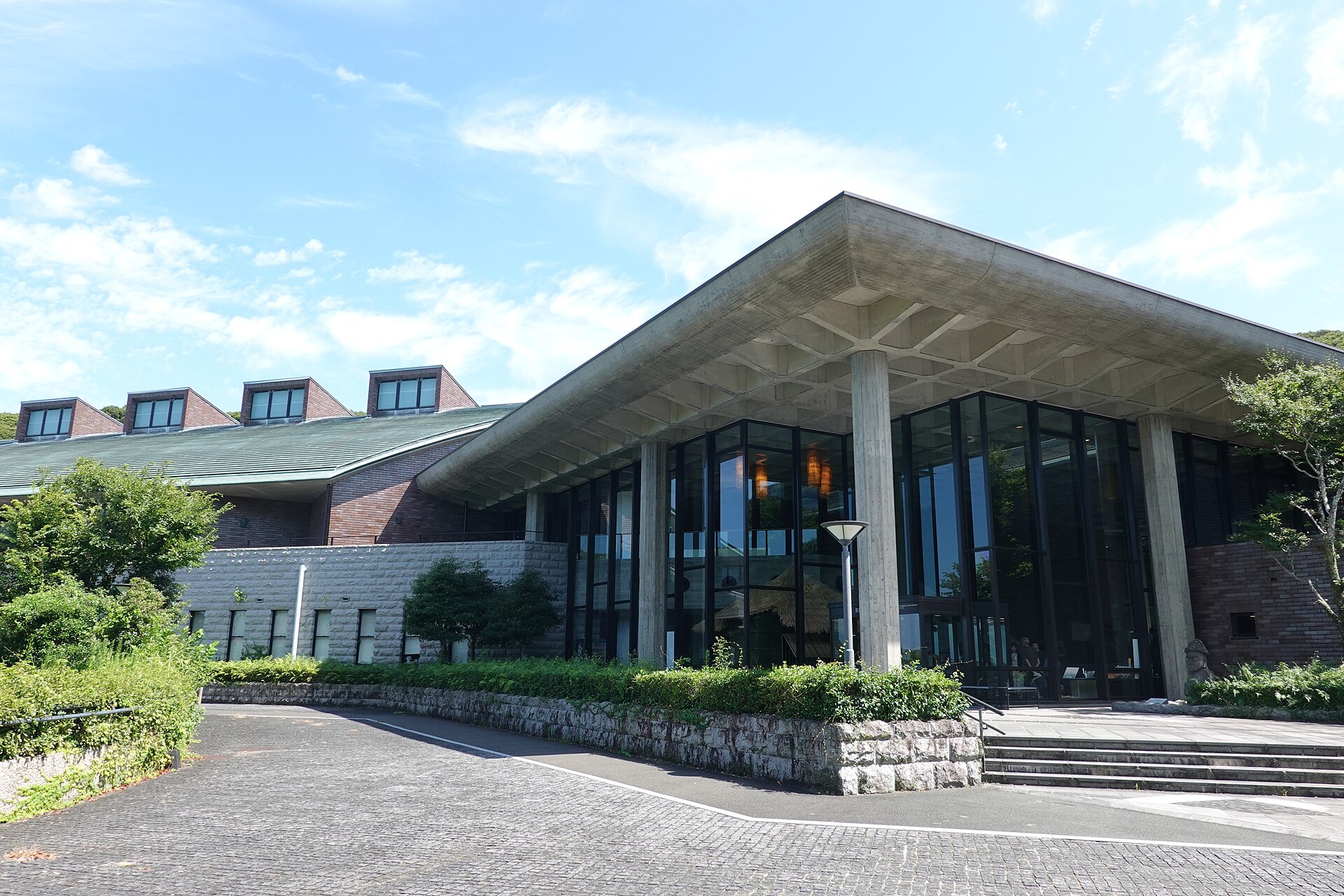
- Saga Prefectural Nagoya Castle Museuma free museum on the peninsula's long exchange with Korea, about five minutes on foot from the stop
- Nagoya Castle ruinsbroken stone walls and foundations on the headland behind the museum, with warlords' camp sites scattered around
How to actually get there
- JR Karatsu Station → Karatsu Oteguchi Bus Center (walk 5-8 min).
- Oteguchi → Nagoyajo-Hakubutsukan-iriguchi (Showa Bus, about 45 min).
- Michi-no-Eki Momoyama Tengaichi is at the stop: seafood hall first, then the products building.
- Walk about five minutes west to the Nagoya Castle Museum and on to the castle ruins.
- Showa Bus from Karatsu
- JR Karatsu Station → Karatsu Oteguchi Bus Center on foot (5-8 min, about 500 m), then Showa Bus for about 45 minutes to the Nagoyajo-Hakubutsukan-iriguchi stop. The roadside station is at the stop. Several route groups serve it, including the Nomoto-Nagoya and Minato-Hadomisaki services, and the Yobuko line with a change at Yobuko.
- Return from the same stop
- The return runs from the same roadside stop back to Oteguchi, and from there it is a short walk to JR Karatsu Station. Services on this peninsula are thin, so read the posted departure times before you go into the halls rather than after. Missing one here means a long wait rather than a short one.
About the place
Yobuko sits at the end of the Higashi-Matsuura peninsula, where the currents of the Genkai Sea run past the headland. Squid landed here is treated as a live ingredient rather than a stored one: the order goes in, a net comes out of the tank, and the fish reaches the plate still clear enough to read through. The legs go back to the kitchen and return as tempura or grilled, so one order is eaten twice. Several species carry the name in rotation through the year, with kensaki squid as the mainstay and aori, yari and cuttlefish taking their turns. Michi-no-Eki Momoyama Tengaichi, on Route 204, is where that catch is sold across a public counter.
How to enjoy it
Make it a midday stop. The produce stall opens earliest, the shops keep normal daytime hours, and the restaurant serves only over lunch, so an early afternoon arrival catches everything open at once. Which squid is in the case depends on the month rather than on luck, so ask what came in that morning instead of asking for a species by name. Pairing the counter with the castle ruins gives you the sea and the history of the headland in a single walk.
Background & history
The headland carries an older story. In 1591 Toyotomi Hideyoshi ordered a castle raised here as the forward base for his invasions of Korea, and he held court in it for more than a year while the country's warlords camped in the hills around. The castle was pulled down early in the Edo period and its stone walls broken up, so what survives is a ruin of foundations, walls and encampment sites rather than a building. A prefectural museum stands beside the ground, and the roadside station sits on the approach to it.
Before you go
- Cash
- The roadside station is free to enter and its car park is free. Goods are sold by weight and by the piece, and some counters may take cash only, so carry notes. Showa Bus fares are paid on board and vary by distance.
- Before you go
- Confirmed hours at the time of writing: the produce stall from 7:30, the shops 9:00 to 18:00, and the restaurant 11:00 to 15:00 with last orders an hour earlier. The whole site closes over the first three days of January, and individual halls keep their own weekly rest days, with the seafood hall listed as closed on Tuesdays.
- Another way
- By car the station sits directly on Route 204 with its own car park, which makes it the natural stop if you are driving out along the peninsula rather than riding the bus.
- After you get off
- The Nagoyajo-Hakubutsukan-iriguchi stop is on Route 204 immediately beside the station, so you step off the bus and walk in. For the museum and the castle ruins, keep going west from the stop for about five minutes.