Goshogawara · KanagiNo.1298★★Open in map →
Tsugaru Shamisen
— Live sets in Kanagi, the music's birthplace
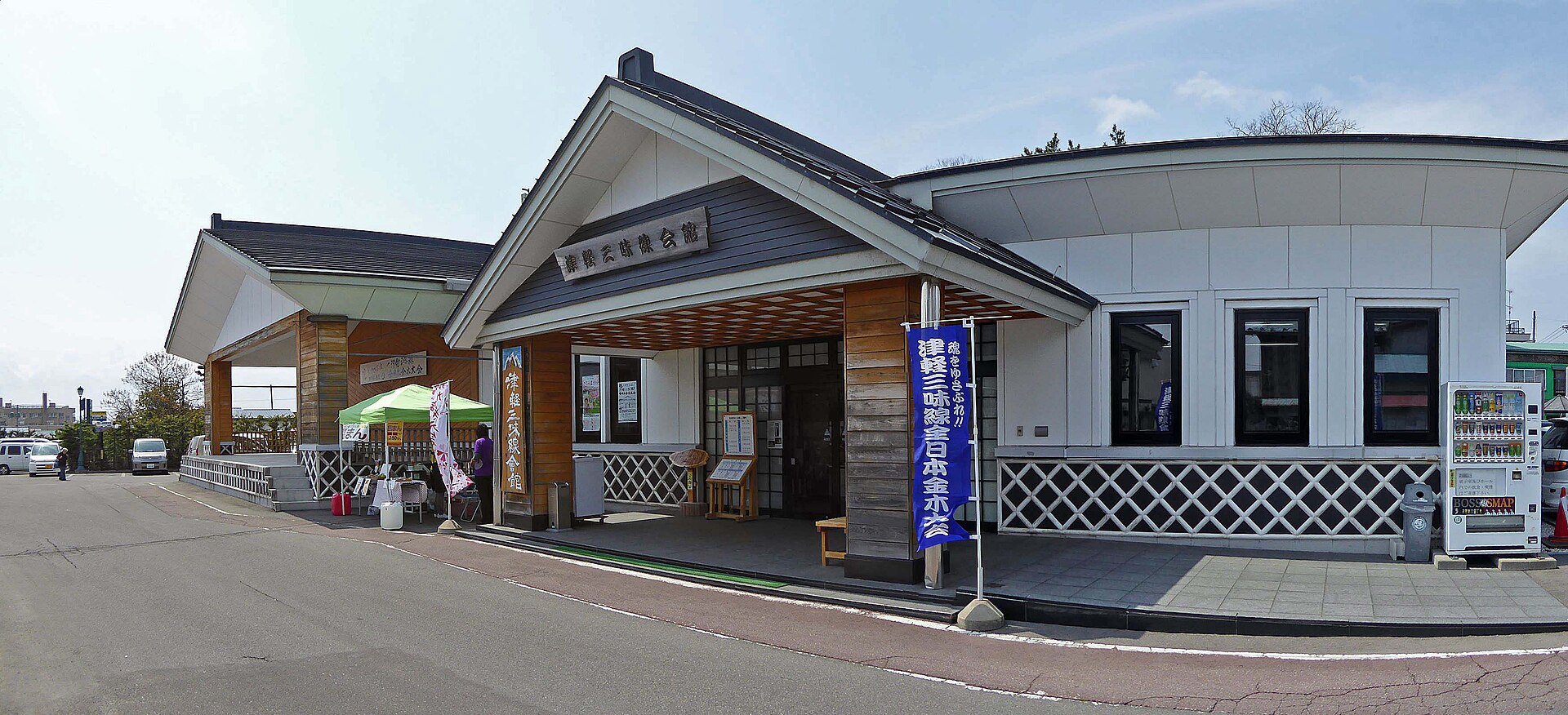
The hard-struck folk shamisen of Tsugaru, heard live in Kanagi, the town where its founder Nitabō was born. The city-run hall stages five short sets a day from April to November, with exhibits tracing the music's roots.
- FromGoshogawara Station
- ~30 minTsugaru Railway + 7-min walk
- Get off atKanagi Station (Tsugaru Railway)
- On foot
- Tsugaru Shamisen
The sweet spot
Tsugaru shamisen is famous across Japan, so this is not an undiscovered art. What visitors miss is where to hear it properly: the hall in Kanagi puts on short live sets through the day in the founder's home town, and Shayokan, Dazai Osamu's family home, is close by.
Where it is
34 more notes in Aomori · open the map →What to look for
- Kanagi Stationthe Tsugaru Railway's staffed station in Kanagi, where the short walk to the hall begins
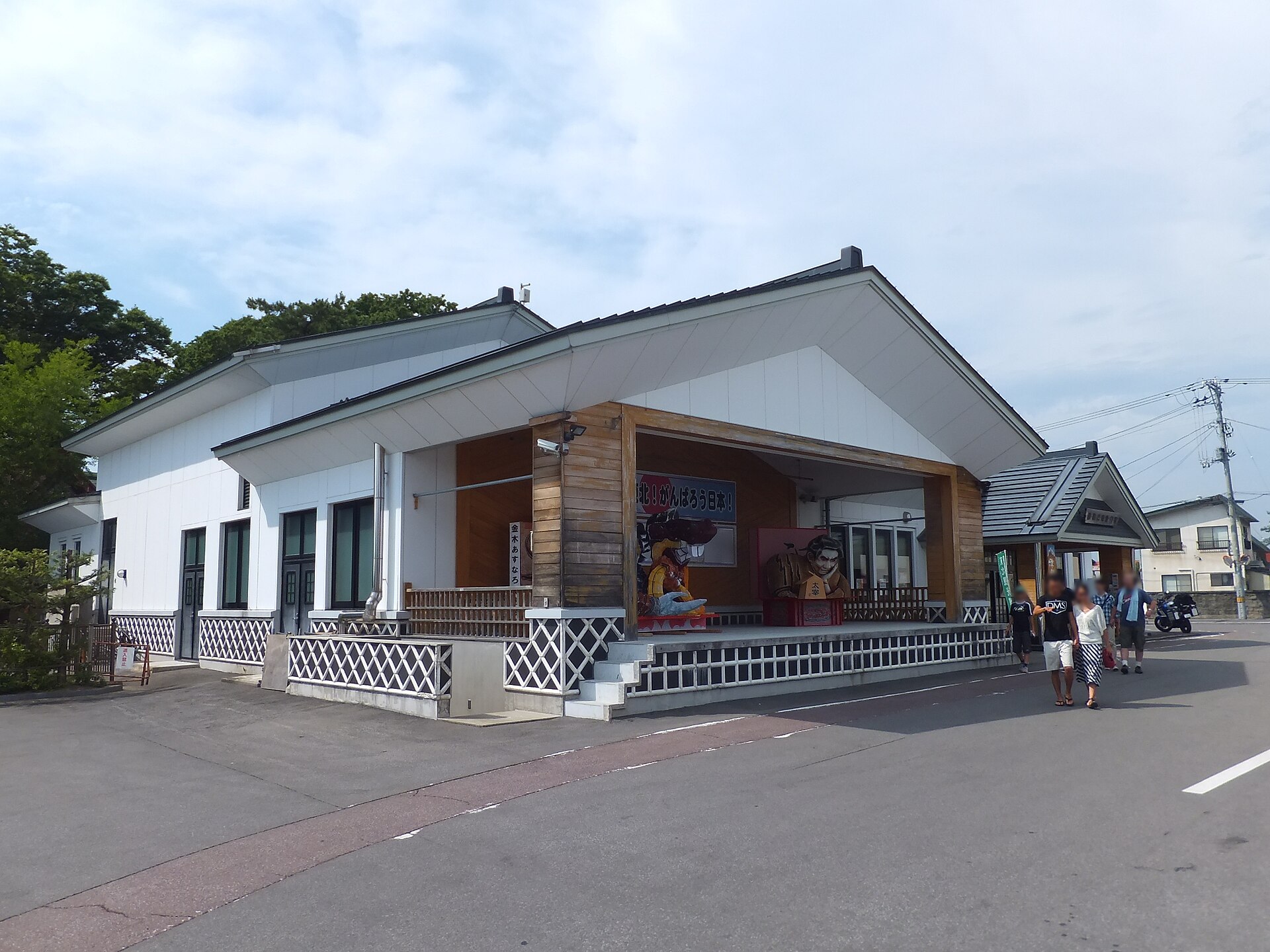
- Tsugaru Shamisen Kaikanthe city-run hall built to share the music's roots, with an outdoor stage on its grounds
- Multi-purpose hallthe stage for the daily live sets, which also screens a video on the story of Tsugaru shamisen
- Exhibition roomdisplays on the instrument's origins and history, Tsugaru folk song and local performing arts
- World string instruments cornerstring instruments from other countries, with a corner for hearing the shamisen's tones
How to actually get there
- Goshogawara Station (JR Gono Line) → walk to the adjoining Tsugaru-Goshogawara Station.
- Tsugaru-Goshogawara → Kanagi Station (Tsugaru Railway, about 20–27 min, 560 yen).
- Kanagi Station → Tsugaru Shamisen Kaikan (walk about 7 min).
- Catch a live set in the multi-purpose hall, then look round the exhibition room.
- JR to Goshogawara, then the Tsugaru Railway
- From Goshogawara Station (JR Gono Line), walk to the adjoining Tsugaru-Goshogawara Station and take the Tsugaru Railway to Kanagi Station, about 20–27 minutes depending on the train. Trains are infrequent, so check the Tsugaru Railway timetable before you set out. From Kanagi Station it is about 7 minutes on foot to the hall.
- Back to Goshogawara
- Take the Tsugaru Railway from Kanagi Station back toward Tsugaru-Goshogawara. On the current timetable the last train back leaves Kanagi at 18:57, so plan the return around it.
About the place
Tsugaru shamisen is played on a thick-necked shamisen, struck hard with the plectrum so the strings drum as much as they ring. It grew up in the Tsugaru region of Aomori, and the town of Kanagi, now part of Goshogawara, is where it began. The Tsugaru Shamisen Kaikan was built there to share those roots. It holds an exhibition room on the music's history, folk song and local performing arts, a multi-purpose hall for stage performances, and an outdoor stage. Players raised in Tsugaru perform in the hall every day of the season. A corner of string instruments from around the world lets you set the shamisen's sound beside theirs.
How to enjoy it
Plan around the five live sets, at 10:00, 11:00, 13:00, 14:00 and 15:00, each about 20 minutes. Arrive a little early to look round the exhibition room before taking a seat in the hall. A hands-on lesson with a professional player can be booked in advance for a fee. Shayokan is close by if you want to pair the two in one half-day.
Background & history
The music traces back to Nitabō, born in Kanagi in 1857. He lost his sight as a boy and lived as a bosama, a blind musician who played at the gates of houses for gifts. In 1878 he took up the thick-necked shamisen and, as an art to survive by, developed the striking technique that defines the style. Disciples such as Kase no Momo and the master Shirakawa Gunpachirō laid the foundations of Tsugaru shamisen. Nitabō died in 1928. The Kaikan opened in Kanagi in 2000 to pass on the music's origins.
Before you go
- Cash
- Goshogawara City lists admission to the hall at 600 yen for adults, and a combined ticket with Shayokan is also sold. The Tsugaru Railway fare table lists 560 yen from Tsugaru-Goshogawara to Kanagi.
- Before you go
- The hall closes for winter, from 1 December to 31 March, and the live sets run only in the open season. Winter visitors riding the Tsugaru Railway's Stove Train will find the hall shut.
- Another way
- By car, the hall has a free car park for about 50 cars. Konan Bus also runs a Goshogawara–Kodomari route with a Shayokan-mae stop near the hall.
- After you get off
- From Kanagi Station it is about 7 minutes on foot to the Tsugaru Shamisen Kaikan. Shayokan, Dazai Osamu's family home, is close by.