Okinawa · Naha TsuboyaNo.694★★Open in map →
Tsuboya Yachimun Street
— Naha's pottery lane of kilns and workshops
A stone-paved lane in central Naha where the Ryukyu court gathered the kingdom's kilns and the potters never left. Workshops, their own shops and a city museum line it, a few minutes on from the covered arcades behind Kokusai-dori.
- FromNaha Airport Station
- ~30 minYui Rail monorail + 10 min walk
- Get off atMakishi Station (Yui Rail monorail)
- On foot
- Tsuboya Yachimun Street
The sweet spot
This is not a hidden street. It is on the standard Naha walking route and busy through the afternoon. What is easy to miss is that many of the shops here belong to the kilns behind them, so you are buying from the people who fired the piece — and that the museum at the western end explains what you are looking at before you start reading price tags.
Where it is
41 more notes in Okinawa · open the map →What to look for — in walking order
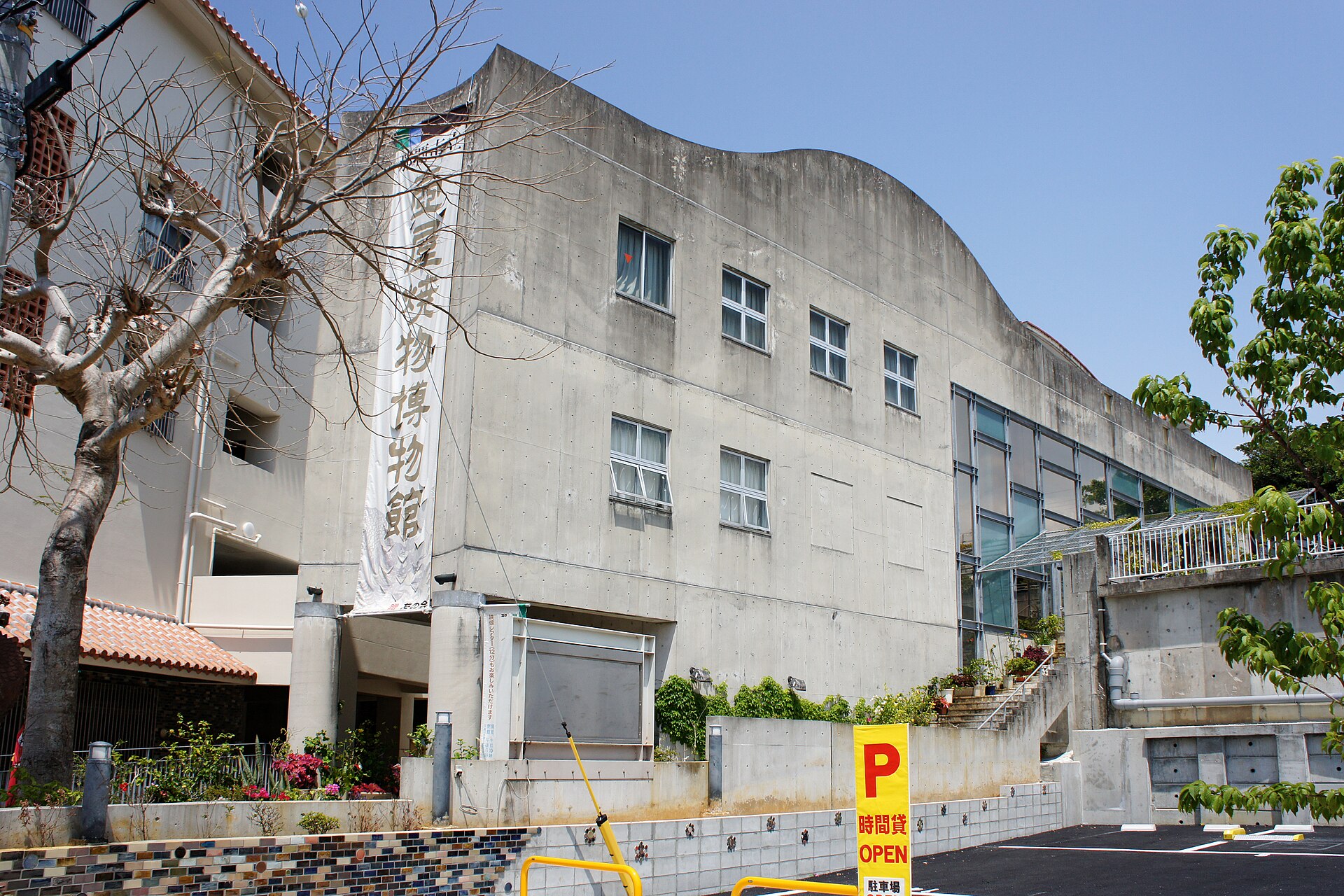
- Naha City Tsuboya Pottery Museumthe city museum at the western end of the lane, covering the quarter's history and its wares
- The old climbing kilna stepped kiln of the traditional type, of the kind used for firing unglazed arayachi, standing beside the museum
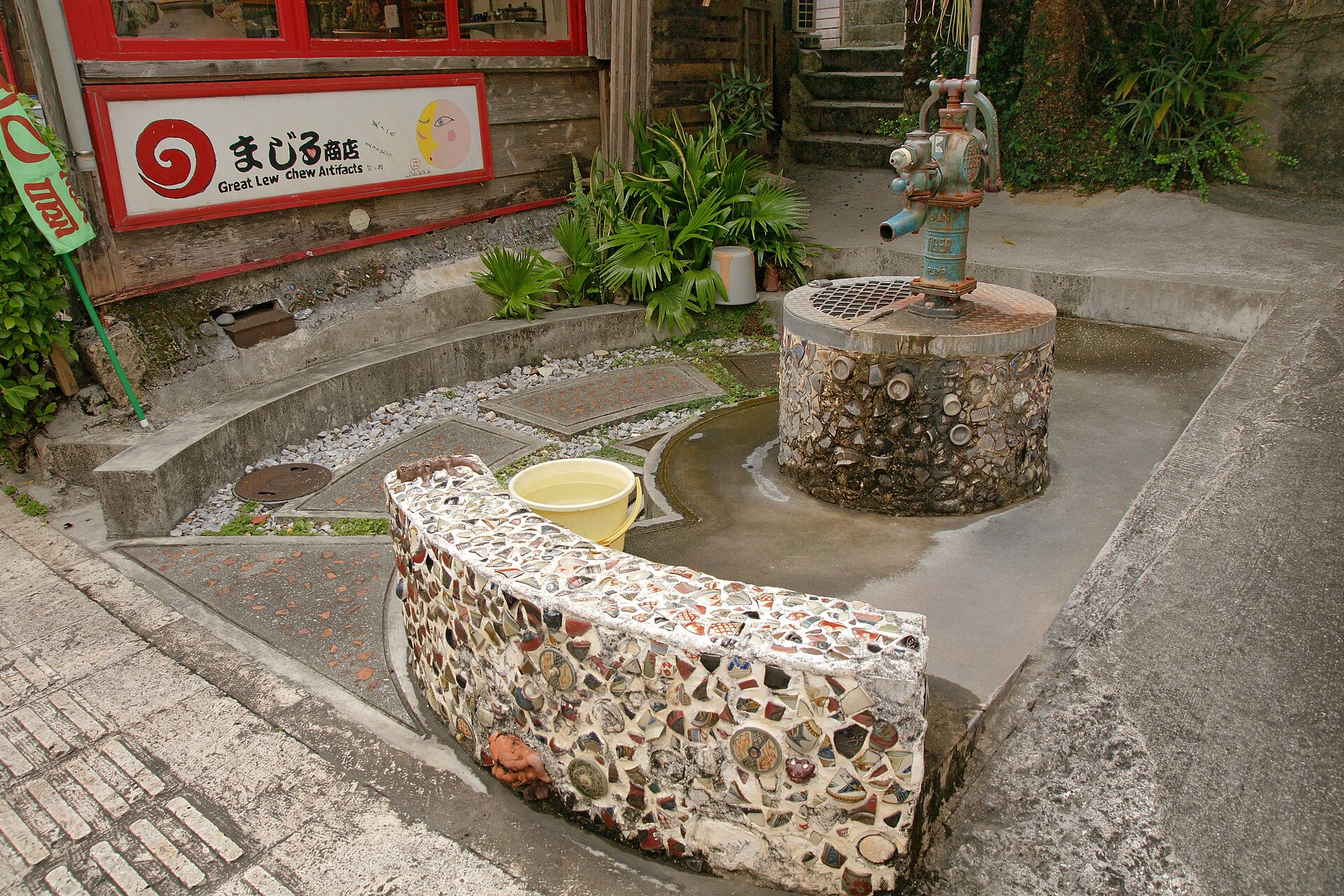
- The stone-paved laneRyukyuan limestone underfoot, coral-block walls and red-tiled roof lines running the length of the street
- The workshops and their shopskilns selling their own firings, along with galleries, opening straight onto the paving
- Tsuboya Yachimun-dori Plazaa small open rest space the city laid out about halfway along the lane
How to actually get there
- Naha Airport Station → Makishi Station (Yui Rail monorail, 16 min, 320 yen).
- Makishi Station → Naha City Tsuboya Pottery Museum (walk 10 to 15 min via Kokusai-dori and the covered arcades).
- Look through the museum and the climbing kiln beside it, then walk east along the paved lane.
- Leave at the eastern end and walk back to Makishi Station, or on to Asato Station.
- Yui Rail monorail from Naha Airport, then a walk
- Naha Airport Station →(Yui Rail monorail, 16 min)→ Makishi Station, fare 320 yen. From Makishi it is a walk of roughly 10 to 15 minutes south, through Kokusai-dori and the covered arcades behind it. About 30 minutes in total from the airport, and the monorail runs often enough that no timetable planning is needed.
- Return from Makishi or Asato Station
- Makishi Station takes you back to the airport on the same monorail line with no transfer. Asato Station is a similar walk from the eastern end of the lane, which is the easier exit if you finish that way. Trains run through the evening; check the platform timetable if you stay late.
About the place
Yachimun is the Okinawan word for pottery, and Tsuboya is where it is still made. Two kinds are fired here. Arayachi is unglazed and hard-burned, the dark heavy ware that once held water and awamori. Joyachi is slipped, painted and glazed, and its signature mark is a fish drawn in a few loose strokes. The lane runs on Ryukyuan limestone, walled with coral block and topped with red tile. Workshops open directly onto it, and so do the shops that sell their own firings, the galleries, and a city museum at the western end with a climbing kiln standing beside it.
How to enjoy it
Come between mid-morning and late afternoon, when most of the workshops and the museum have their doors open; the lane itself is a public street and can be walked at any hour. Start at the museum end so you have the history before the shelves, then work east along the paving. It follows on naturally from the market arcades, which finish only a few minutes short of the lane.
Background & history
In 1682 the Ryukyu court gathered three scattered kiln sites onto this hillside and made a single pottery quarter of them. It has been a working one ever since. When the Battle of Okinawa destroyed most of Naha in 1945, Tsuboya, set back from the port, came through comparatively intact, and potters were among the first people allowed back into the ruined city. They made bowls and cups before anything decorative, and the quarter became one of the places Naha restarted from.
Before you go
- Cash
- Walking the lane costs nothing. The city museum charges a separate admission. Yui Rail accepts OKICA and nationally interoperable IC cards such as Suica, as well as cash. Shops set their own payment terms, so carry some cash.
- Before you go
- The paving is Ryukyuan limestone and gets slippery in rain. The lane also carries one-way traffic, so watch for cars while you are looking at the windows. Workshops, shops and the museum each keep their own days and hours, so an afternoon finds more doors open than an early start.
- Another way
- A bus stops on the lane itself: the Tsuboya stop is about a minute's walk, served by routes 17, 30, 31, 55 and 112. From the north-east you can also walk in from Asato Station.
- After you get off
- From Makishi Station, walk south down Kokusai-dori and turn into the covered arcade behind it. Stay under the roof; where the arcade ends, the limestone paving of Yachimun Street begins, and the city museum stands at that western end.