Gifu · SekiNo.1108★★Open in map →
Seki Cutlery
— Japan's knife town, on one short street
Seki has forged blades since the Kamakura period, and the town's cutlery quarter is unusually compact: a hall selling the makers' output, a sword museum and the smiths' own shrine, all within a few minutes of one small country station.
- FromNagoya Station
- ~1 hr 30 minNagaragawa Railway, sparse midday
- Get off atSekiterasu-mae Station (Nagaragawa Railway)
- On foot
- Seki Cutlery
The sweet spot
This is not a hidden place. It is simply off the foreign itinerary: travellers heading north for Gujo-Hachiman or Takayama take the expressway past Seki or ride straight through it, and the hall fills up on domestic shopping weekends rather than at sightseeing peaks.
Where it is
18 more notes in Gifu · open the map →What to look for — in walking order
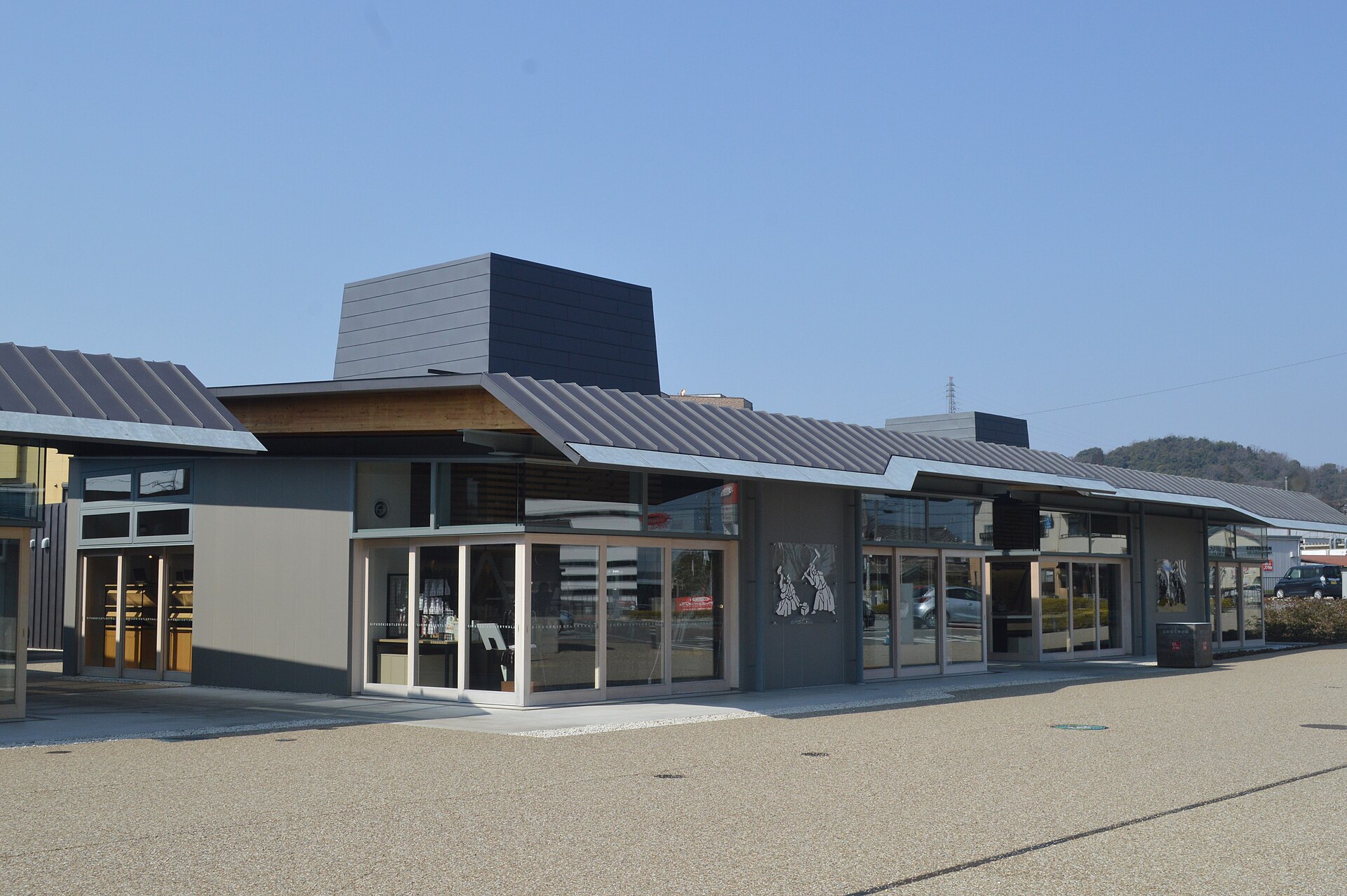
- Gifu Seki Cutlery Hallabout 2,000 blades from the city's makers, from kitchen knives to scissors and nail clippers
- Tetsukuribathe blade workshop room in the same complex, where knives are re-ground and sharpening sessions are run
- Seki Sword Tradition Museumthe city's sword museum with a forging hall attached, a few minutes east and closed for refurbishment this season
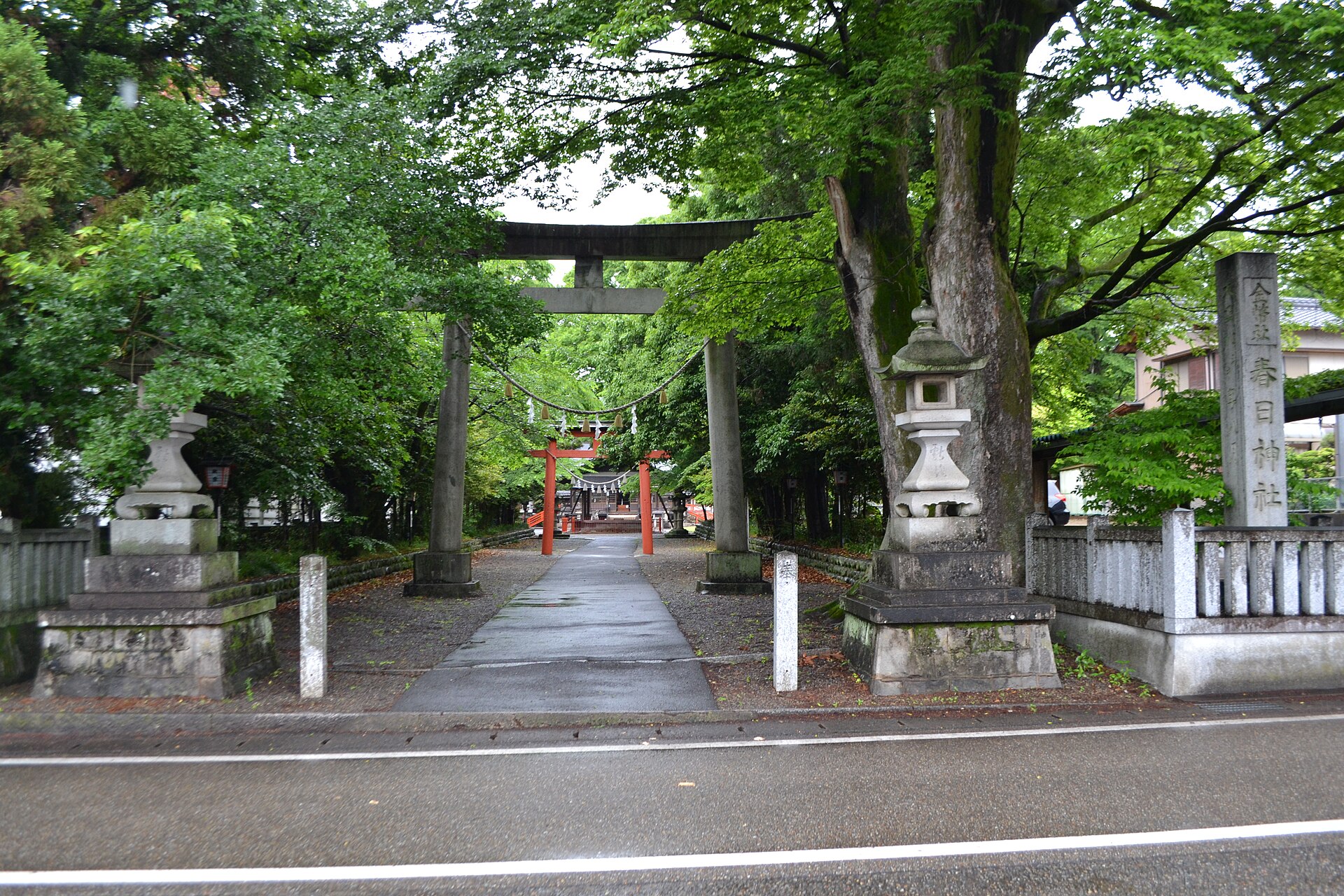
- Kasuga Shrineguardian shrine of the Seki smiths, with a cypress-bark noh stage and 63 noh costumes designated an Important Cultural Property
How to actually get there
- Nagoya Station → Mino-Ota Station (JR Takayama Line, about 40 min).
- Mino-Ota Station → Sekiterasu-mae Station (Nagaragawa Railway, about 20 min, 470 yen, paid to the driver).
- Sekiterasu-mae Station → Sekiterrace (walk about 3 min southeast).
- Sekiterrace → Seki Sword Tradition Museum → Kasuga Shrine (walk east along the same road).
- JR to Mino-Ota, then the Nagaragawa Railway
- Nagoya Station →(JR Takayama Line, about 40 min)→ Mino-Ota Station, then change to the Nagaragawa Railway and ride about 20 min to Sekiterasu-mae. The local leg is 470 yen. The connection is the variable part: if it lands in the middle of the day, the wait can be longer than either train ride.
- Back from Sekiterasu-mae
- Return the way you came and change at Mino-Ota for the JR line to Nagoya. Departures toward Mino-Ota also thin out through the middle of the day, and the last one leaves well before midnight. Photograph the platform timetable when you arrive rather than trusting a search made that morning.
About the place
Seki sits on the Nagara River in central Gifu, and it is named alongside Solingen in Germany and Sheffield in England as one of the world's great cutlery towns. On the ground that means a working industrial city, not a preserved streetscape. The visitor's entrance is Sekiterrace, a municipal complex beside the Nagaragawa Railway that gathers a cutlery hall, a tourist counter, a blade workshop and an open lawn under one roof. The hall is what most people come for. It is a shop rather than an exhibit, and the blades on its shelves are made by companies in this city. Two more doors stand a short walk east along the same road.
How to enjoy it
Sekiterrace keeps 9:00 to 17:00, which makes a late-morning arrival the easiest shape for the day: work through the hall first, then walk east to the shrine while there is still light on the noh stage. Trains up the valley cluster around the morning and evening, so read the return timetable at the station before you walk away from it.
Background & history
Swordsmiths gathered here in the Kamakura period, drawn by charcoal off the Hida mountains, clay suited to the hardening slip, clean water, and two rivers to ship the work out on. In 1288 they sent for the Kasuga deity of Nara and made it the guardian of the Seki smiths, founding the shrine that still stands at the east end of the quarter. The Muromachi workshops produced Magoroku Kanemoto and Kanesada, names still carried by kitchen knives today. The tourist entrance to all of it, Sekiterrace, opened in 2021.
Before you go
- Cash
- The Nagaragawa Railway runs one-man trains: take a numbered ticket as you board and hand the fare to the driver as you step off. A change machine is on board, and the operator's guide also lists PayPay and touch payments. The shrine grounds cost nothing. The cutlery hall is a shop rather than a museum, so bring cash or a card for whatever you buy.
- Before you go
- The Seki Sword Tradition Museum is shut for refurbishment from 7 September 2026 until 31 March 2027. The city's notice says the forging hall attached to it should stay usable through the works, but may be unavailable depending on how they progress. The two official listings for Sekiterrace also disagree on rest days — the city page gives Tuesdays and the day after a public holiday, the cutlery hall's own listing gives only the new-year break — so confirm before you travel rather than picking a weekday and hoping.
- Another way
- Buses are the other way in. Seki City's own guide gives about 1 hour 20 minutes on the direct highway bus from Nagoya, and about 50 minutes on the Gifu Bus Gifu–Seki line from Gifu. Both set you down at road stops rather than at the railway station, so work out the last stretch on arrival.
- After you get off
- From Sekiterasu-mae Station, walk southeast about 3 minutes. Sekiterrace is the long, low building set back behind an open lawn, and the cutlery hall is inside it.