Central Gifu · MinoNo.763★★Open in map →
Mino Udatsu Townscape
— Merchant firewalls raised on the paper trade
Two parallel streets of merchant houses in central Gifu, kept for the raised firewalls at the ends of their roofs. Udatsu were expensive, so they doubled as a display of wealth, and the wealth here came from handmade paper.
- FromMino-shi Station (Nagaragawa Railway Etsumi-Nan Line)
- ~15 minNagaragawa Railway, then a walk
- Mino Udatsu Townscape
The sweet spot
Gifu's preserved districts are not short of competition. Takayama's Sanmachi and the thatched village of Shirakawa-go sit on the same national register and take almost all the traffic, and Mino lies on the way to neither. It is also a stop on a small private railway rather than on a main line, which is enough on its own to keep it off most plans. The street is not quiet because nobody has found it; it is quiet because it is a detour.
Where it is
18 more notes in Gifu · open the map →What to look for — in walking order
- Ichiban-machi streetthe main axis of the preserved district, udatsu on both sides for its whole length
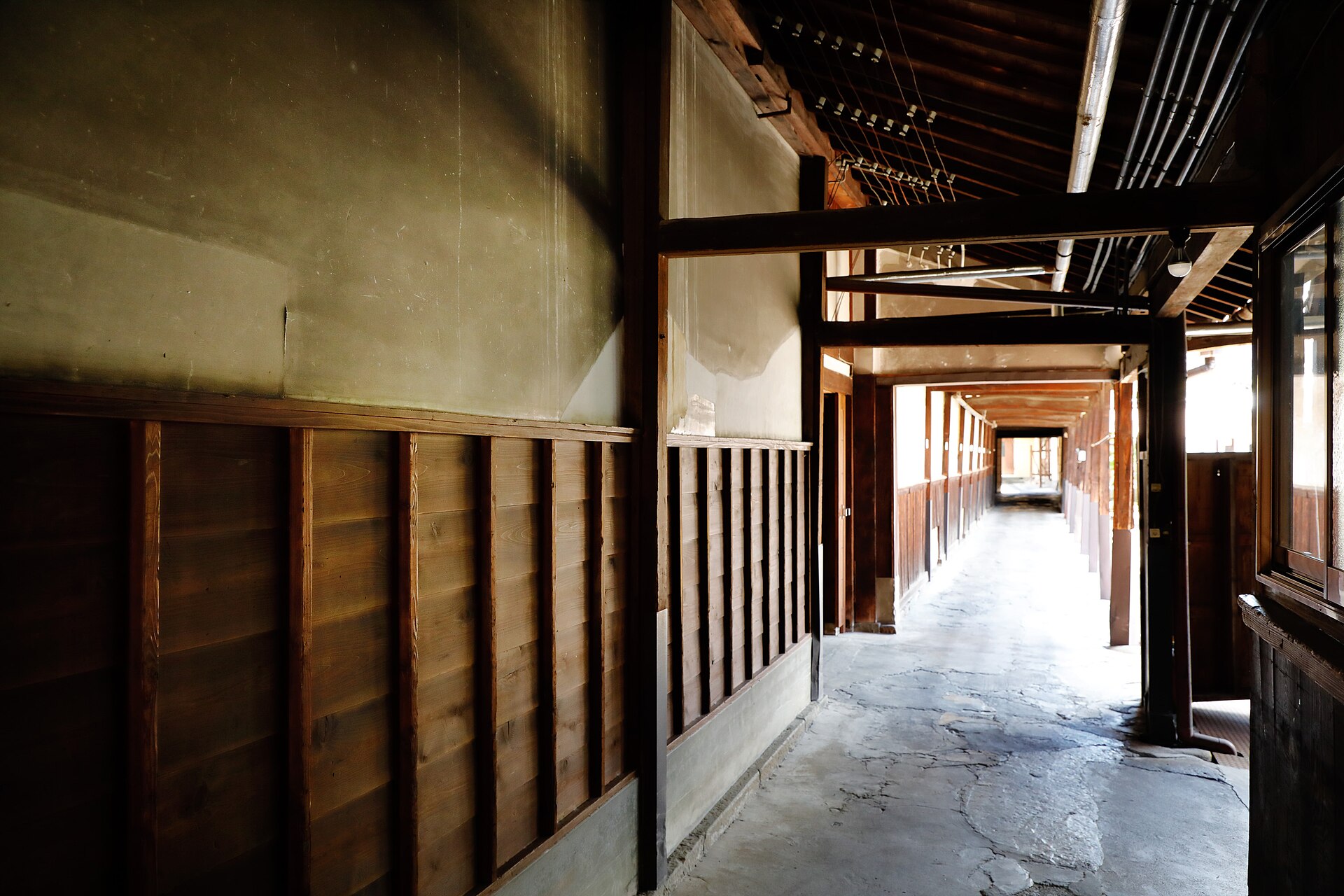
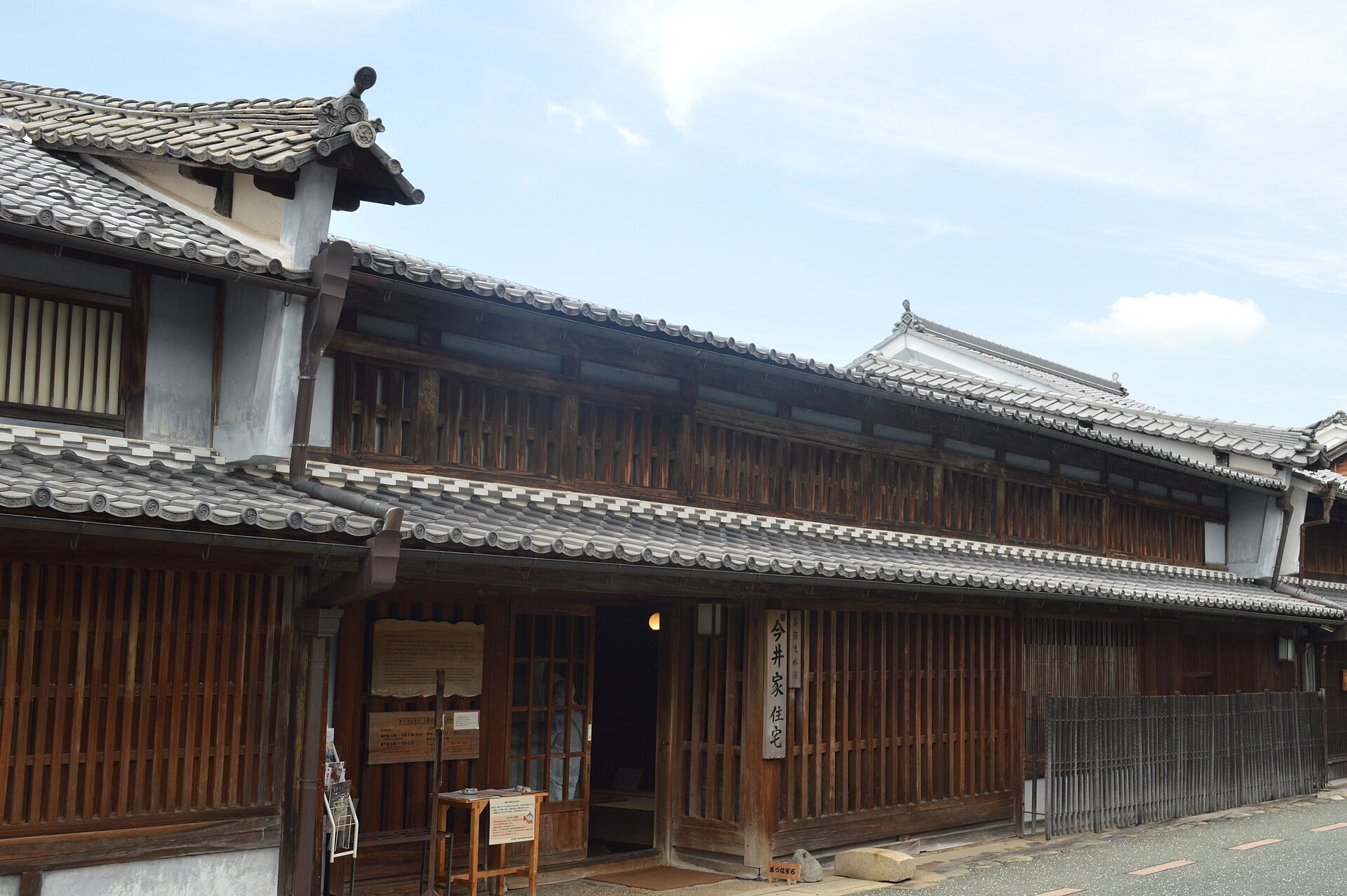
- Former Imai Housethe largest merchant house in the district, a paper wholesaler, with the oldest form of udatsu eaves ornament and a water-koto in its garden
- Kosaka Housea sake brewery designated a national Important Cultural Property, its whole roof curved into a convex mukuri
- Niban-machi streetthe parallel street one block over, joined to the first by four cross-lanes
- Ogura Parkthe wooded hill at the west edge of town, site of the castle the town was laid out below
How to actually get there
- Mino-Ota Station (JR Takayama Main Line) → Nagaragawa Railway → Mino-shi Station.
- Walk north into town, 10 to 15 min, to the start of Ichiban-machi.
- Walk Ichiban-machi end to end with your head up, stopping at the Former Imai House and the Kosaka brewery.
- Cut through one of the four cross-lanes to Niban-machi, walk it back, then carry on west to Ogura Park before returning to the station.
- Nagaragawa Railway from Mino-Ota
- Mino-shi is a station on the Nagaragawa Railway Etsumi-Nan Line, which begins at Mino-Ota on the JR Takayama Main Line and runs 17.7 km up the valley to Mino-shi, with one or two trains an hour on that stretch. From the station the preserved district is 10 to 15 minutes on foot, north through the town.
- Return from Mino-shi Station
- Walk back south to the station and take the line down to Mino-Ota, where it meets the JR Takayama Main Line for Nagoya or Gifu. This is one private line rather than a network, so the connection at Mino-Ota is what sets your last usable departure; check both timetables together before you start on the second street.
About the place
The preserved quarter covers about 9.3 hectares, set out as two parallel streets, Ichiban-machi and Niban-machi, tied together by four cross-lanes into a grid the town describes as the shape of the character for eye. What you look at here is the roof-line rather than the shopfront. At each end of a merchant roof a section of wall is carried up above the tiles and capped with its own small roof: that is an udatsu. It was built to break a fire's run between houses, and because it cost money to build, it also announced that the household had money. Walk with your head up.
How to enjoy it
Give the district both streets rather than one: the udatsu differ house by house, and the comparison is the whole reason to come. Late in the afternoon the sun runs along the street rather than over it, which throws the raised walls into relief, while midday flattens them. If the houses open as museums matter to you, take those in the middle of the day and keep the walking for either end of it.
Background & history
Kanamori Nagachika, lord of Takayama, built Ogurayama Castle beside the Nagara River after Sekigahara in 1600, and the town below it was laid out as his castle town. Paper made it rich: Mino washi went out along the river, and the merchant houses that handled it are the ones carrying the largest udatsu. The castle was abandoned within a generation, but the street plan and the roofs stayed. The country selected the district for preservation in 1999, under the category reserved for merchant towns.
Before you go
- Cash
- The streets cost nothing to walk. The houses open as museums charge their own admission and keep their own hours, and the shops are small family businesses, so carry cash as well as a card.
- Before you go
- The district is outdoors and can be walked at any hour, but the buildings are houses, shops and museums with their own closing days, so a particular house may be shut while its neighbour is open. The thing you came for, the roof-line, does not close.
- Another way
- By car the district is a short run from Mino IC on Route 156, and there is a public car park at the tourist plaza with coach bays as well. It is not free all day, so read the board before you leave the car.
- After you get off
- From Mino-shi Station, walk north into the town. The preserved streets begin 10 to 15 minutes ahead, and the first udatsu you see are on Ichiban-machi.