North Hokkaido · Rebun IslandNo.720★★Open in map →
Rebun Island
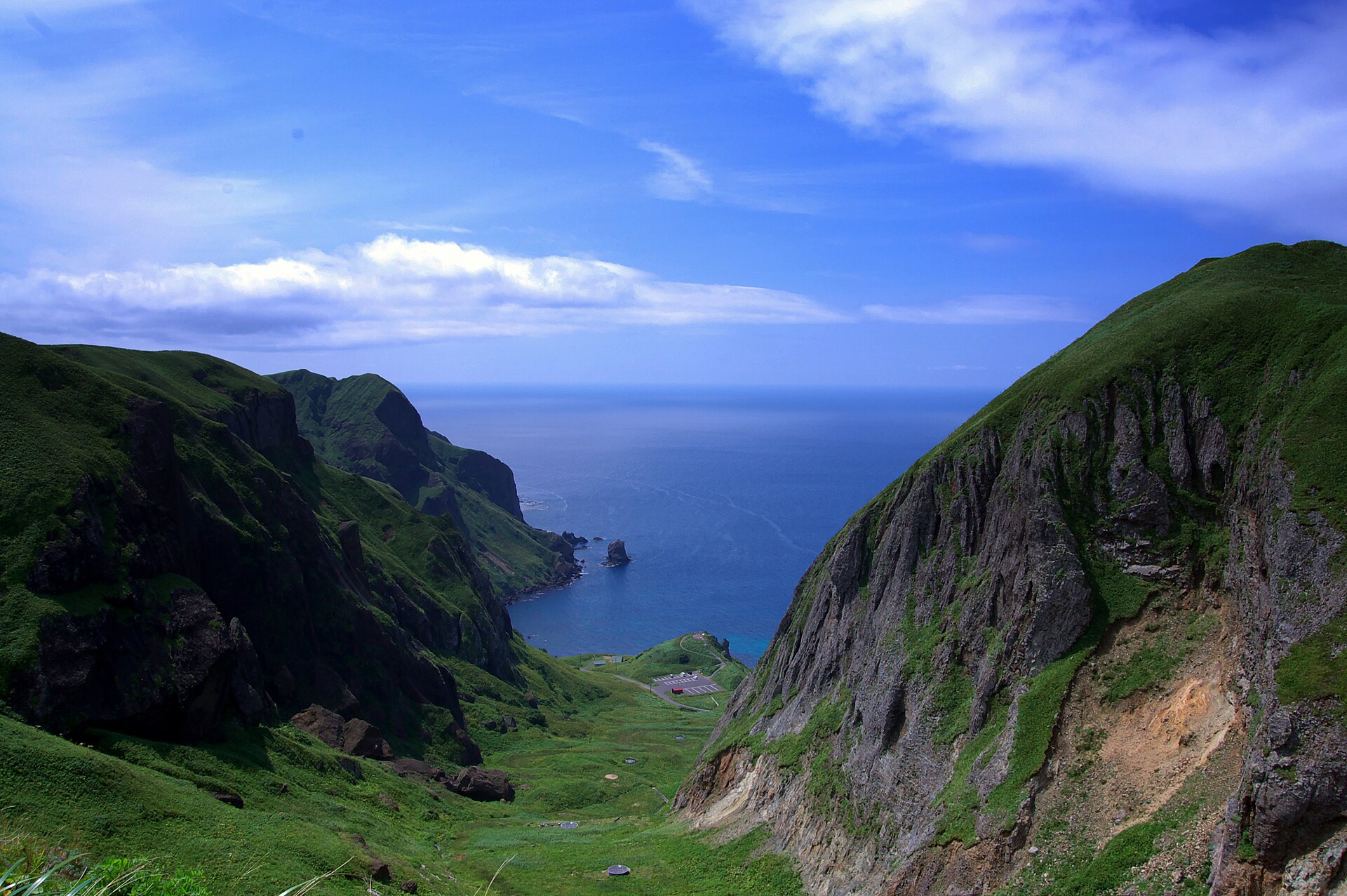
An island off the northwestern tip of Hokkaido, a long ridge of grassland and sea cliff. Cool summers and constant wind push alpine flowers down almost to sea level, so plants that normally belong high on a mountain grow beside coastal footpaths.
- FromWakkanai Port
- ~1 hr 55 minHeartland Ferry from Wakkanai
- Get off atKafuka Port Ferry Terminal (Heartland Ferry)
- From there
- Rebun Island
The sweet spot
Rebun is well known within Japan and the flower season fills the ferries, so this is not a secret. What outside guides tend to miss is the shape of a visit: almost everything here is reached on foot, along numbered courses of half a day or less, and the limiting factor is not distance but the bus timetable that feeds them.
Where it is
102 more notes in Hokkaido · open the map →What to look for — in walking order
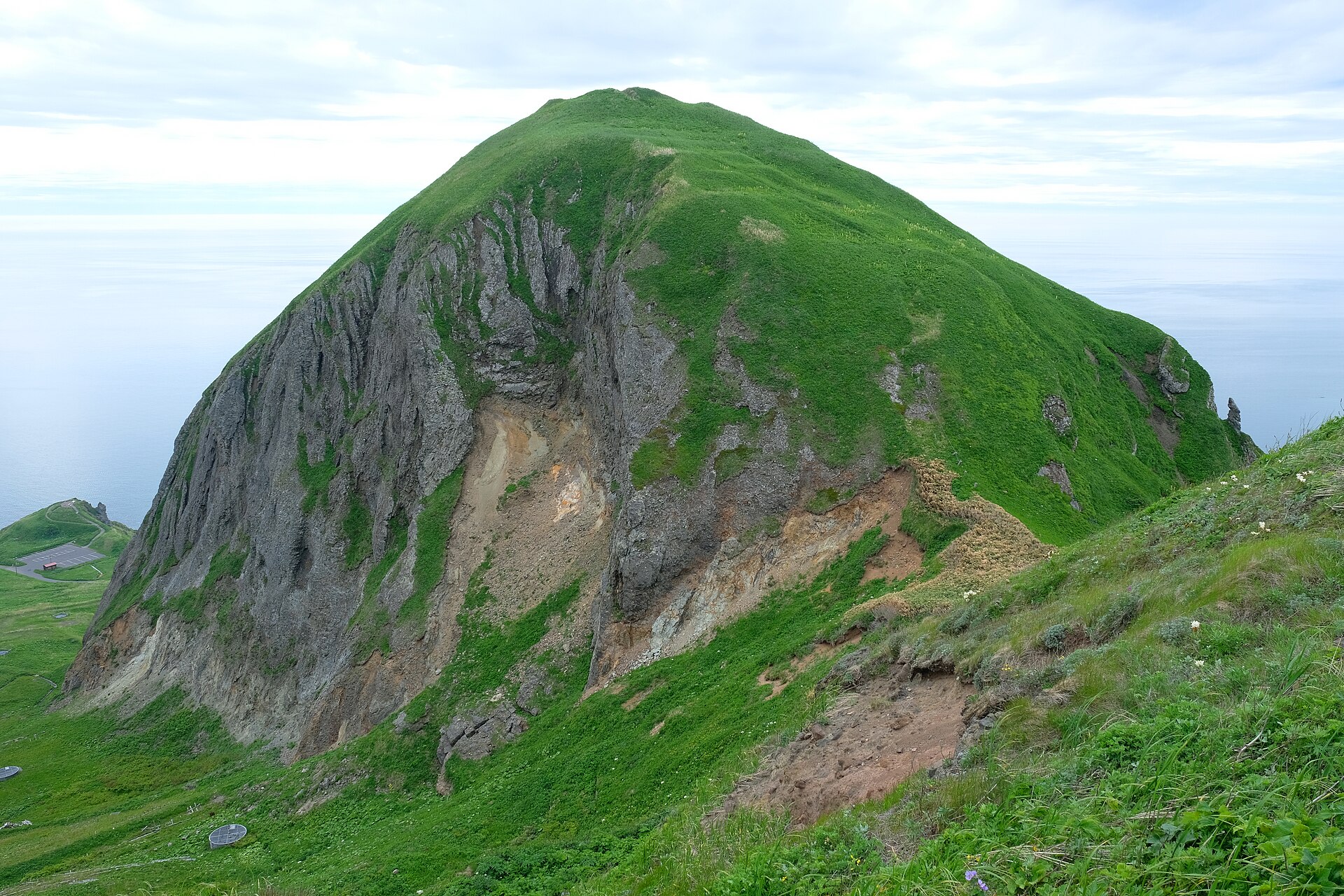
- Momoiwa lookout coursea ridge walk from above the port to the deck facing Momoiwa, the peach-shaped rock on the west coast
- Rebun forest road coursethe gravel road north of the port where the island's white edelweiss grows and flowers in early summer
- Mount Rebun coursean out-and-back to the island's high point, the one route with real climbing in it
- Cape-to-cape coursethe long northern walk out to the capes at the top of the island, along the coast and over open grass
How to actually get there
- Wakkanai Port Ferry Terminal → Kafuka Port, Rebun Island (Heartland Ferry, about 1 hour 55 minutes).
- At the terminal, pick up the island bus timetable and a course map at the tourist information centre.
- Take a Soya Bus run west or north to the head of the course you have chosen, and walk from there.
- Return to Kafuka in time for the afternoon sailing, or stay the night and take the first boat out.
- Heartland Ferry from Wakkanai
- Wakkanai is the northern end of the JR Soya Line and the ferry terminal stands by the port. Heartland Ferry crosses to Kafuka on Rebun in about 1 hour 55 minutes. Some sailings call at Oshidomari on Rishiri on the way, which is how most travellers link the two islands into one trip.
- Return sailing to Wakkanai
- The same route runs back. Crossings thin out sharply outside the summer season and are called off in heavy weather, so treat the return sailing as the fixed point of the day and fit the walking around it rather than the other way round.
About the place
Rebun lies in the Sea of Japan west of Wakkanai and north of Rishiri, and the two islands share Rishiri-Rebun-Sarobetsu National Park with the wetlands on the facing mainland. Where Rishiri is a single steep cone, Rebun is low and long, with the ferry port and the settlements on the sheltered eastern side and a run of sea cliffs down the west. Around 300 species of flowering plants have been recorded on it, which is why it is known in Japanese as the floating island of flowers. The routes worth taking follow the ridges rather than the road, and the walking is the point of coming.
How to enjoy it
Plan around two clocks, the ferry timetable and the bus timetable, in that order. Early summer is when the named flowers are out, and the shorter courses take a half day, so a single day on the island realistically means one walk plus the crossing. Staying a night turns that into two walks and one early sailing.
Background & history
The plants came first and the protection followed. The band of grassland around Momoiwa, the peach-shaped rock on the west coast, was designated a national natural monument for its alpine flower community, and the island as a whole was later folded into Rishiri-Rebun-Sarobetsu National Park. Two of the best-known plants carry the island's name: the Rebun usuyukiso, a downy white edelweiss found along the Rebun forest road and flowering in early summer, and the Rebun atsumoriso, a pale lady's slipper orchid whose colony site is opened only at set times rather than year-round.
Before you go
- Cash
- The walking courses and the viewpoints are free. Ferry and bus fares are published by the operators, and the tourist information centre at Kafuka Port handles course maps and current trail conditions. Some protected colony sites open only in season, so ask there before setting out for one.
- Before you go
- This is a wind island. The Momoiwa ridge in particular catches hard gusts and thick sea fog, and the official course notes say so outright. Flowers are an early-summer to summer affair; outside that window the ridges are simply green or brown, and winter crossings are unreliable.
- Another way
- Heartland Ferry also runs directly between Oshidomari on Rishiri and Kafuka, so you can arrive from the south instead of from Wakkanai. One local detail worth knowing: the island's tourism office states plainly that there are no brown bears and no snakes on Rebun, which is not something you can say about walking almost anywhere else in Hokkaido.
- After you get off
- Kafuka Port Ferry Terminal is the island's front door. The tourist information centre is here, and the island bus routes start from the port, so nothing on Rebun needs a transfer before the walking begins.