West Hiroshima · MiyajimaNo.1170★★Open in map →
Miyajima Woodcraft
— Rice scoops and carved trays at the island crafts hall
The island's woodworking trade — rice scoops, lathe-turned trays and the relief carving called Miyajimabori — gathered into one hall beside the ferry pier, where the producers' cooperative shows and sells the work and runs hands-on sessions on the floors above.
- FromHiroshima Station
- ~45 minJR train, then ferry
- Get off atMiyajima Pier (JR and Matsudai ferries)
- On foot
- Miyajima Woodcraft
The sweet spot
Scoops are stacked in every souvenir shop on the island, so the craft itself is impossible to miss. The hall is quieter than the shops, because it stands beside the pier while the flow of arrivals turns south toward the shrine the moment it lands.
Where it is
25 more notes in Hiroshima · open the map →What to look for — in walking order
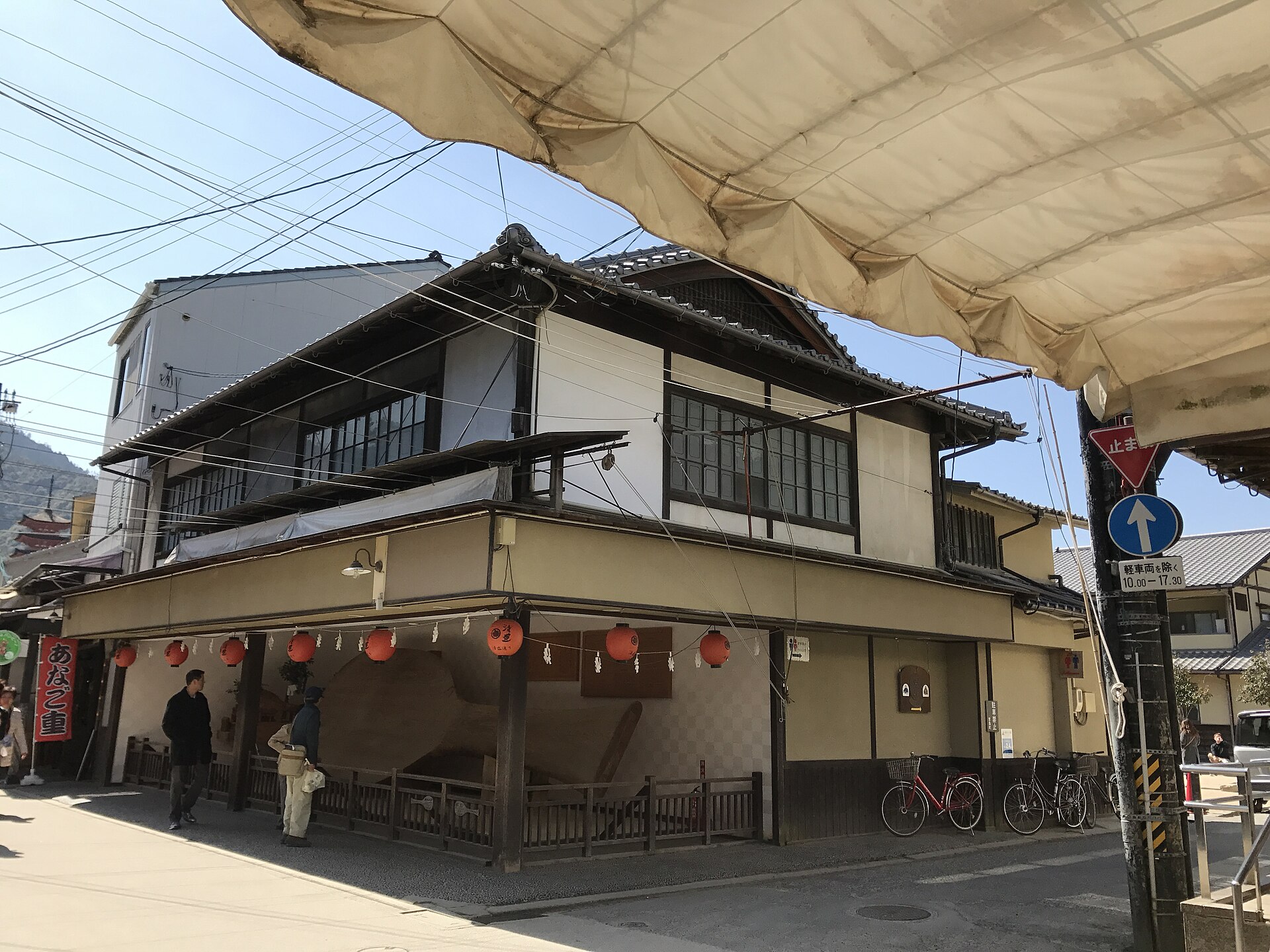
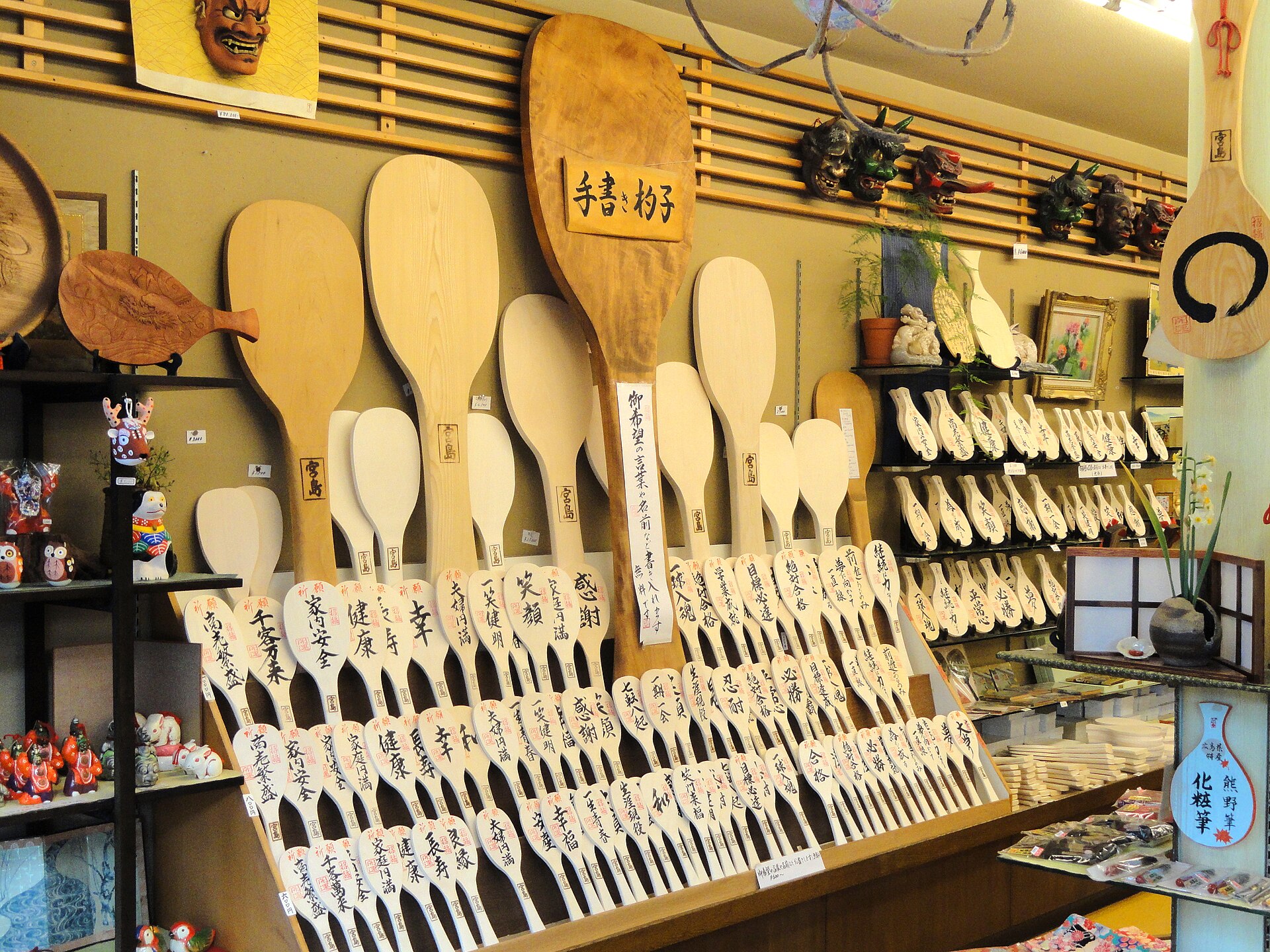
- Ground floor of the crafts hallthe cooperative's standing display of scoops, turned bowls and carved trays, all for sale
- Workshop floors abovesessions to brand a scoop, carve a small round tray or grill momiji manju by hand
- Scoop shops on the approachthe same goods sold as souvenirs, a few minutes south along the shrine approach
- The giant rice scoop7.7 metres and 2.5 tonnes of keyaki, held at the interaction centre near the shrine
How to actually get there
- Hiroshima Station → Miyajimaguchi Station (JR Sanyo Line toward Iwakuni, about 30 minutes).
- Miyajimaguchi Station → the passenger terminal (through the underpass).
- Miyajimaguchi → Miyajima Pier (ferry, about 10 minutes).
- Miyajima Pier → the crafts hall (a short walk, left out of the terminal).
- JR Sanyo Line to Miyajimaguchi, then the ferry
- From Hiroshima Station take the JR Sanyo Line toward Iwakuni as far as Miyajimaguchi, put at about thirty minutes by the prefectural tourism board. An underpass runs from the station to the passenger terminal. Two operators sail the same route to Miyajima Pier and either ticket is valid.
- Return from Miyajima Pier
- The hall is close enough to the pier that the last sailing is easy to catch. Boats run back to Miyajimaguchi into the evening, and JR trains continue from there toward Hiroshima Station. Check the posted departures at the terminal if you are carrying a workshop piece home.
About the place
Miyajima woodcraft covers several trades worked in the same shops: the flat rice scoop, bowls and trays turned on a lathe, hollowed vessels, and the relief carving known as Miyajimabori. Hiroshima Prefecture traces the skills to the temple carpenters and cabinetmakers brought in to build the island's shrines and temples, and to the timber that came down from the mountains behind Hatsukaichi. The producers' cooperative runs a hall near the ferry pier where the work is displayed and sold, with workshop floors above it. The same goods turn up in the souvenir shops along the approach.
How to enjoy it
Ferries take about ten minutes from the mainland, and the hall sits a short walk from where they dock — the easiest stop to make on the way in, before the approach fills. Scoop-branding and carving sessions run to a timetable and may need booking ahead, so settle that before you sail. The ground-floor display needs no reservation at all.
Background & history
Hatsukaichi City traces the island's woodworking to carpenters and cabinetmakers called in from Kyoto and Kamakura to build its shrines and temples. The rice scoop is much younger. The city and the producers' cooperative both credit a monk named Seishin, who around 1800 shaped it after the lute carried by the goddess Benzaiten and taught islanders to make it. The state designated Miyajima woodcraft a traditional craft industry in 1982. A giant scoop commissioned by the former town of Miyajima was finished in 1983, after two years and ten months of work.
Before you go
- Cash
- Fees for the hands-on sessions are set by the cooperative and collected on site. Published figures differ between listings, so confirm the current amount when you book rather than relying on a number you read beforehand. The ferry takes cash and nationwide transport IC cards, and a separate Miyajima visitor levy applies on top of the fare.
- Before you go
- The hall is listed as closed one day a week and over the New Year period, so it is worth checking before making a special trip for it. Workshop rounds have a fixed capacity and fill up. The ground-floor display and the shops along the approach stay open when the sessions are full.
- Another way
- The Hiroden tram reaches Hiroden-Miyajimaguchi beside the same terminal with no transfer, slower than JR. Boats also cross to the island from Hiroshima Port.
- After you get off
- Leaving Miyajima Pier, the hall stands a short walk away on the left, before the path bends south toward the shrine approach.