Hokkaido · ChitoseNo.708★★★Open in map →
Lake Shikotsu
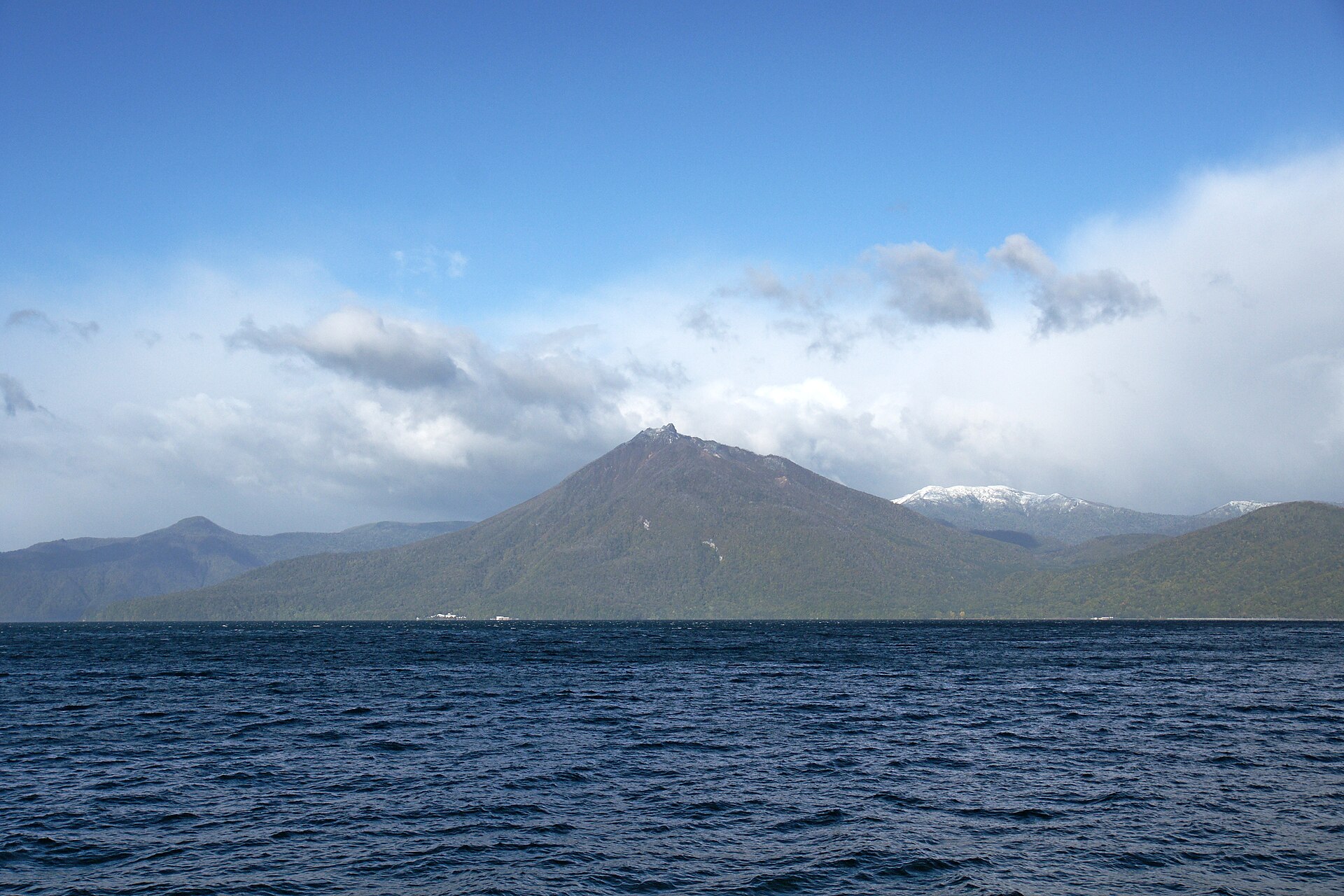
A caldera lake in the volcanic hills west of Chitose, ringed by three peaks and held inside Shikotsu-Toya National Park. The water is famously clear, it stays open through the Hokkaido winter, and the airport town is one bus ride away.
- FromChitose Station (JR Chitose Line)
- ~50 minChuo Bus from Chitose Stn
- Lake Shikotsu
Where it is
102 more notes in Hokkaido · open the map →What to look for — in walking order
- Shikotsu Visitor Centrefree exhibition on how the caldera formed and what lives in and around the lake
- Sansen Bridgea steel bridge over the lake's outlet, standing on the lakeside walking route
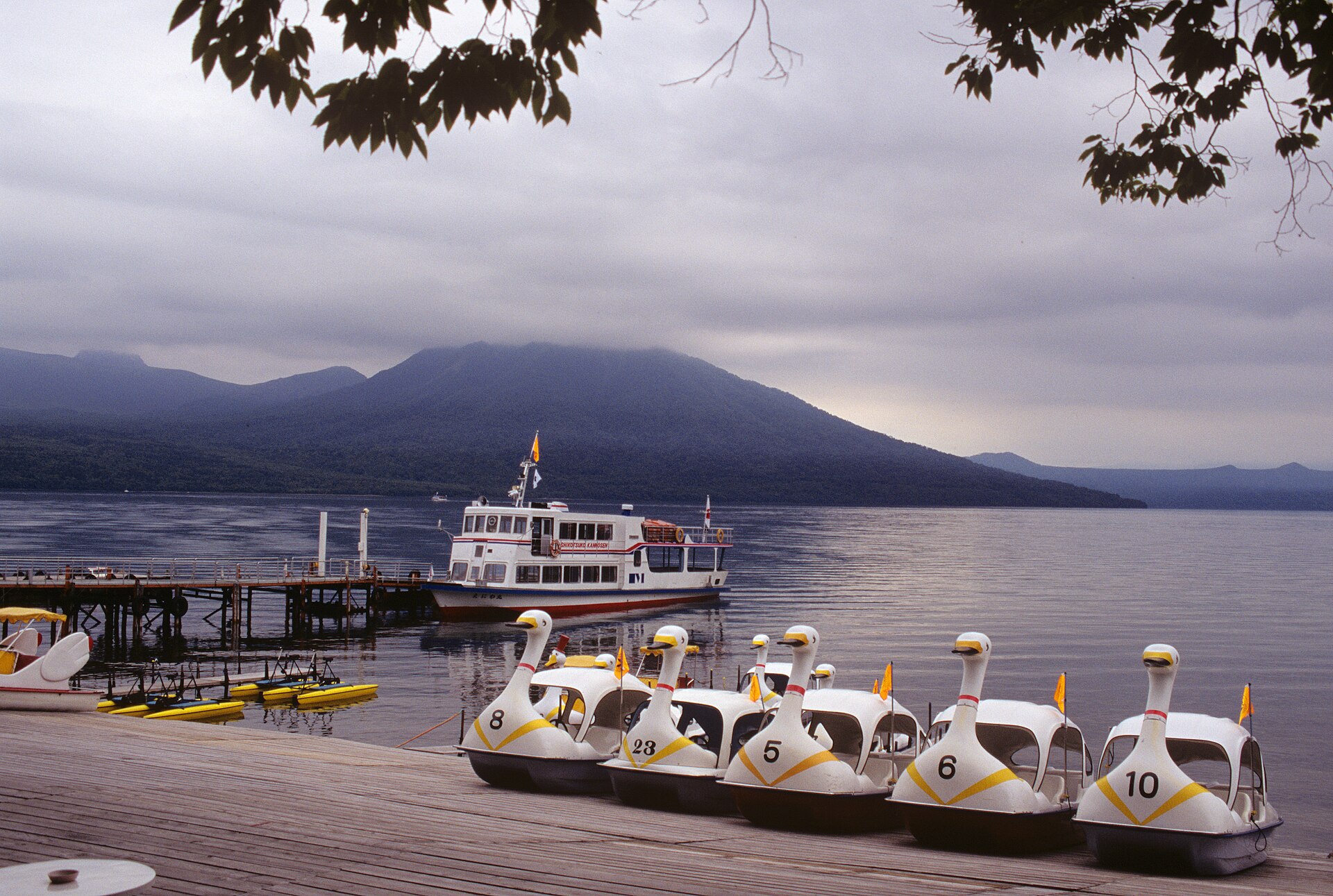
- The lakeside park and boat pierdeparture point for the sightseeing boats, with the volcanoes in view across the bay
- The three volcanoesEniwa, Fuppushi and Tarumae around the rim, in sight from most of the shore
- Shikotsu Onsenhot-spring baths in the lakeside village, some of them open to day visitors
How to actually get there
- Chitose Station → Shikotsuko, the last stop (Hokkaido Chuo Bus, Shikotsuko line).
- Shikotsuko terminus → Shikotsu Visitor Centre, a few minutes on foot, for the caldera exhibition.
- Walk the shore path past Sansen Bridge to the pier, where the sightseeing boats leave.
- Return through the onsen village for a bath before the bus back.
- Hokkaido Chuo Bus, direct from Chitose Station
- Chitose Station → Shikotsuko, the last stop, on the Hokkaido Chuo Bus Shikotsuko line. The ride takes about 50 minutes and needs no change. Departures are spread through the day rather than running every few minutes, so read the timetable before you plan the rest of the day.
- Return on the same line
- Buses back to Chitose Station leave from the same terminus by the lake. The service finishes earlier than a city route does. Read the last departure on the timetable board when you arrive, not when you want to leave.
About the place
Lake Shikotsu lies in a bowl of volcanic hills southwest of Chitose, inside Shikotsu-Toya National Park. The shoreline runs about 40 kilometres, and the water drops to roughly 360 metres at its deepest. Three volcanoes stand around the rim: Eniwa to the north, Fuppushi and Tarumae to the south. They frame almost every view across the water. The lake carries very little nutrient matter, so the blue reads deep and hard rather than soft. It is also the northernmost lake in Japan that does not freeze over, and the environment ministry's water survey has repeatedly placed it first among the country's lakes.
How to enjoy it
Give the shore half a day. Take the visitor centre first for the caldera story, then follow the walking route past the bridge to the pier, where the sightseeing boats run from spring into late autumn. Because the buses are thin, the last departure decides how long you can stay, so read it on arrival.
Background & history
The basin was blown out roughly forty thousand years ago, when the Shikotsu volcano collapsed after a vast eruption and water later filled the hollow. The peaks now standing on the rim grew afterwards, which is why the lake is a caldera carrying mountains inside its own frame. In 1949 the area was designated Shikotsu-Toya National Park, together with Lake Toya, Noboribetsu and Jozankei, and the shoreline has been managed as park land ever since.
Before you go
- Cash
- The visitor centre is free to enter. Boat rides, the hot-spring baths and the lakeside car park are charged separately, and payment methods differ by operator, so carry cash as well as a card.
- Before you go
- The lake itself does not freeze, but the shore lies under snow from December into March, when the visitor centre also switches to shorter winter hours. Paths and roads can ice over. An ice festival is held on the lakefront in winter and changes the layout of the shore while it runs.
- Another way
- The same Shikotsuko line also runs from New Chitose Airport, so the lake can be reached without going into town first.
- After you get off
- From Chitose Station the Shikotsuko bus runs through to its last stop, which stands in the lakeside village. The visitor centre, the pier and the onsen inns are all a few minutes from the terminus on flat paved paths.