East Fukuoka · Toho VillageNo.1103★★Open in map →
Koishiwara Ware
— Fukuoka's mountain pottery village
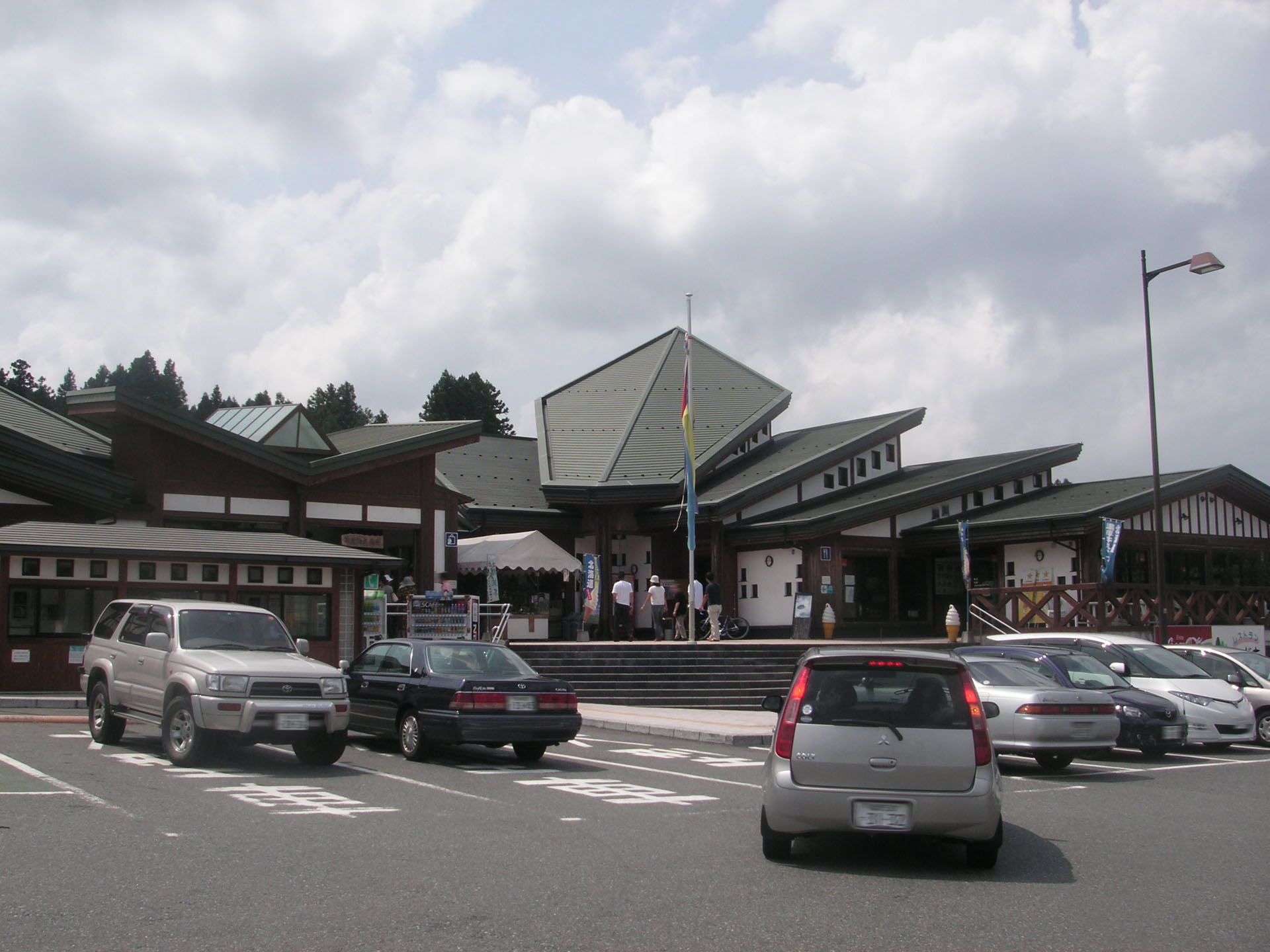
A pottery village in the hills of eastern Fukuoka whose kilns mark their pots while the wheel is still turning. The road station at the top of the pass gathers the village kilns into one hall — the place to compare before choosing a workshop to visit.
- FromHakata Station
- Half-day tripRail + BRT, then road
- Get off atDaigyoji Station (Hikoboshi Line BRT)
- From there
- Koishiwara Ware
The sweet spot
Koishiwara is not undiscovered. It is a nationally designated ware with a following, and the village pottery fairs draw crowds twice a year. It stays quiet the rest of the time because no railway reaches the village and the kilns are spread thin along mountain roads, so most people meet the ware in a city shop rather than where it is made.
Where it is
28 more notes in Fukuoka · open the map →What to look for — in walking order
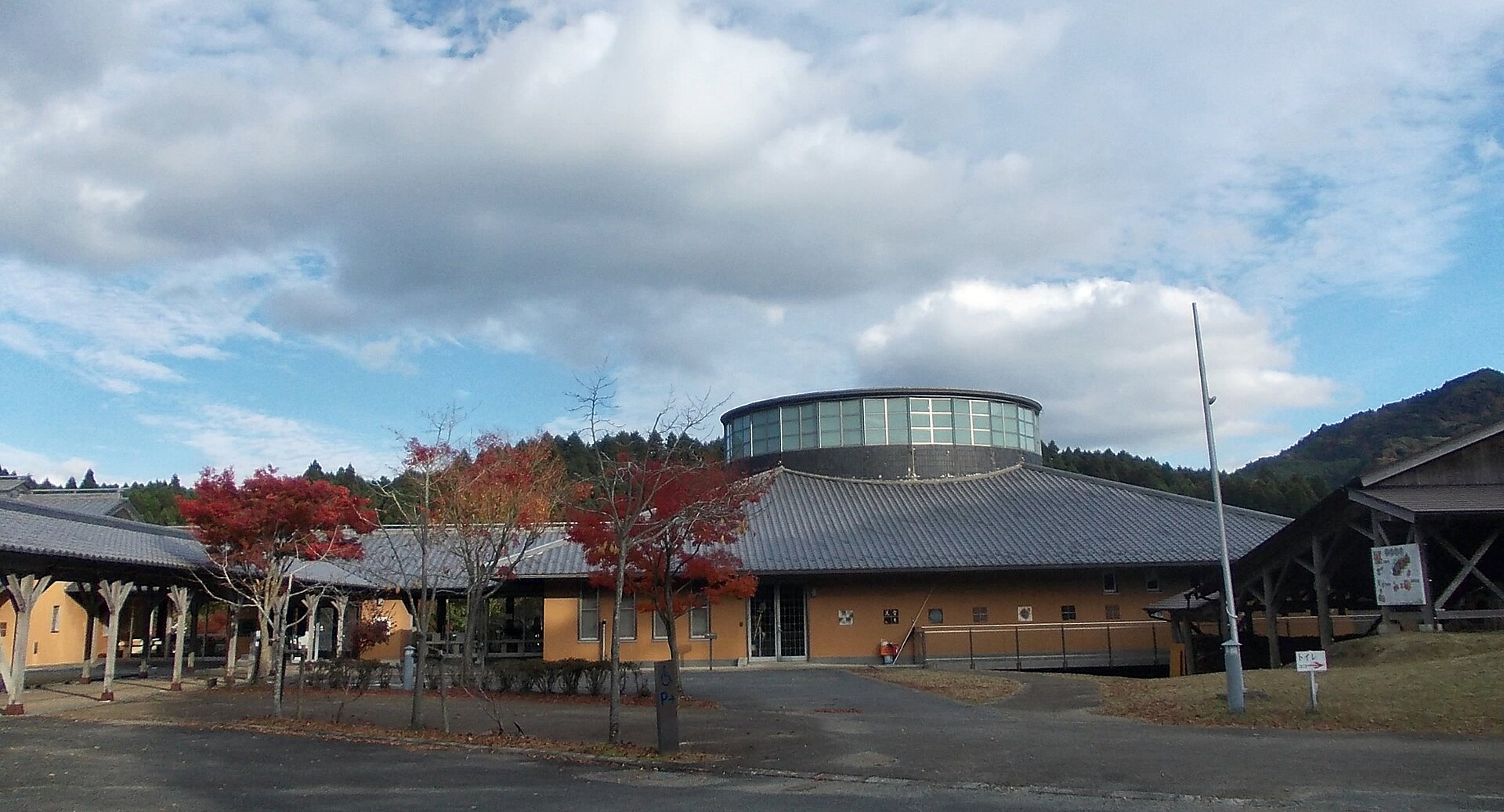
- To-no-Sato-kanthe pottery hall where the village kilns are displayed and sold side by side
- The produce countervegetables, mountain greens, pickles, miso and yuzu preserves from the surrounding farms
- Restaurant Kodachithe dining room inside the road station building itself
- Koishiwara Pottery Traditional Industry Hallrepresentative Koishiwara and Takatori pieces, with wheel and painting sessions
How to actually get there
- Hakata Station → Tagawa-Gotoji (JR Sasaguri Line, then the Gotoji Line), then the Hita-Hikosan Line and Hikoboshi BRT to Daigyoji.
- Daigyoji → Koishiwara by the village's shared taxi or an ordinary taxi; the last stretch is mountain road.
- Start in the road station's To-no-Sato-kan, where the village kilns are set out side by side.
- Carry on along the road to the Koishiwara Pottery Traditional Industry Hall for the older pieces and the hands-on room.
- Rail and BRT to Daigyoji, then the road
- From Hakata Station take the JR Sasaguri Line to Shin-Iizuka, the Gotoji Line to Tagawa-Gotoji, then the Hita-Hikosan Line and its Hikoboshi BRT section down to Daigyoji, in the lower part of Toho Village. Daigyoji is not within walking distance of the pottery village: continue by the village's fixed-route shared taxi, Noruto Toho, or by ordinary taxi. Allow the better part of a morning for the whole chain.
- Back down the valley
- The return runs the same chain in reverse. Both the shared taxi and the BRT work to a timetable rather than a frequency, so fix the departure you need before you start browsing shelves. The road station itself shuts in the late afternoon, and earlier in winter than in summer.
About the place
Koishiwara sits in the hills of Toho Village, on the road that crosses from the Chikugo plain toward Hita. What defines the ware is everything done while the pot is still spinning: tobikanna, where a sprung blade skips across a slip-coated surface and leaves a ring of chattered dashes; hakeme, a brush laid on wet slip; kushime combing; and glaze poured or flung across the body. Because the marks are made in motion, no two pieces repeat. The workshops are family kilns spread thin along the valley, and the road station at the top of the pass gathers their work into a single hall — a starting point rather than a last stop.
How to enjoy it
The road station opens at nine, ahead of the workshops themselves, which is why it works as the first stop rather than the last. Twice a year, in spring and autumn, the village holds a pottery fair when the kilns open together — the widest view of the range, and the one time worth arriving early for. Outside the fairs, an hour in the hall is usually enough to settle on the two or three kilns worth the drive.
Background & history
Kilns were established here after Kuroda Mitsuyuki, third lord of the Fukuoka domain, brought potters from Imari in Hizen; the workshops then developed alongside the Takatori ware kilns already in the area, shifting over time from large storage jars to everyday tableware. In 1954 Yanagi Soetsu and the English potter Bernard Leach came to the village and praised the ware as the height of beauty in use, and the name spread nationally from there. In 1975 Koishiwara Ware became the first ceramic ware in Japan to be designated a national traditional craft.
Before you go
- Cash
- The road station's pottery hall sells the kilns' work directly, and the traditional industry hall runs paid sessions on the wheel and in painting. What you pay depends on the piece, and it is worth carrying cash this far from the city.
- Before you go
- Open all year, though heavy snow can close it. Closing is half past five between April and October, and half an hour earlier from November through March.
- Another way
- By highway bus, Nishitetsu's reservation-free Hita-go service runs from Hakata Bus Terminal and Tenjin down to Haki, where the village's Haki shared-taxi service continues up into Koishiwara. The route bus that used to make this run has been withdrawn, so check the village timetable before relying on it. By car, leave the Oita Expressway at Haki IC and climb National Route 211.
- After you get off
- Daigyoji is the nearest BRT station, but the pottery village lies up the valley from it by road rather than on foot. Arrange the shared taxi or a taxi at the station. The road station stands beside the village office's Koishiwara branch, on the main road through the settlement.