Sanriku · KesennumaNo.1220★★Open in map →
Kesennuma Shark Fin
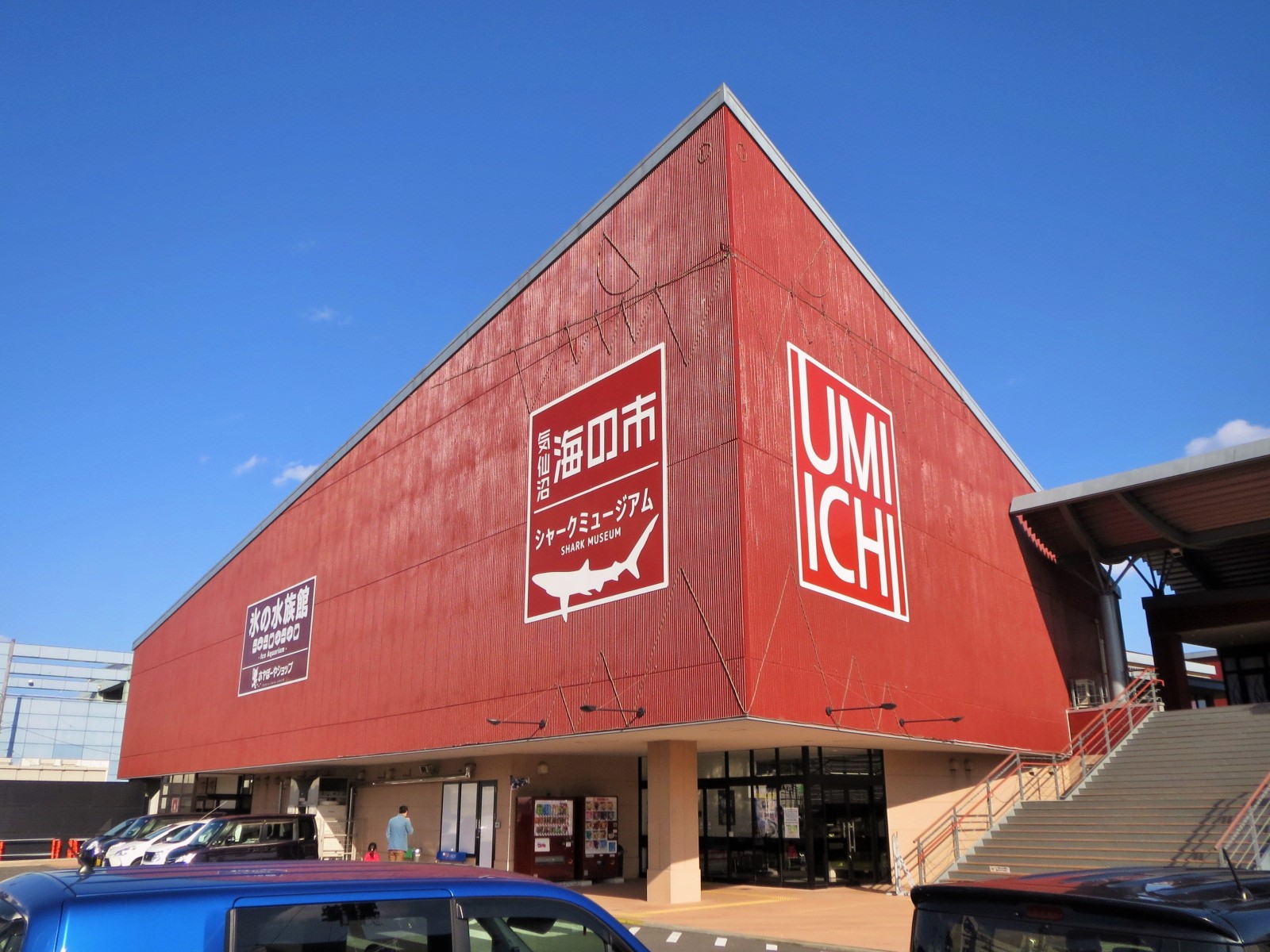
Japan lands most of its sharks at Kesennuma, and the fins dried here feed the national trade in fukahire. Umi-no-Ichi, the market hall on the fish-market quay, sells the products downstairs and keeps a shark museum on the floor above.
- FromSendai Station
- ~3 hrHighway bus, direct
- Get off atKawarada–Umi-no-Ichi-Iriguchi (Sendai–Kesennuma highway bus)
- On foot
- Kesennuma Shark Fin
The sweet spot
This is a speciality the city advertises, with its own museum, so it is not a hidden find. What is easy to miss is the order of things. The same fleet works bonito, tuna and swordfish, and the shark comes up inside that industry rather than as a hunt of its own. Standing on the quay you meet the boats before you meet the ingredient, which is the reverse of how a restaurant introduces it.
Where it is
23 more notes in Miyagi · open the map →What to look for — in walking order
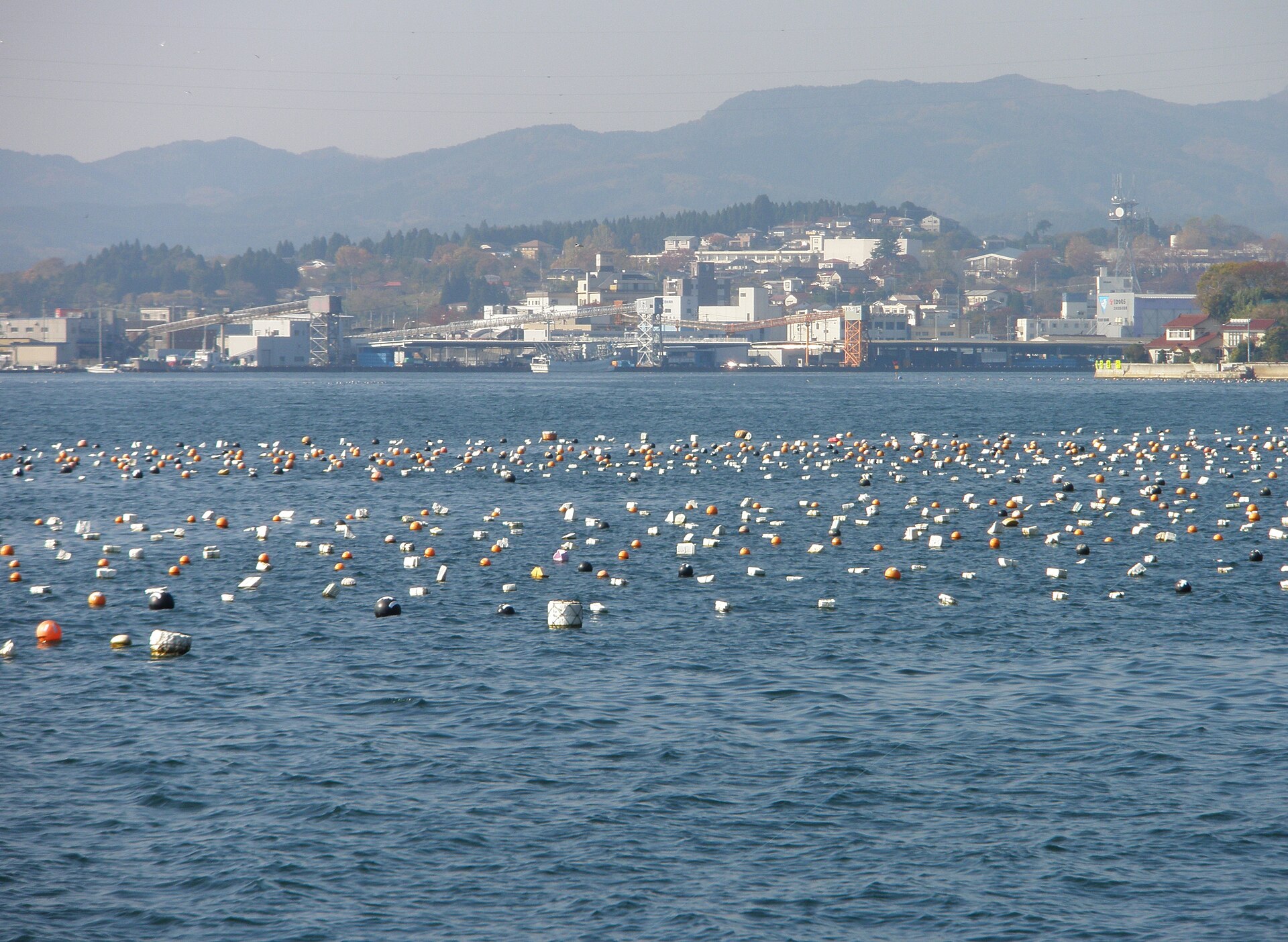
- The fish-market quaythe working waterfront in front of the hall, where ocean-going boats berth inside the town
- Umi-no-Ichi, ground floorshops and counters of Kesennuma seafood and processed goods, fukahire among them
- The ice aquariuma walk-in room held below freezing, built out of the port's ice-making trade
- The Shark Museumthe second-floor museum on sharks, beside the tourist information desk
- Kesennuma Municipal Fish Marketthe market building next door, with a public viewing deck on its north upper floor
How to actually get there
- Sendai Station → Kesennuma (Miyagi Kotsu highway bus, direct, about 3 hours, 2,200 yen).
- Get off at Kawarada–Umi-no-Ichi-Iriguchi rather than riding to the terminus.
- Walk two minutes to Umi-no-Ichi and work up from the counters to the museum floor.
- Cross to the municipal fish market next door and take the upper-floor viewing deck.
- Sendai to Kesennuma by direct highway bus
- Miyagi Kotsu runs a highway bus from in front of Sendai Station through to Kesennuma, with no change and about three hours on the road. Passengers board and alight at stops along the route, so ask for Kawarada–Umi-no-Ichi-Iriguchi instead of the terminus. The one-way fare between Sendai and Kesennuma was 2,200 yen at the time of writing.
- Back from the same roadside stop
- Buses to Sendai leave from the same stop by the road. Departures cluster in the morning and the middle of the day and thin out later, so read the board at the stop before you settle into the building. This is a trip to plan from the return end.
About the place
Kesennuma stands at the head of a long ria inlet on the Sanriku coast. The water is deep enough that ocean-going boats tie up almost in the middle of town, and the fish market and the market hall share the same quay. The city lands more shark than anywhere else in Japan, mostly blue shark and salmon shark. Fins are heated, scraped clear of their rough skin, degreased and dried in the open air before they are fukahire at all. The rest of the animal is used too, the flesh going to fish paste and the hide to leather. None of this sits behind a factory gate here — it is the town's main trade, running at street level.
How to enjoy it
Come in the morning. The fish market next door opens long before the shops do, and the landings and the auction are finished well before midday. Read the hall from the bottom upward — counters first, museum floor second — then cross to the market deck, so the ingredient and the boats that brought it stay inside one visit.
Background & history
Shark fin is one of Japan's older marine exports. Under the Tokugawa shogunate it left Nagasaki for Qing China as one of the tawaramono, the dried goods shipped in straw bales alongside sea cucumber and abalone. Those shipments climbed from the end of the seventeenth century, and the Chinese banquet had valued the fin for longer still. Kesennuma joins the story late, and it joins it through the deep-sea fleet that grew in this inlet.
Before you go
- Cash
- Entering the hall costs nothing, and you pay only for what you buy and for the floor above. Admission to the Shark Museum is charged separately, at a lower rate for primary-school children.
- Before you go
- Confirmed at the time of writing: the hall opens at 8:00 and closes at 17:00 from October to April, or 17:30 from May to September. The viewing deck at the fish market next door opens from 6:30. The quay is open to the sea and the wind down the inlet is hard in winter.
- Another way
- There is a rail approach as well. From Ichinoseki on the Tohoku Shinkansen the JR Ofunato Line runs east to Kesennuma Station, but trains are few and the station sits back from the water, so the last stretch is a taxi. Iwate Kenpoku Bus also links Sendai and Kesennuma, with fewer stops and a faster run.
- After you get off
- The Kawarada–Umi-no-Ichi-Iriguchi stop is about 200 metres short of the hall, on the landward side. Walk toward the water on flat ground and the long building on the quay is the one, roughly two minutes.