North Okayama · KatsuyamaNo.599★★Open in map →
Katsuyama Noren Townscape
— Dyed shop curtains along an old castle-town street
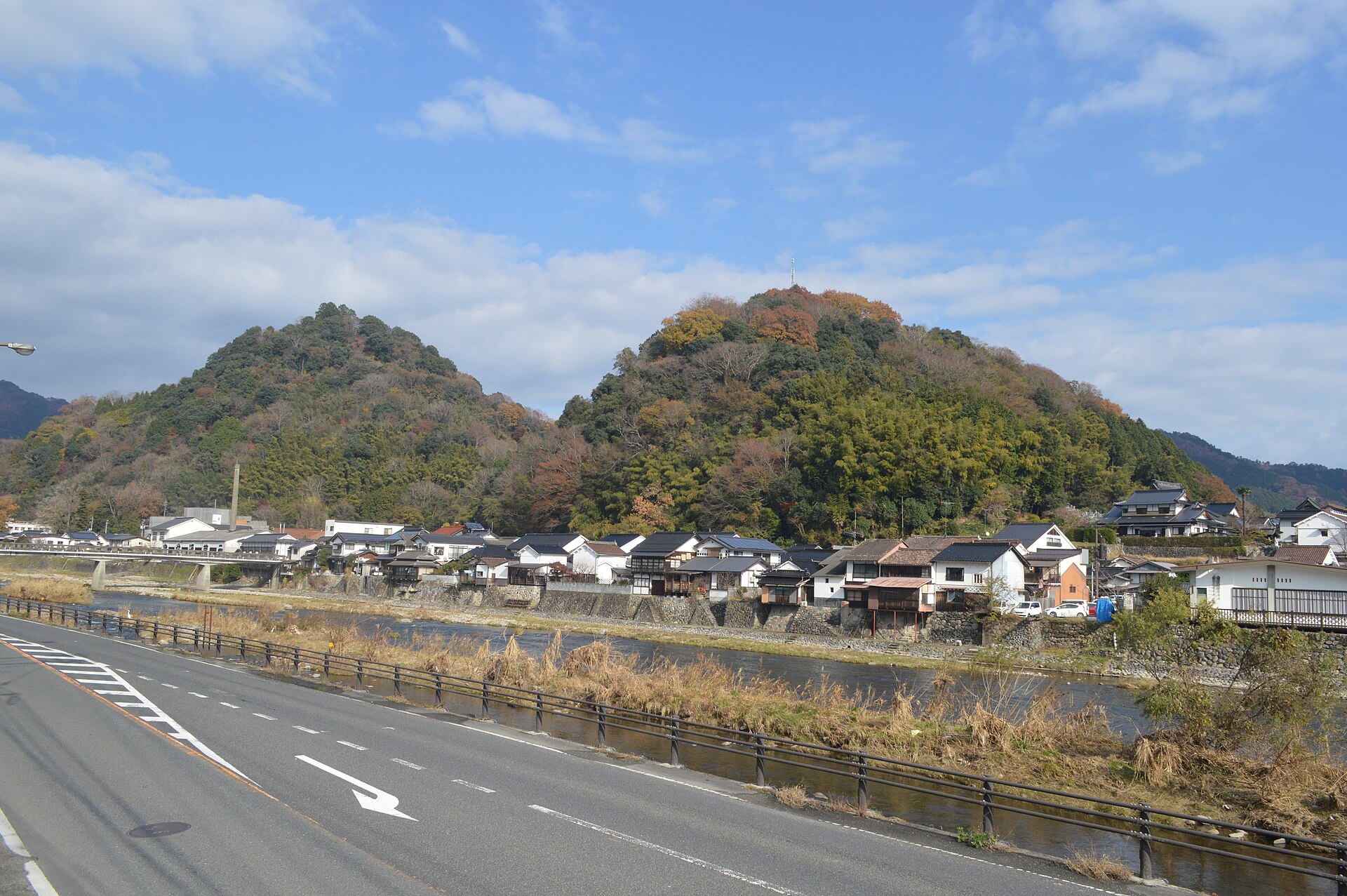
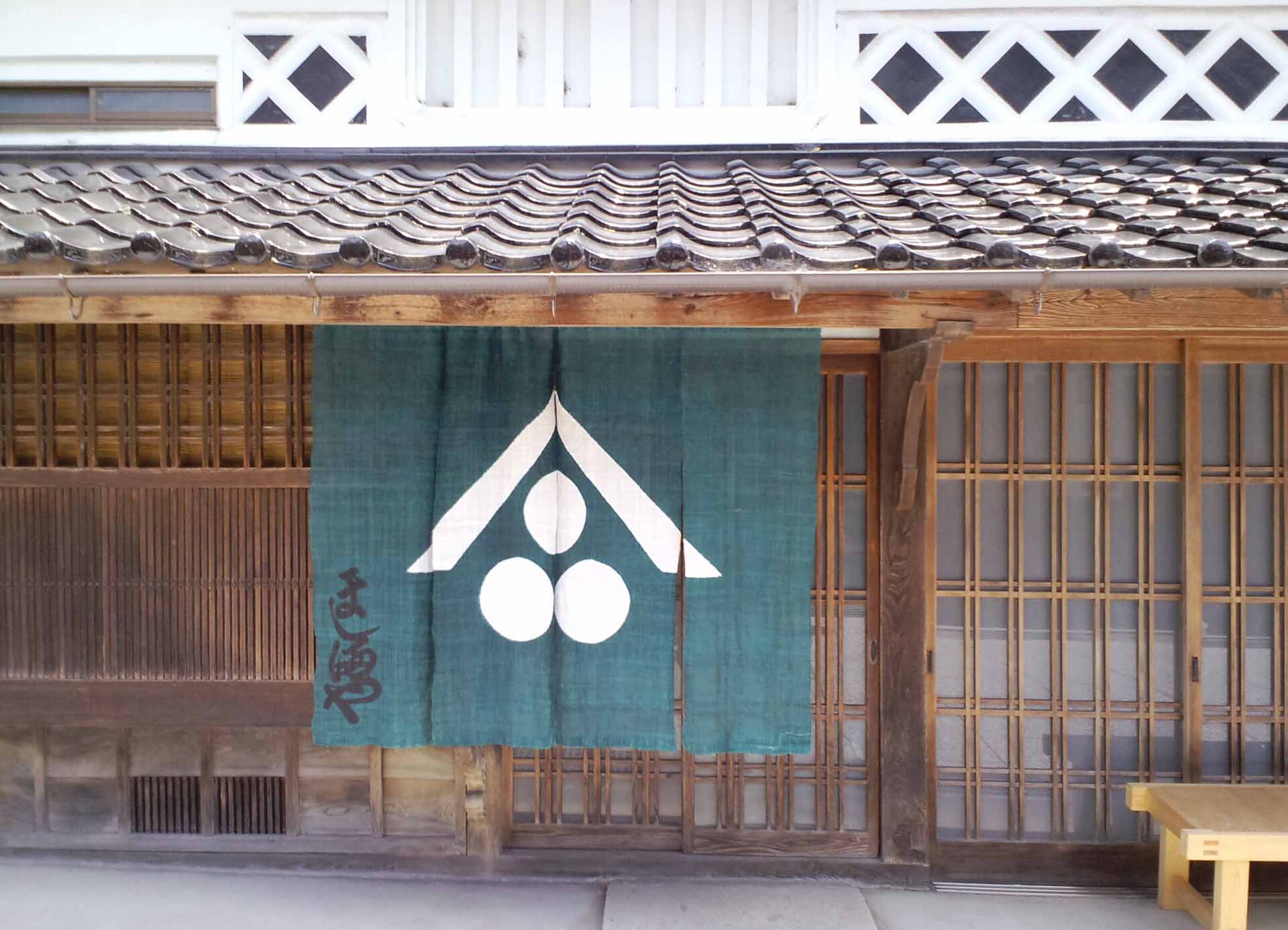
White-walled merchant houses and lattice windows line the old Izumo Road through Katsuyama, a castle town in northern Okayama. Dyed cloth curtains hang at the eaves, one to a house, and each was made for the building behind it.
- FromOkayama Station
- ~1 hr 50 minHighway bus, 4 a day
- Get off atKatsuyama, in front of Chugoku-Katsuyama Station (Chutetsu Hokubu Bus)
- On foot
- Katsuyama Noren Townscape
The sweet spot
This is a small inland town and it is never packed, but emptiness is not the reason to come. The street is short and the interest sits in the detail — working out which curtain belongs to which trade — so it rewards a slow walk more than a quick photograph.
Where it is
14 more notes in Okayama · open the map →What to look for — in walking order
- Chugoku-Katsuyama Stationwhere both the bus and the Kishin Line arrive, with the local tourist association desk inside the building
- The preserved streetwhite plaster, lattice windows and namako-patterned storehouse walls, with a dyed curtain at every eave
- Katsuyama Local History Museumat the centre of the district, holding material on the Miura domain lords and the merchant houses
- Hishio culture halla former soy-sauce warehouse converted into a hall, gallery and café for the district
- The Takasebune landingsstone-paved riverbank behind the street, where boats once loaded for the run down to Okayama
How to actually get there
- Okayama Station East Exit, stand 9 → Katsuyama, in front of Chugoku-Katsuyama Station (Chutetsu Hokubu Bus via the Okayama Expressway, about 1 hr 50 min).
- Chugoku-Katsuyama Station → the south end of the preserved street (walk northwest).
- Walk north along the street, past the local history museum and the culture hall.
- Drop to the Asahi River behind the street for the old boat landings, then return the same way.
- Chutetsu Hokubu Bus, direct from Okayama Station
- The bus leaves Okayama Station East Exit from stand 9 and runs by way of the Okayama Expressway to Katsuyama, stopping in front of Chugoku-Katsuyama Station, southeast of the street's south end. There are four departures a day in each direction. No reservation is taken and seats are limited, so get to the stand early. The ride takes about an hour and fifty minutes.
- Return from the station front
- Buses to Okayama leave from the same stop in front of Chugoku-Katsuyama Station. The last one goes in the late afternoon, so an evening return by bus is not possible. If you miss it, the JR Kishin Line runs from the station toward Tsuyama. Check the posted times when you arrive rather than at the end of the day.
About the place
Katsuyama grew up where the old Izumo Road met the Asahi River, in what is now Maniwa City in northern Okayama. The prefecture picked this street as its first townscape preservation district, and the white plaster, the lattice screens and the namako-patterned storehouse walls have been kept since. What sets it apart from other preserved towns is cloth. Households hang dyed noren curtains at their eaves, and no two carry the same design — a tool, a plant, the mark of a trade. Behind the curtains, old houses and warehouses hold workshops, cafés and galleries, so this is a street still doing business rather than a block on display.
How to enjoy it
Festivals change the street completely. Households set out hina dolls at their eaves and in their front rooms through early March, and the danjiri floats of the autumn festival are driven at each other on 19 and 20 October. On any other day the walk fits into either half of a day, and since the museums and the culture hall keep daytime hours, the easy order is to walk north up the street first and drop to the river on the way back.
Background & history
Katsuyama was the castle town of the Mimasaka Katsuyama domain, held by the Miura family, and it also worked as a post town on the Izumo Road. Miura Akitsugu was transferred here from Nishio in Mikawa Province in 1764, repaired the castle and settled his retainers in the Dan quarter below it. Goods moved by water as well as by road: this was the highest landing on the Asahi River, and flat-bottomed boats carried local produce down to Okayama and came back loaded with salt and daily goods. Okayama Prefecture made the street a townscape preservation district in 1985, the first in the prefecture.
Before you go
- Cash
- Fares on the Okayama bus are paid on board in cash or with a bus card, and single tickets are not sold at a counter. Return tickets bought on board cost less than two singles. The local history museum and the samurai residence charge a small admission; the culture hall is free to look around. Carry cash for the small shops along the street.
- Before you go
- The museums and the culture hall close over the New Year period, and the culture hall also takes a weekday closing day. The workshops and cafés behind the curtains set their own days off, so a weekday visit can find some shutters down. The street itself has no gate and no admission and can be walked at any hour.
- Another way
- By car, the district is reached from Kuze interchange on the Yonago Expressway, with free parking at both the north and south ends of the street. By rail, the JR Kishin Line reaches Chugoku-Katsuyama Station from Tsuyama.
- After you get off
- From the stop in front of Chugoku-Katsuyama Station, walk northwest. The preserved district begins where the road narrows and the white-walled fronts start, and the street runs north from there.