East Sapporo · NopporoNo.1128★★Open in map →
Historical Village of Hokkaido
— Sapporo's open-air museum of pioneer buildings
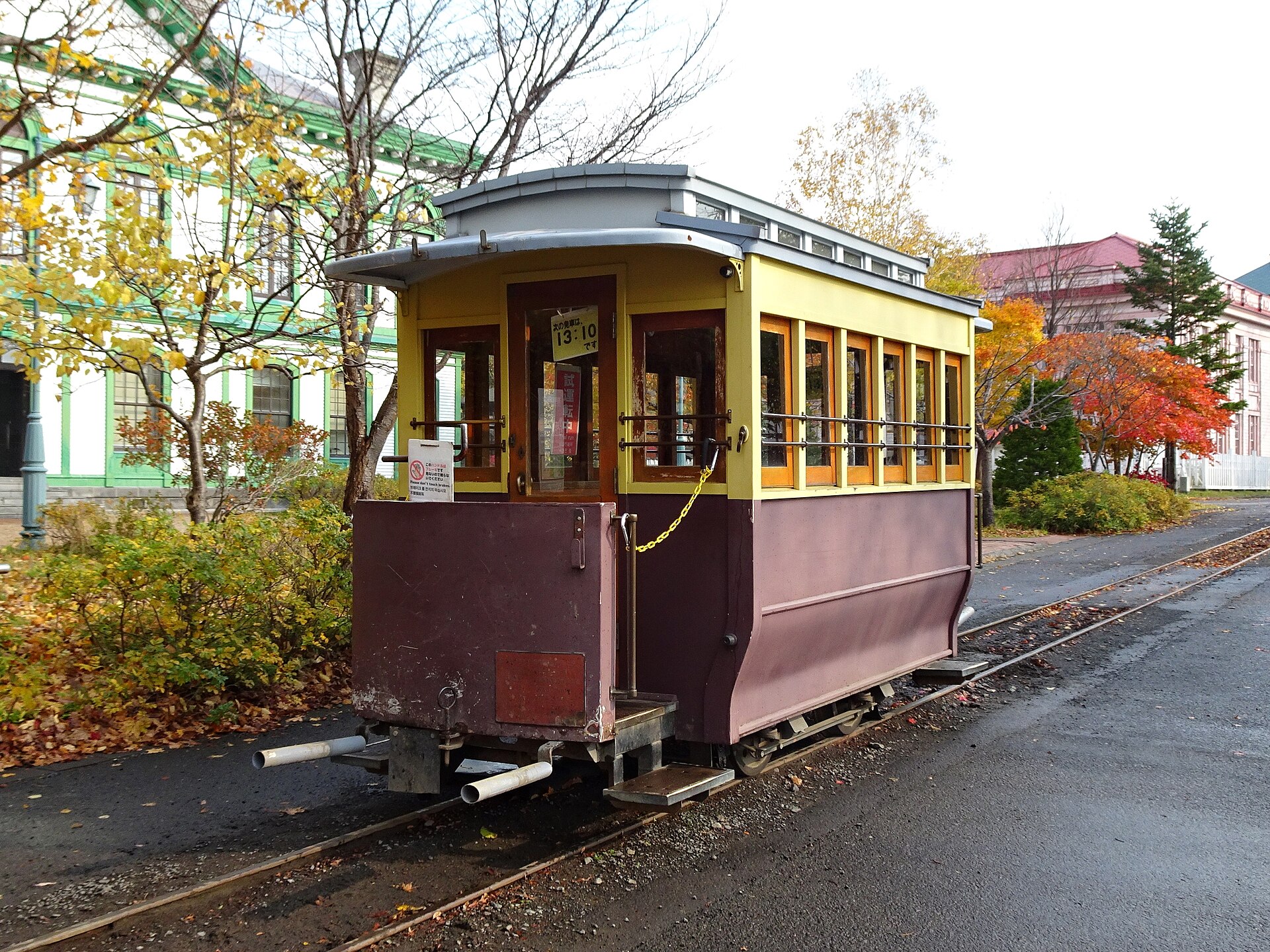
An open-air museum in a forest park east of Sapporo, where buildings from Hokkaido's settlement decades were reassembled as a working town, farm district, fishing hamlet and logging camp. A horse-drawn tram runs the main street through the warmer months.
- FromSapporo Station
- ~45 minJR or subway + bus
- Get off atKaitaku-no-Mura (JR Hokkaido Bus, Shin-22)
- From there
- Historical Village of Hokkaido
The sweet spot
This is a signed public museum on the Sapporo circuit, not a hidden spot. The difference is distance: the entrance and the urban street absorb most of a visit, and the farm and mountain groups at the back of the site are far enough in that many people never reach them.
Where it is
102 more notes in Hokkaido · open the map →What to look for — in walking order
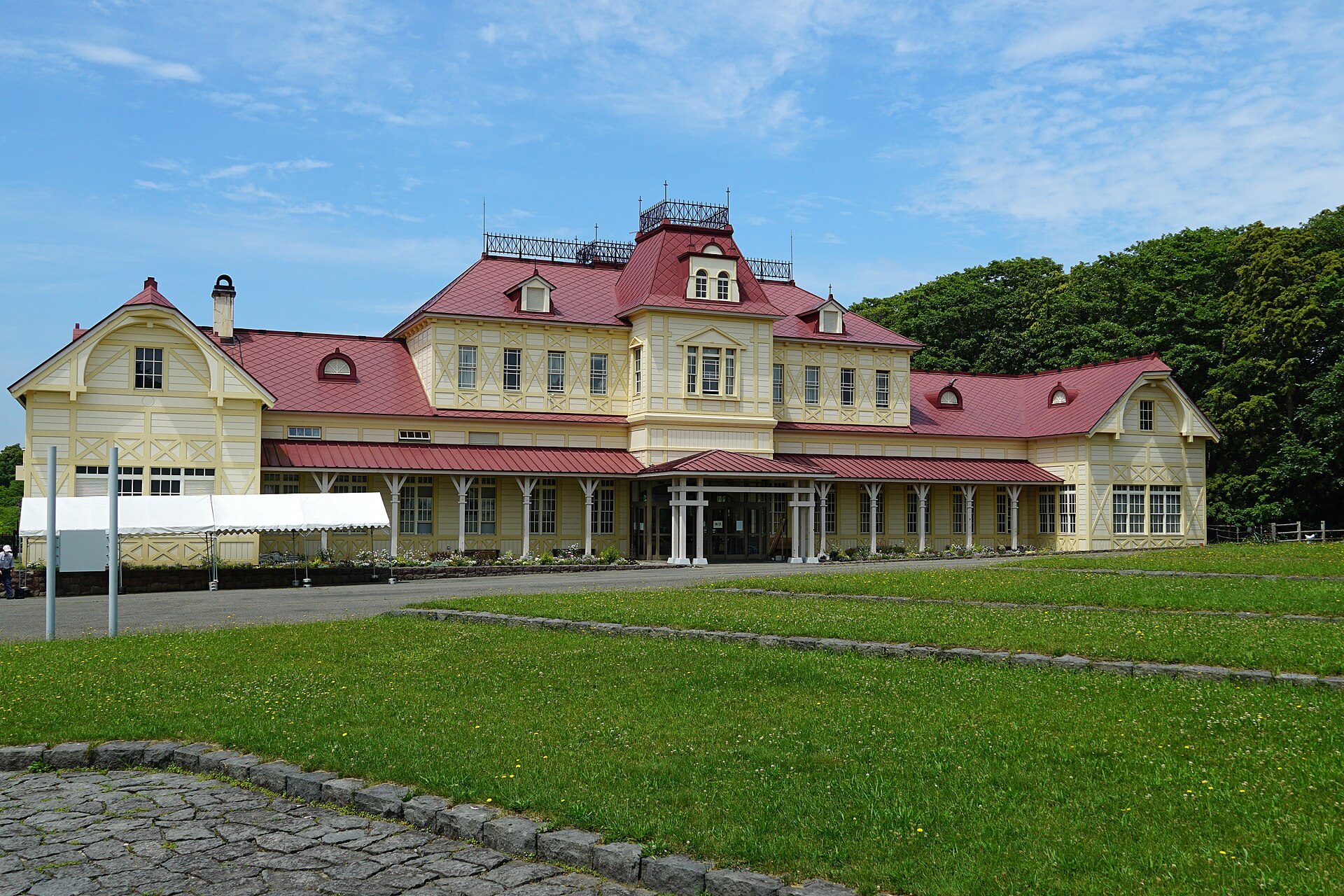
- The old Sapporo Stationthe entrance and administration building, an exterior reconstruction of the station that stood in central Sapporo
- The urban group main streeta broad street of offices, shops, a newspaper building and townhouses, with rails set into the road surface
- The horse-drawn trama wooden tramcar drawn along the main street by horse, replaced by a sleigh in winter
- The fishing groupdwellings and storehouses of fishing families, set apart from the town street
- The farm and mountain groupsfarmhouses, a shrine and outbuildings at the back of the site, with forest-railway and charcoal-burning structures beyond
How to actually get there
- Sapporo Station → Shin-Sapporo (JR Chitose Line rapid, or the subway Tozai Line to Shin-Sapporo).
- Shin-Sapporo Bus Terminal, North Lane Bay 10 → Kaitaku-no-Mura (JR Hokkaido Bus Shin-22, about 20 minutes).
- Enter through the old Sapporo Station building and walk the urban group's main street first.
- Ride the horse tram or sleigh, then carry on to the fishing, farm and mountain groups at the back of the site.
- Train to Shin-Sapporo, then the Shin-22 bus
- From Sapporo Station take a JR Chitose Line train to Shin-Sapporo; the subway Tozai Line also reaches Shin-Sapporo from the city centre. At Shin-Sapporo Bus Terminal go to the North Lane, Bay 10, and take the JR Hokkaido Bus Shin-22 to the Kaitaku-no-Mura terminus, about 20 minutes. Reckon on roughly 45 minutes door to door.
- Shin-22 back to Shin-Sapporo
- The same bus returns from the terminus at the gate. Note the departure times posted at the stop when you arrive and plan the walk around the bus you want, rather than the other way round. Shin-Sapporo has frequent trains and subway services back into central Sapporo.
About the place
The village takes up 54.2 hectares inside Nopporo Forest Park, on the eastern edge of Sapporo. Fifty-two buildings raised across the island between the Meiji era and the early Showa years were moved here or reconstructed, then arranged into four groups: an urban street, a farming district, a fishing hamlet and a mountain logging settlement. Roads and rails run between them, so the ground reads as a settlement rather than a row of exhibits. Interiors are open, and many keep the furniture, tools and machinery that belonged with the building. Scale is the thing to plan around, because the outer groups sit well back from the gate.
How to enjoy it
Hours run longer from May to September and shorten for the rest of the year, when the village also closes on Mondays, so check before planning a long visit. The tram operates from mid-April to the end of November and gives way to a horse sleigh on winter weekends and holidays. Allow at least half a day if you mean to reach the farm and mountain groups on foot.
Background & history
Hokkaido was settled late and quickly: its towns, ports and farmland were largely built from nothing after the Meiji Restoration, using imported technology and imported architecture. Most of that first generation of buildings had gone by the post-war decades. The village opened in 1983 to hold what could be saved, gathering examples from across the island onto one site — government offices, a newspaper building, shops, schools, temples, farmhouses and fishermen's dwellings. The entrance building belongs to the collection too: it reproduces the exterior of the station that once stood in central Sapporo.
Before you go
- Cash
- Admission is charged at the entrance, and the horse tram and the winter sleigh are ticketed separately inside the village. Rates and accepted payment methods are listed on the official site — read them before you travel.
- Before you go
- Outside the summer season the village closes on Mondays and shuts earlier in the day, and last entry falls before closing time. The streets and paths are open to the weather and the outer groups involve real distance, so footwear matters more than it looks. Snow lies on the streets from December through March.
- Another way
- The Shin-22 also calls at Shinrin-koen Station on the JR Chitose Line and at the Hokkaido Museum, one stop short of the village, so the two museums can be done on a single bus. Shinrin-koen Station is within walking distance if the bus timing is awkward.
- After you get off
- The bus terminates at the village gate, a few steps from the old Sapporo Station building that serves as the entrance. There is no connecting walk to speak of — the stop and the ticket window share the same forecourt.