Ome · IwakuraNo.155★Open in map →
Iwakura Onsen
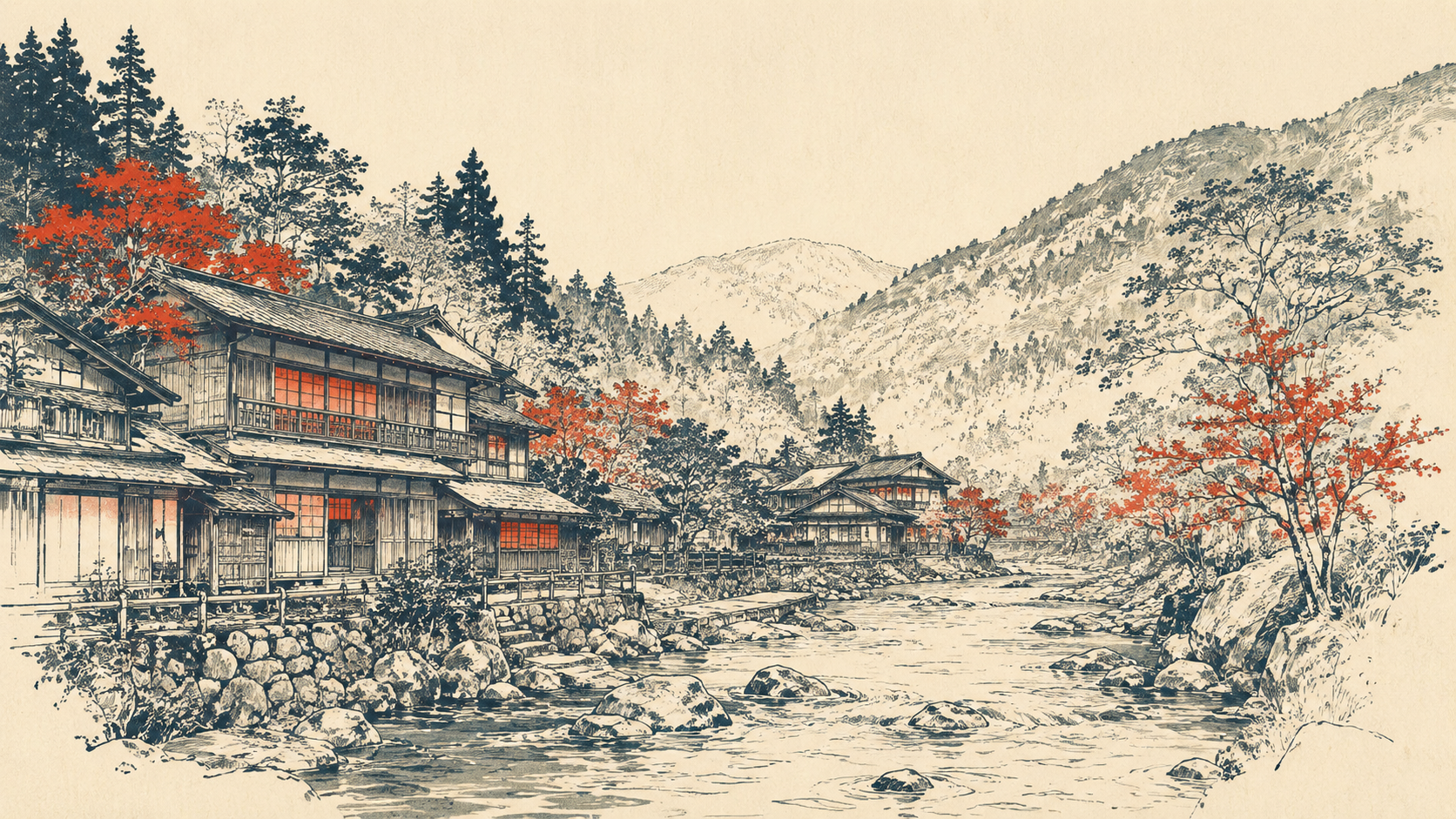
A small, centuries-old hot-spring hamlet in the Ome hills at Tokyo's western edge — said to be the only onsen village inside Tokyo. Today one historic inn keeps its bath going.
- FromShinjuku Stn
- ~90 mintrain + bus (infrequent)
- Get off atHigashi-Ome Station (JR Ome Line)
- From there
- Iwakura Onsen
The sweet spot
There is almost no English information about this place, and even Japanese day-trip lists rarely include it. The bus from the nearest station runs only a few times a day, so it stays off the usual tourist flow. The 'Tokyo's only onsen village' title is official, but the hamlet itself makes nothing of it.
Where it is
77 more notes in Tokyo · open the map →What to look for — in walking order
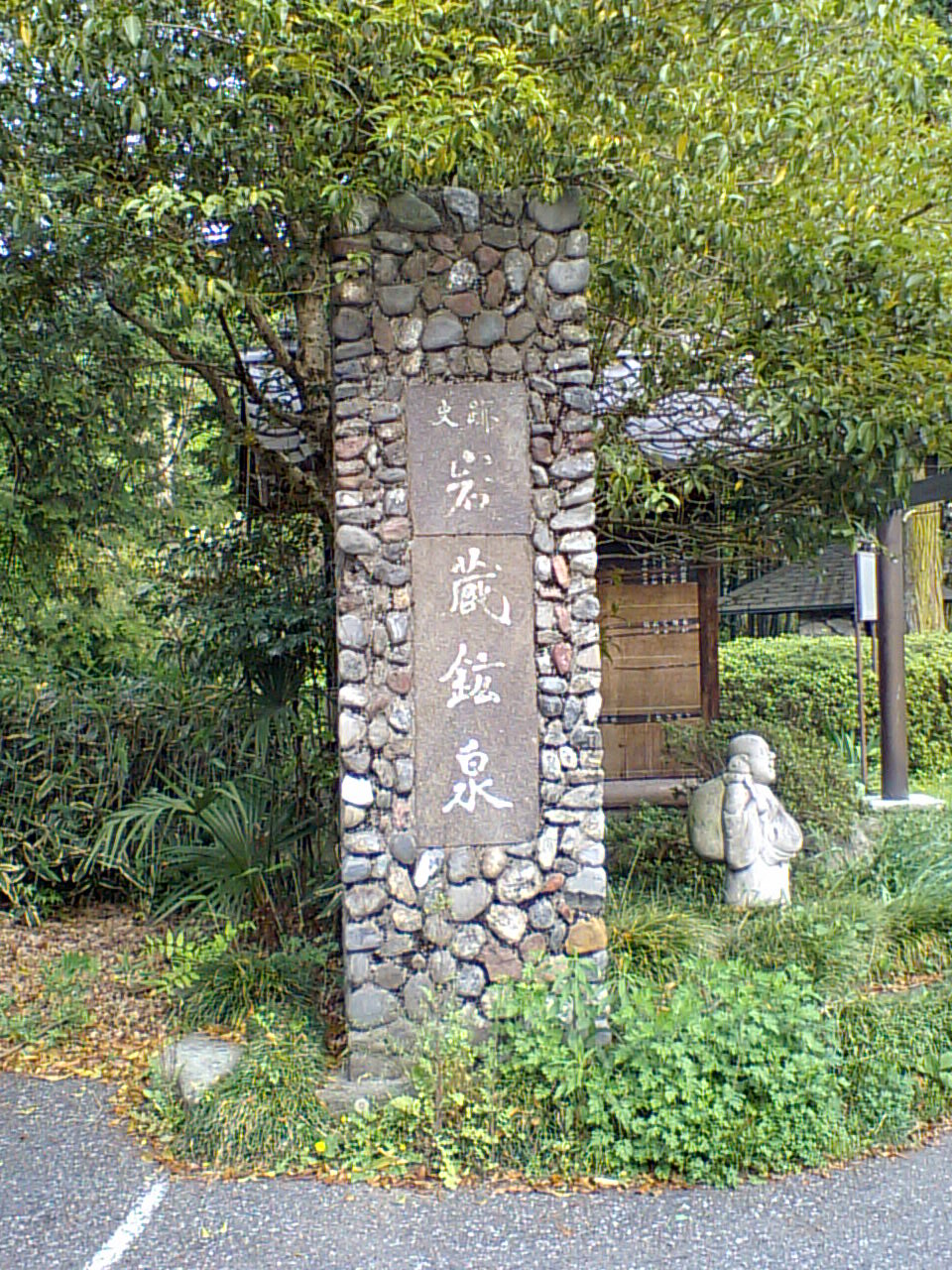
- Tokyo's only onsen villagethe one recorded hot-spring hamlet inside the metropolis, set in the Ome hills
- Mamadaya, the last inna century-old ryokan that alone keeps the once five-inn village running
- A cool mineral springmild source of about 20°C, heated before bathing, gentle rather than strongly sulphurous
- Yamato Takeru legendorigin tale of the 'purification waters' and the rock-storehouse name, from ancient Japanese myth
How to actually get there
- Shinjuku Stn → Tachikawa (JR Chuo Line rapid, ~40 min).
- Tachikawa → Higashi-Ome Stn (JR Ome Line, ~30 min).
- Higashi-Ome Stn → Iwakura Onsen stop (local bus, ~20 min).
- Iwakura Onsen stop → the inn (walk).
- JR train to Higashi-Ome, then a local bus
- Shinjuku Stn →(JR Chuo Line rapid, change at Tachikawa to the JR Ome Line, ~65-70 min)→ Higashi-Ome Stn →(local bus, ~20 min)→ Iwakura Onsen stop. Total about 90 min. The bus runs only a few times a day — check the day's timetable before you leave.
- Return the same way; buses are sparse
- Come back by the same bus and train. The bus to Higashi-Ome runs only a few times a day and finishes by early evening, so check the return times posted at the Iwakura Onsen stop as soon as you arrive.
About the place
Iwakura Onsen sits in the Kosogi district of Ome, in wooded foothills at Tokyo's western edge. You reach it by bus from Higashi-Ome Station, a town on the JR Ome Line in the valley below. Recorded as the only hot-spring village inside Tokyo, its water is a cool mineral spring: the source rises at about 20°C and is heated for bathing — mild and lightly mineral rather than strongly sulphurous. The place was once busier — five inns worked here at its peak — but the others closed over time. Today a single long-standing ryokan, Mamadaya, keeps the hamlet going. That quiet, one-inn present is the whole appeal: an old bathing hamlet in a country valley, still inside the capital's own boundary.
How to enjoy it
Come for the quiet, not for a resort. An overnight stay at the surviving inn is the natural way to experience it, and the surrounding satoyama hills invite a slow walk before or after the bath — an easy escape from central Tokyo without leaving the city's own boundary.
Background & history
The spring is traditionally said to be about 1,200 years old. Its founding legend ties it to Yamato Takeru, a hero-prince of ancient Japanese myth said to have purified himself here — hence the alternate name 'the misogi (ritual purification) waters.' The name Iwakura ('rock storehouse') links to armour said to have been stored in a recess in the rock nearby. The spring's reputation as a healing bath is recorded in Shinpen Musashi Fudoki Ko, an Edo-period (17th–19th century) regional gazetteer, which notes the waters as good for back pain, broken bones, and internal ailments. The surviving inn, Mamadaya, dates its founding to the Meiji era (late 19th century).
Before you go
- Cash
- The Toei and Seibu buses take IC cards (Suica/Pasmo). Rural inns can be cash-only for day bathing — carry some cash to be safe.
- Before you go
- The spring is a cool source heated at the inn, so bath temperature and facilities differ by establishment; check the inn's day-bathing hours before going.
- Another way
- Two operators run the ~20-min bus from Higashi-Ome: Toei Bus (Nariki loop) from the south side, and Seibu Bus (bound for Hanno Stn) from the north side. From Hanno Stn on the Seibu Ikebukuro Line you can also reach it by Seibu Bus, useful if coming from the west.
- After you get off
- From the Iwakura Onsen bus stop it is a short walk on a paved lane to the inn.