Tokyo Islands · OgasawaraNo.1044★★★Open in map →
Ogasawara Islands
— Tokyo's subtropical World Natural Heritage chain
A subtropical chain that belongs to Tokyo but sits far out in the Pacific, listed as a World Natural Heritage site for the way life evolved there in isolation. There is no airport: one passenger ship is the only link to the mainland.
- FromTokyo (Takeshiba Pier)
- ~24 hr by seaFerry only, no airport
- Get off atFutami Port, Chichijima (Ogasawara Maru)
- On foot
- Ogasawara Islands
Where it is
Open Tokyo in the map →What to look for — in walking order
- Ogasawara Visitor Centerfree displays on the islands' nature, history and endemic species, close to the pier
- Omura Beachthe swimming beach in front of the main settlement, on the same bay as the port
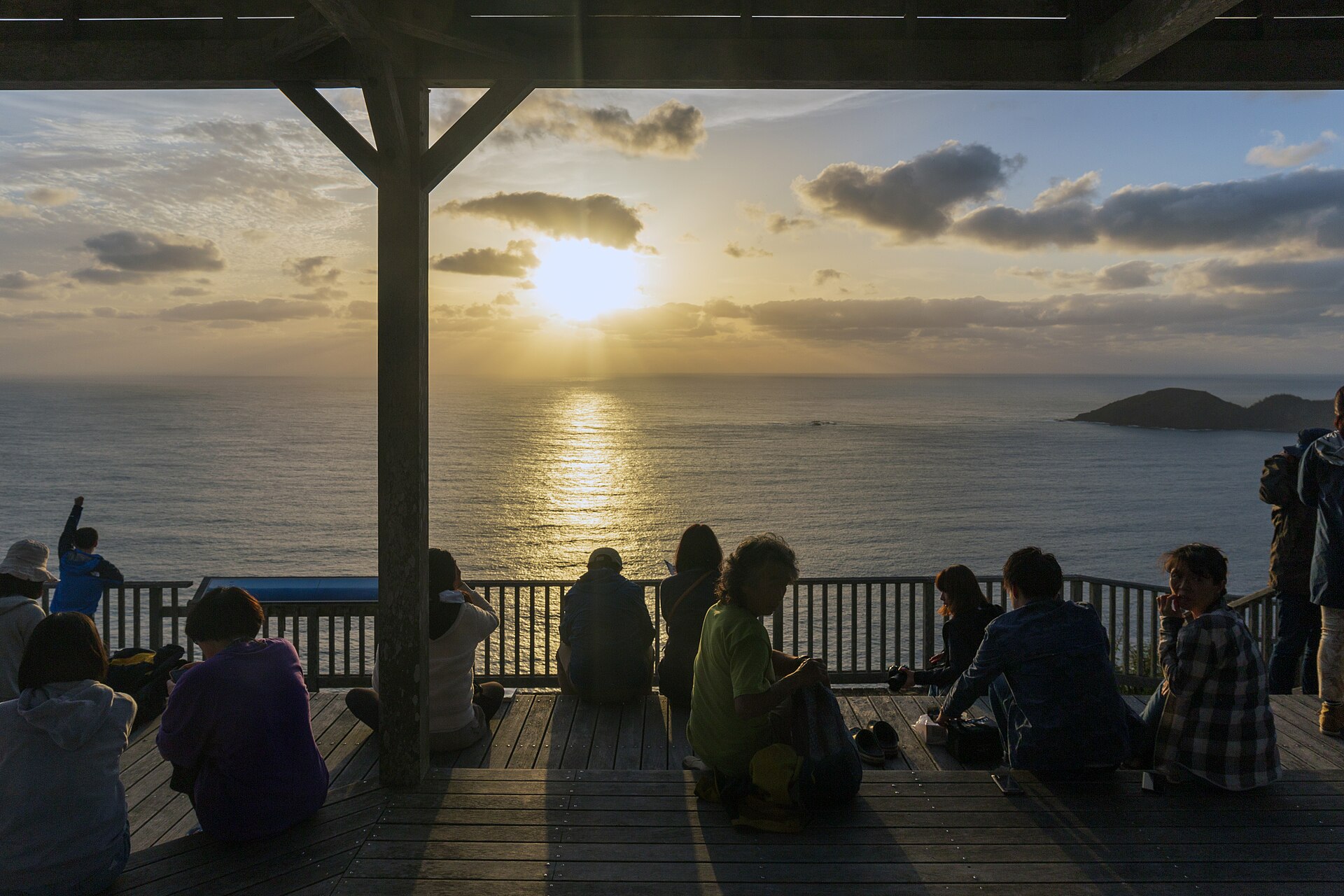
- Weather Station Observatorya sunset deck on the island's west side, also used for whale watching from land
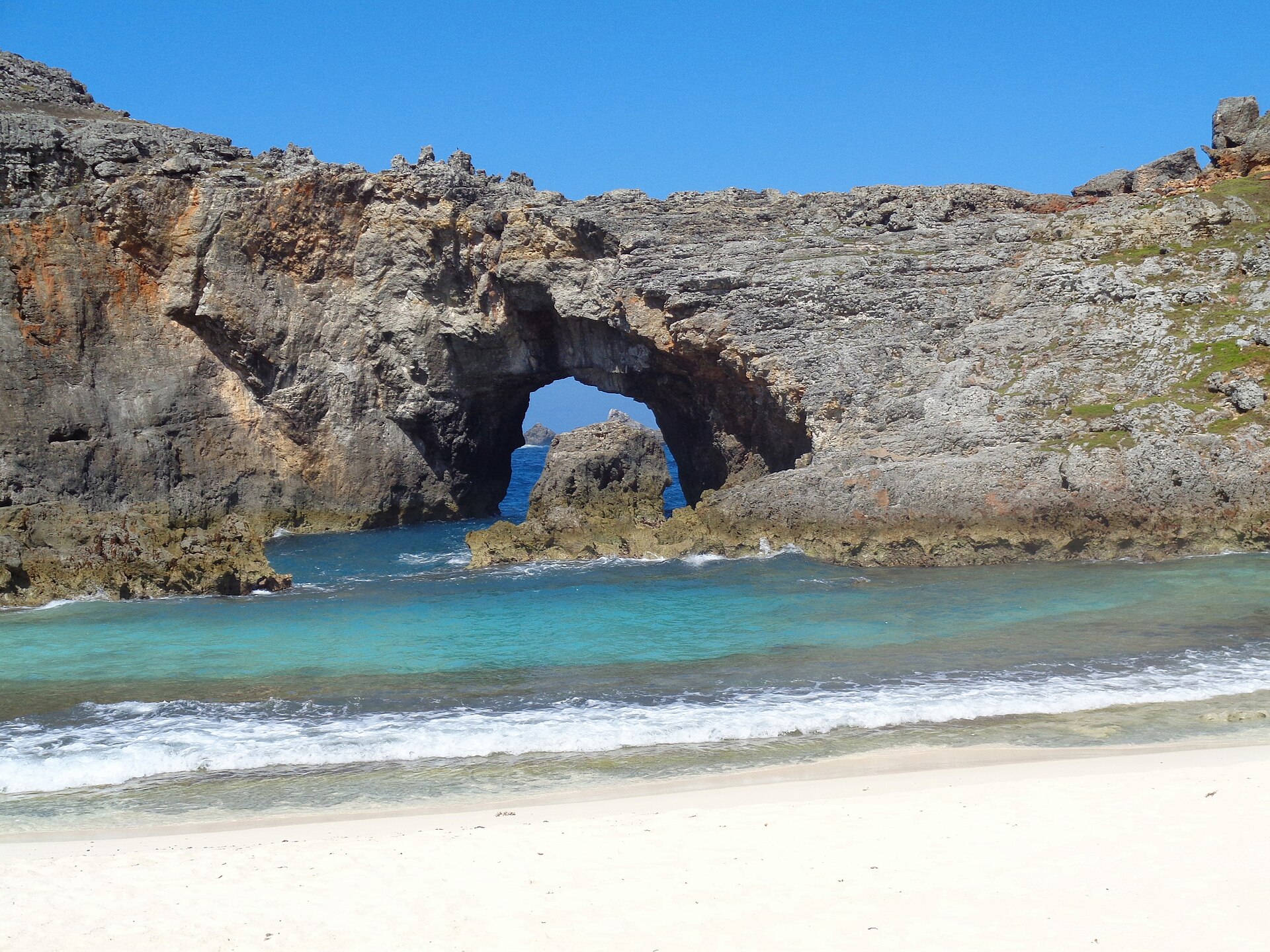
- Minamijimaan uninhabited limestone island entered only with a certified Tokyo nature guide
- Hahajimathe second inhabited island, reached by a smaller ferry from the same port
How to actually get there
- Hamamatsucho Station (north exit) → Takeshiba Passenger Terminal (walk about 8 min; about 1 min from Takeshiba Station on the Yurikamome line).
- Takeshiba Pier → Futami Port, Chichijima (Ogasawara Maru, about 24 hours).
- Futami Port → the Omura settlement and the Ogasawara Visitor Center (walk about 10 min).
- Chichijima → Hahajima (Hahajima Maru, a little over 2 hours) if the ship's stay in port allows it.
- Ogasawara Maru from Takeshiba Pier
- Tokyo (Takeshiba Pier) →(Ogasawara Maru, about 24 hours)→ Futami Port on Chichijima. At the time of checking, the ship left Tokyo at 11:00 and berthed the next morning at 11:00, with check-in from about 9:30. Sailings are every few days rather than daily and berths are booked in advance; fares differ by cabin class and by month, so read the operator's timetable page before you plan.
- Return from Futami Port
- The same ship leaves Futami Port at 15:00 and reaches Tokyo at 15:00 the following day. It normally stays three nights in port, so the length of your trip is fixed by the sailing pattern and cannot be shortened. Settle your return date when you book the outbound leg.
About the place
The Ogasawara group lies roughly 1,000 kilometres south of central Tokyo, yet it is governed as part of the metropolis. Some thirty islands make up the chain, and the World Heritage area covers about 7,900 hectares of them. These islands rose from the seabed and were never joined to any continent, so every living thing there descends from something that arrived by wind, current or wing. The isolation lasted long enough to turn those arrivals into species found nowhere else, and that process — still legible in the forest and in the land snails — is what UNESCO recognised. Only Chichijima and Hahajima are inhabited.
How to enjoy it
The crossing takes about twenty-four hours each way and the ship usually stays three nights, so the shape of a trip is set by the timetable rather than by you. Give the first afternoon to the visitor centre and the bay, then keep one evening clear for the sunset from the Weather Station deck. Whales are a winter-to-spring subject here and can be watched from the shore as well as from a boat.
Background & history
Nobody lived here until 1830, when a small mixed party of Westerners and Pacific Islanders settled on Chichijima. Charts of the day called the group the Bonin Islands, from the Japanese word for uninhabited. The islands came under United States administration after the war and were returned to Japan in 1968, which is when Ogasawara Village and the metropolitan branch office were established. UNESCO inscribed the group as a World Natural Heritage site in 2011.
Before you go
- Cash
- The visitor centre is free to enter. Ferry fares are set by the operator and vary by cabin class and season, so confirm them at booking rather than on the day. The islands are small and payment options are limited, so carry cash and agree how tours are paid for in advance.
- Before you go
- Sailings can be cancelled or brought forward by typhoons and heavy seas, most often from late summer into autumn. Landing on Minamijima is closed for part of the winter to protect the site, and even in season it is guided and capped.
- Another way
- From Chichijima, the smaller Hahajima Maru leaves the same port for Oki Port on Hahajima in a little over two hours. It is the only public route to the second inhabited island.
- After you get off
- From the passenger terminal at Futami Port, follow the waterfront into the Omura settlement. The visitor centre is about ten minutes away on flat streets.