North Nagasaki · HasamiNo.1219★★Open in map →
Hasami Porcelain Town
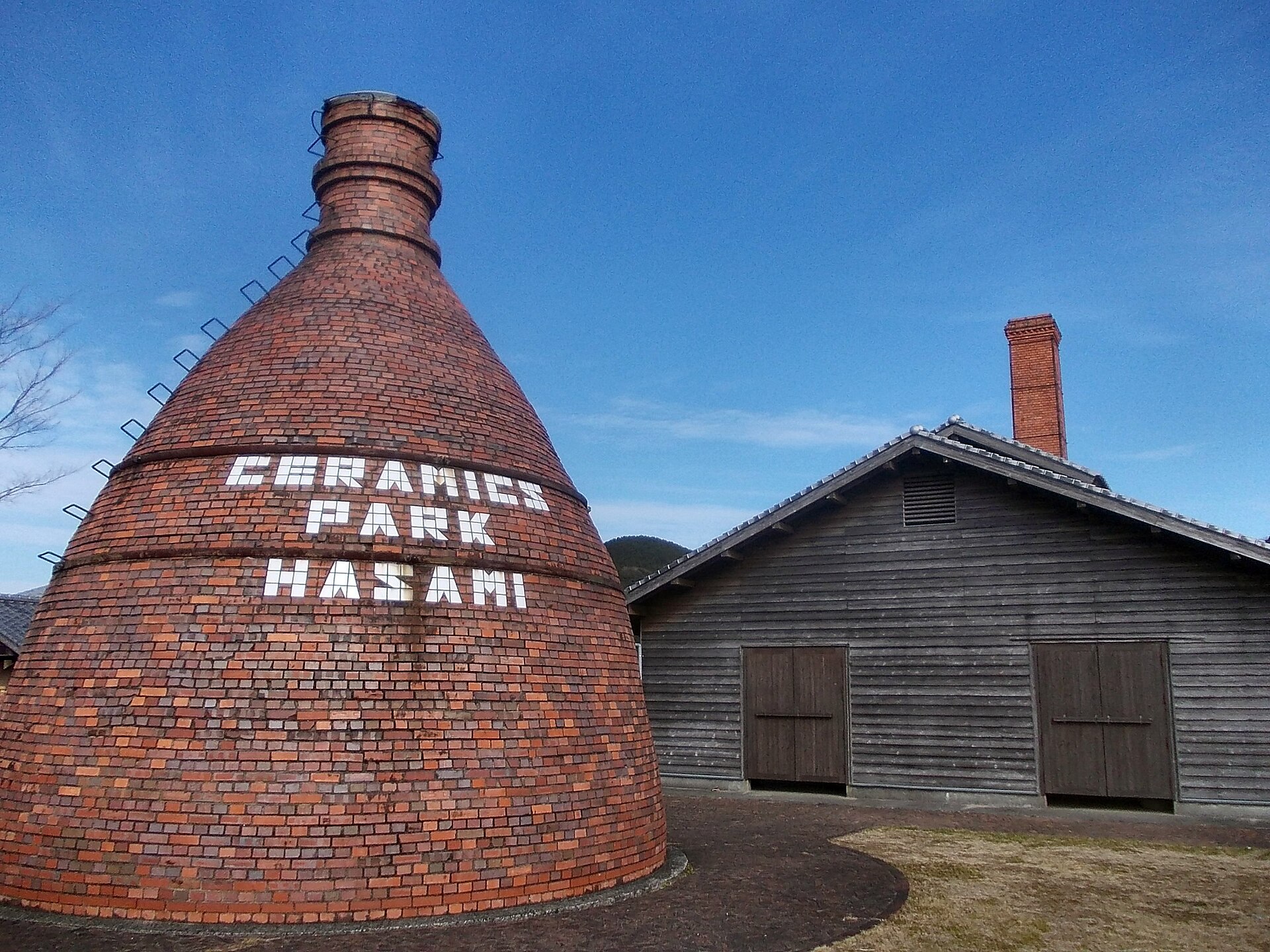
A porcelain town in northern Nagasaki with no station of its own and, for a long time, no name of its own either. A ceramics park with rebuilt kilns sits at one end of the valley; the working kiln village of Nakaoyama is up the road.
- FromSasebo Station
- ~1 hJR to Mikawachi, then a local bus
- Get off atMikawachi Station (JR Sasebo Line)
- From there
- Hasami Porcelain Town
The sweet spot
Hasami is not a hidden place — its ware is sold all over Japan. What stayed hidden was the name. The town has no station, its pieces left the region through Arita's, and for generations they were sold as Arita or Imari ware; the Hasami label is a recent thing. Easy by road and awkward by rail, it is still a town most people pass rather than enter.
Where it is
20 more notes in Nagasaki · open the map →What to look for
- Kilns of the Worldan open-air museum on the park hillside with 12 kilns from across the world rebuilt full size
- Tougei-no-Yakatathe town's visitor centre, with a display floor upstairs and local ware on the ground floor
- Hasami Town Auditoriuma timber assembly hall from the early Showa years, registered as a national cultural property
- Nishi-no-Harathe yard and sheds of a former porcelain works, kept and put back to use, west of the park
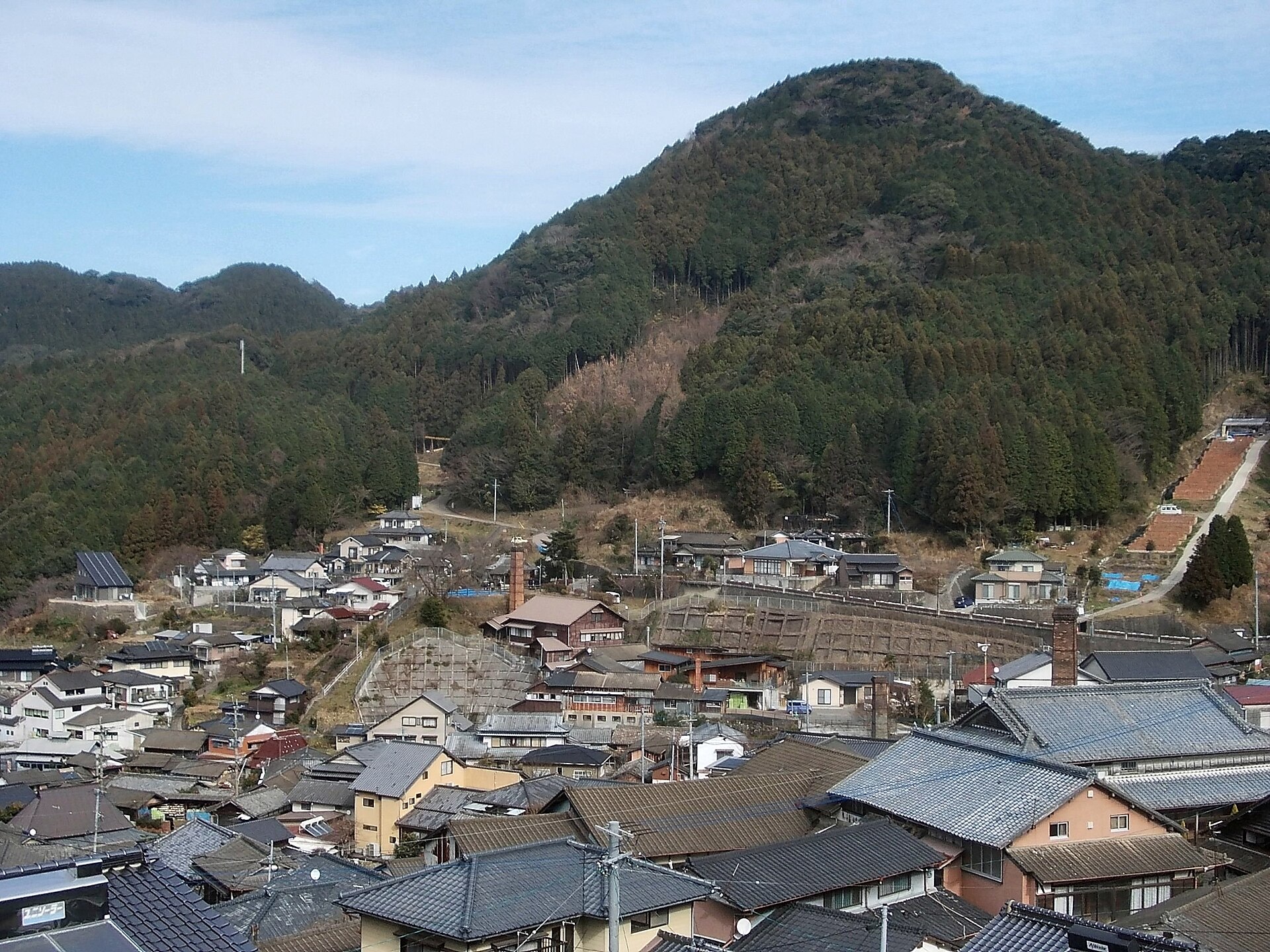
- Nakaoyama kiln villagea valley of kilns up the road, brick chimneys between the houses and kiln ruins on the slope
How to actually get there
- Sasebo Station → Mikawachi Station (JR Sasebo Line).
- Mikawachi Station → Hasami by local bus, about 15 minutes; get off at the ceramics park.
- Walk the park, the visitor centre and the old town auditorium, then continue a few minutes west to Nishi-no-Hara.
- Go about 10 minutes up the valley by taxi or car to Nakaoyama, then return the same way.
- JR to Mikawachi, then the bus
- From Sasebo the JR Sasebo Line runs inland to Mikawachi, itself a porcelain town. A local bus from the station reaches Hasami in about fifteen minutes. There is a stop called Yakimono-Koen-mae at the ceramics park, so check which service calls there before you board. Buses are not frequent.
- Getting back
- The same route runs back towards Mikawachi and some services continue through to Sasebo Station. Rural buses thin out sharply in the evening, so fix your return before you start walking. Miss the last one and the nearest railway station is a long way off.
About the place
Hasami is a valley town with no railway station of its own. Porcelain here was never made for display: it was the cheap, sturdy blue-and-white ware that ordinary households ate off every day. To make enough of it the kilns grew absurdly long — the ruin on the slope above Nakaoyama climbs roughly 160 metres in 33 firing chambers. Five old kiln sites and two related sites, including the stone quarry that fed them, are protected together as a national historic site. The town's own ceramics park sits at the other end of the valley, on the flat, and is the easiest place to start.
How to enjoy it
The kiln ground on the hill is open all year and free to look round. The visitor centre below it keeps daytime hours, so start there and pick up a map. Nakaoyama is about ten minutes further up the road by car or taxi and is the part worth not skipping; on the first weekend of April the kilns there open their doors for the valley's cherry-and-pottery festival.
Background & history
At the very end of the sixteenth century, potters brought back from the Korean peninsula by the lord of Omura built stepped climbing kilns in the Muraki district. What came out of them was kurawanka ware — thick everyday bowls with a pattern brushed on in a few strokes — and compra bottles, squat jars of soy sauce and sake that left Nagasaki for Europe and the Dutch East Indies. By the late Edo period Hasami was firing more porcelain than anywhere else in the country. The design changed; the job never did.
Before you go
- Cash
- The park and the open-air kilns on the hill cost nothing to see. Buying pottery is the only real expense here. Carry cash for the bus and for the smaller places up the valley.
- Before you go
- The kilns on the hill are open ground with little shade. Nakaoyama is a working neighbourhood rather than an attraction — the lanes are narrow, people live and work there, and parking is limited to the marked lots. Two festival weekends a year fill the valley completely.
- Another way
- By road the town is five minutes from the Hasami-Arita interchange and about fifteen from the Ureshino interchange, which drops it neatly onto a drive between Arita's porcelain streets and Ureshino's hot springs. From Arita Station a taxi takes about ten minutes.
- After you get off
- Mikawachi is the nearest railway station, but Hasami lies over the ridge from it and not within walking distance — take the bus or a taxi. Once you are at the ceramics park, everything except Nakaoyama is within a few hundred metres on flat ground.