Hyōgo · Minami-AwajiNo.1150★★Open in map →
Awaji Island Onions
— tasted at the hilltop hall above Naruto Strait
The island's signature crop, met at a hilltop hall above the Naruto Strait rather than in the farmland that grows it. Onions turn up here cooked, boxed, sold by the net, and built into a sculpture at the front door.
- FromSannomiya Station (Kobe)
- ~2 hrexpress bus + free shuttle
- Get off atFukura Bus Terminal (Shinki Bus / Awaji Kotsu / Honshi Bus express)
- From there
- Awaji Island Onions
The sweet spot
Awaji onions are not a secret — they are a national brand with a burger chain of their own. What is genuinely hard is finding somewhere to meet them, because the fields and sheds that make them are someone's workplace. This hall is the part of the story that was built to be walked into.
Where it is
4 more notes in Hyogo · open the map →What to look for — in walking order
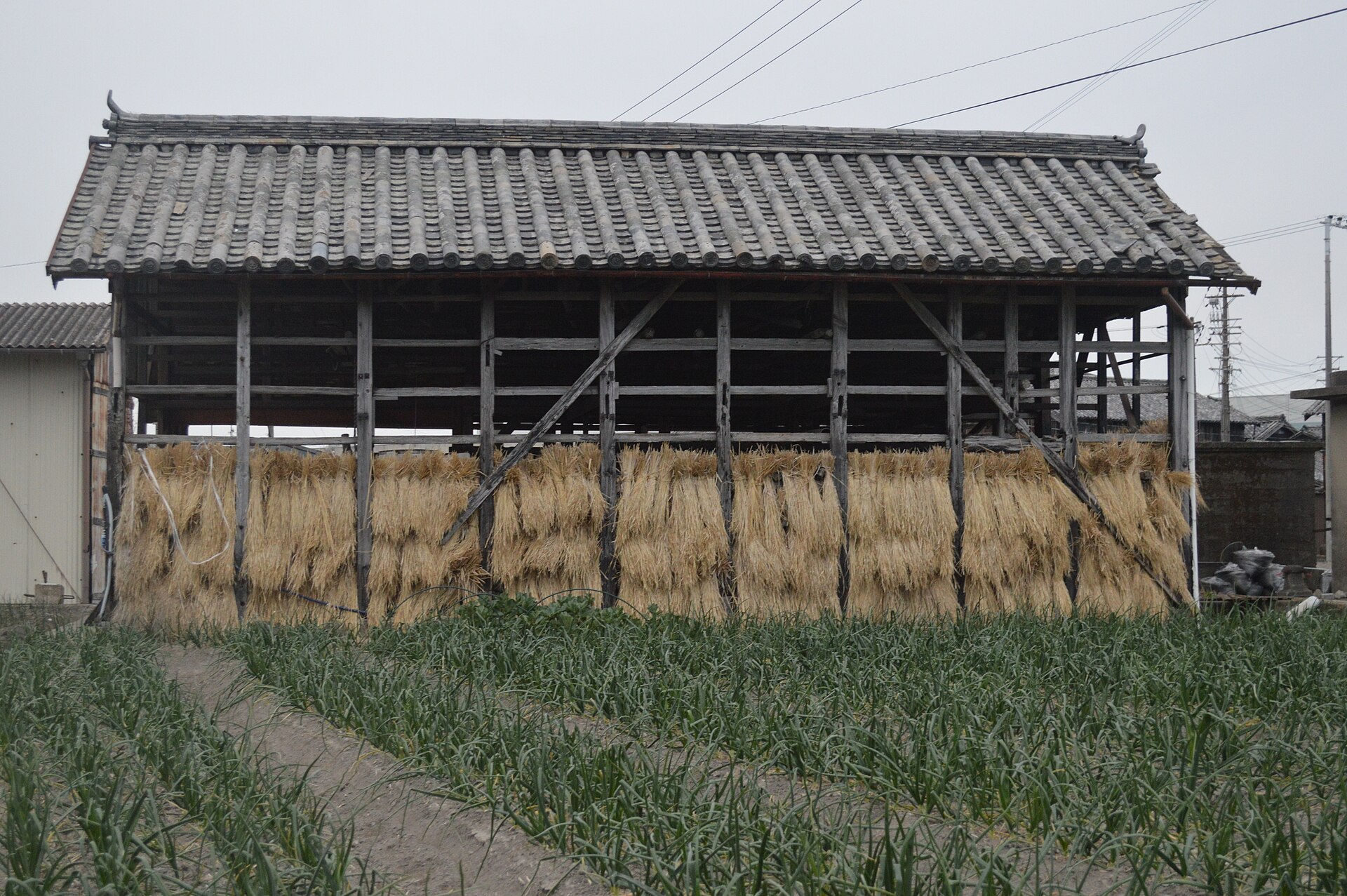
- Onion sheds on the Mihara plainopen-sided wooden sheds along the bus route, hung with drying bulbs through early summer
- Ottamanegia giant onion at the entrance, 2.5 metres tall, 2.8 metres across and about 200 kilograms
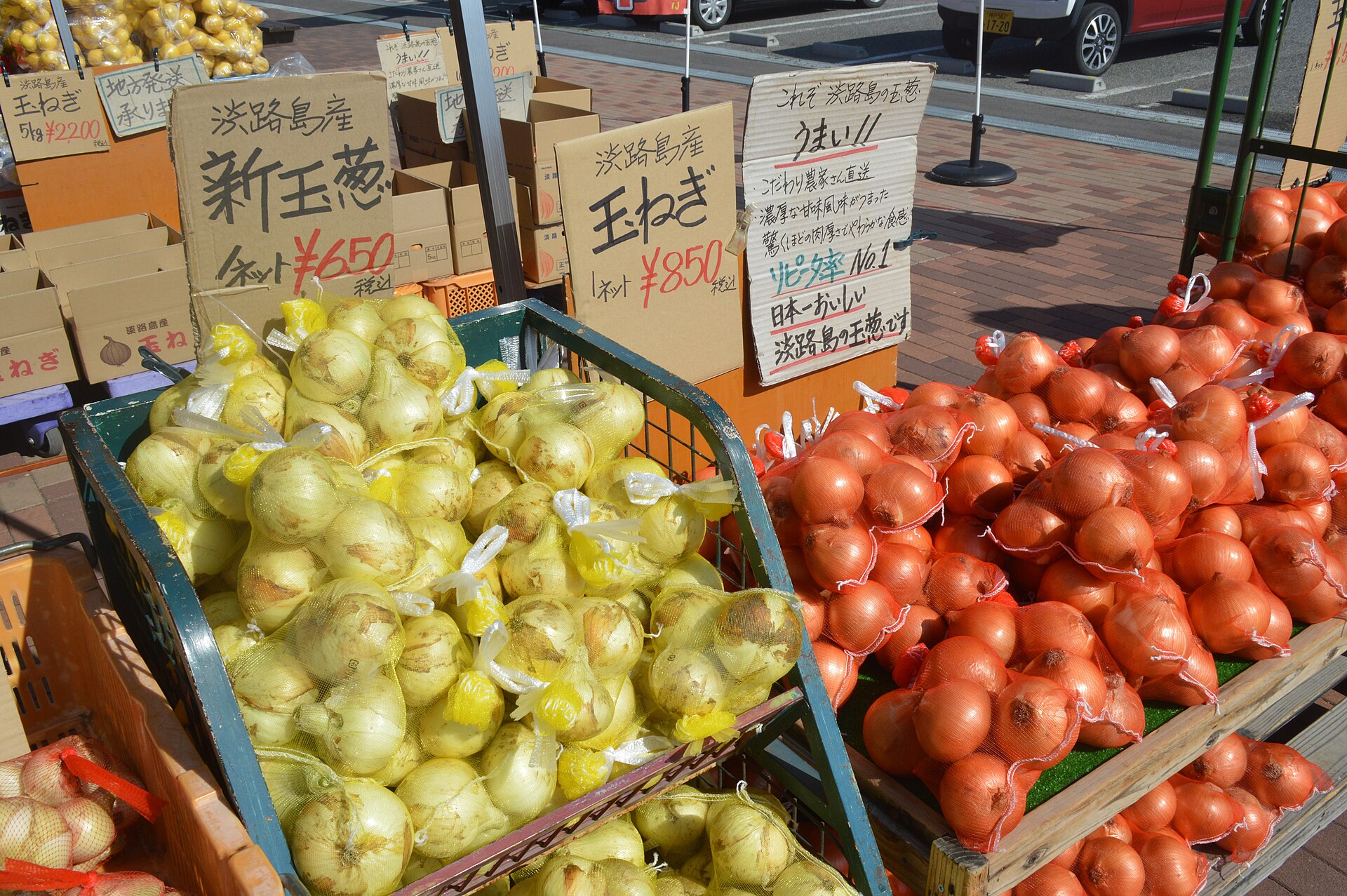
- Shop Uzunokunithe island-produce counter, where onions are sold by the net alongside other island goods
- Awajishima Onion Kitchenthe burger counter inside the hall, built around the island's own onions
- Rooftop observation decka free open deck with the Onaruto Bridge and the strait spread out below
How to actually get there
- Sannomiya Bus Terminal → Fukura (Shinki Bus / Awaji Kotsu / Honshi Bus express, roughly an hour and a half, no booking).
- Fukura Uzushio Cruise pier stop → Uzu no Oka (free UZU LOOP shuttle — check the timetable before you set out).
- Work through the hall from the giant onion outside to the shop, the burger counter and the rooftop deck.
- Take the shuttle back down to Fukura, then the express bus home.
- Sannomiya to Fukura by express bus
- From Kobe Sannomiya Bus Terminal, the joint express service run by Shinki Bus, Awaji Kotsu and Honshi Bus goes down the island to Fukura in roughly an hour and a half. No reservation is needed — you board at the front and pay as you get off. From Fukura, the free UZU LOOP shuttle climbs to the hall.
- Shuttle and express bus back
- The UZU LOOP shuttle is the return leg as well, but it makes only a handful of runs a day in each direction, so photograph the timetable at the stop when you arrive. Express buses from Fukura back to Sannomiya run on into the evening. If the shuttle times do not fit, a taxi covers the same short stretch.
About the place
Awaji's onions grow on the Mihara plain in the south of the island, where paddies that carry rice in summer are turned over to onions for the colder half of the year. The bulbs are left to finish in the field, then hung in open-sided wooden sheds so the sea wind dries them slowly. Total sugar content of roughly nine to ten per cent is the figure growers point to when they explain why the taste lands sweet rather than sharp. All of that happens on private ground, which is why the crop is easier to eat than to see. Uzu no Oka is the public counter where the same onions come back cooked and boxed.
How to enjoy it
The hall runs from 9:00 to 17:00, with individual counters keeping shorter hours inside that window, so arriving before noon leaves time to eat, shop and take in the rooftop on one visit. Pair it with the whirlpools, which run on the tide from Fukura down the hill — look up the day's tide window first and fit the hall around it. Late spring into early summer is when the sheds fill and the new-crop onions reach the counters.
Background & history
Onions reached the island in the Meiji period, when imported seed was trialled in what is now Minami-Awaji, and commercial growing took hold over the decades that followed. The hall on the hill came much later. It opened in 1985, the same year the Onaruto Bridge carried its first traffic across the strait below, and it was built as a memorial to that bridge. The onion theme grew on top of the bridge story afterwards.
Before you go
- Cash
- Entering the hall costs nothing and the rooftop deck is free; the Uzushio Science Museum inside charges separately at its own counter. The UZU LOOP shuttle is free and takes no booking. The express bus needs no booking either and is paid on board as you get off.
- Before you go
- The hall closes on Tuesdays, with public holidays worked around, and shuts for the turn of the year. Counters inside keep their own shorter hours, so last food orders come well before the building closes.
- Another way
- By car it is a short run up from the Awajishima-Minami interchange, with free parking at the door, which is how most Japanese visitors arrive. The same free shuttle also calls at Michi-no-Eki Uzushio further along the ridge — another public stop with onion food and a view of the strait.
- After you get off
- From Fukura, walk to the Uzushio Cruise pier stop beside Michi-no-Eki Fukura and board the free UZU LOOP shuttle; Uzu no Oka is one of its calls, at the top of the hill. Walking is not realistic — the hall sits a few kilometres west of the port and uphill most of the way.