South Nagano · KomaganeNo.777★★Open in map →
Senjojiki Cirque
— A glacier's bowl in the Central Alps, entered by ropeway
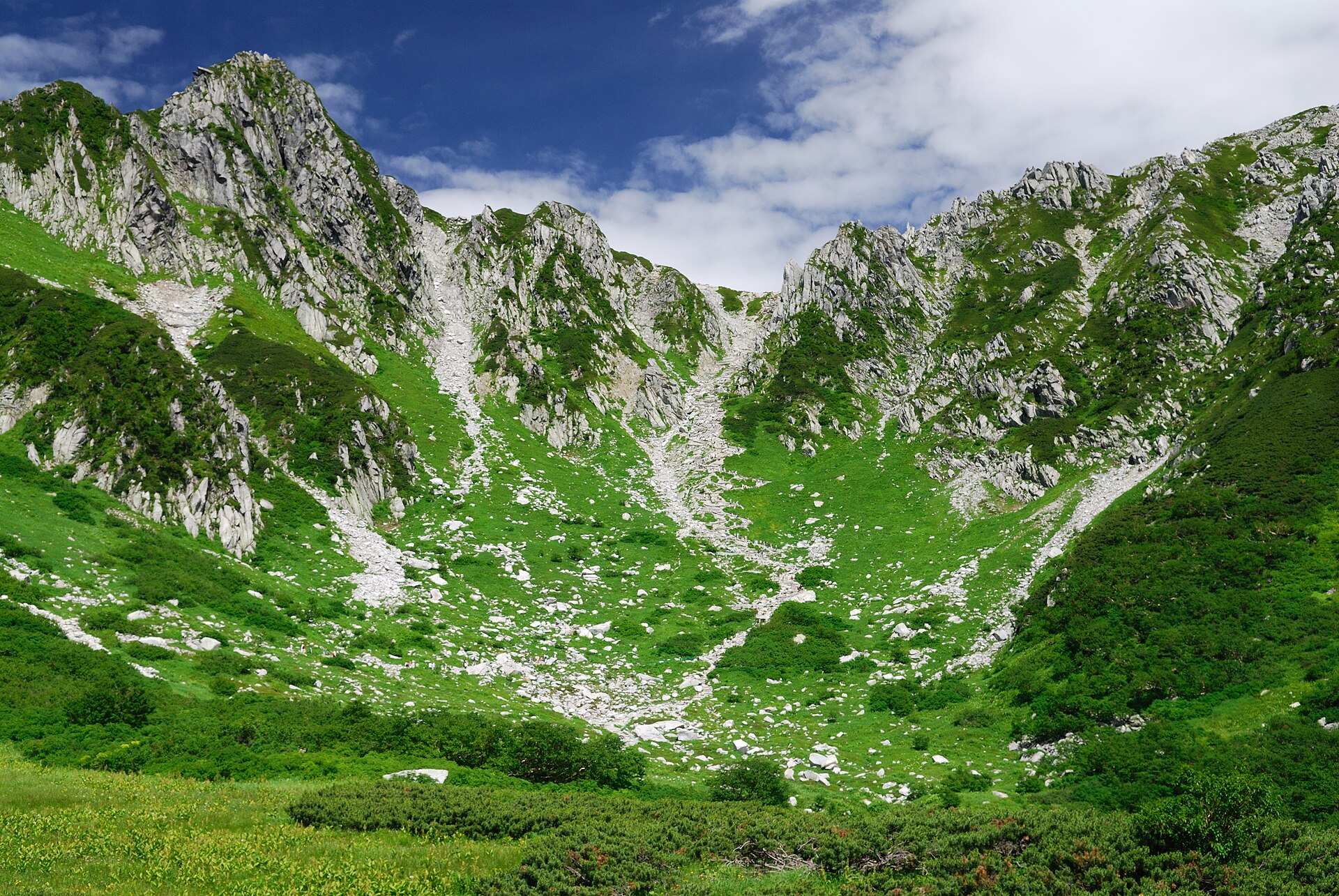
A glacier-cut bowl beneath Mount Hōken in the Central Alps, with a ropeway station standing on its floor. A level boardwalk loops the basin, so the alpine zone is reachable without a climb — and without much warning about the cold.
- FromKomagane Station
- ~1 hrMountain bus, then the Komagatake Ropeway
- Get off atShirabidaira (Komagatake Ropeway base station)
- From there
- Senjojiki Cirque
The sweet spot
Senjojiki is not obscure. It is one of the headline sights of the Central Alps and the ropeway queues on autumn weekends. The non-obvious part is what the place quietly asks of you. Because there is no climb, people arrive dressed for the valley and step out into air that belongs to another season, which is why the tourism association's own advice is layers you can take on and off. Treat the loop as a walk in the high mountains that happens to have a station attached, and it works.
Where it is
27 more notes in Nagano · open the map →What to look for — in walking order
- Senjōjiki Stationthe ropeway terminal and hotel on the lip of the bowl, with the observation deck straight out of the door
- The boardwalk loopa level circuit laid across the basin floor to keep boots off the alpine turf
- The cirque wallsthe ground-back rock faces ringing the basin, with snow held in the gullies well into summer
- Mount Hōkenthe sharp rock peak standing directly above the head of the bowl
- The path up to Norikoshi-jōdothe steep line up the far wall, where the walk stops being a boardwalk and becomes a climb
How to actually get there
- Komagane Station → Suganodai bus centre → Shirabidaira by mountain bus.
- Ropeway from Shirabidaira up to Senjōjiki Station.
- Out onto the observation deck, then round the boardwalk loop.
- Back down on the same ropeway — join the queue earlier than feels necessary.
- Komagane Station and the mountain bus
- Komagane Station on the JR Iida Line → the bus up the Komagatake road to Shirabidaira, the ropeway's base station. Private cars are stopped below: you leave the car at the Suganodai bus centre and change there, so everyone reaches the mountain on the same bus. From Shirabidaira the ropeway is the only way up.
- Back down to Komagane
- Down is the same ropeway and the same bus, and both have a last departure earlier than a summer evening feels. The bottleneck is the ropeway: on busy days there is a wait for a car down as well as up, so start back with more margin than the timetable suggests.
About the place
The bowl sits directly under Mount Hōken in the Kiso range, and its floor is flat where the rest of the mountain is anything but — ice ground it level and left the walls standing round it. Senjōjiki Station opens onto that floor at 2,612 metres, the highest railway station in Japan once ropeways are counted in. The line climbs 950 metres to get there, the largest vertical gain of any ropeway in the country. What that produces is unusual: an alpine environment with a door in it. Snow, bare rock and alpine flowers begin at the threshold instead of after a day on foot.
How to enjoy it
The ropeway takes about seven and a half minutes and the loop about forty-five, so the whole thing fits inside a morning — and that is the trap, because the queue at the base can outlast both. Come early on autumn weekends. Bring one layer more than you think you need: the difference between the valley and the platform is enough to change the season, and there is nothing to buy along the circuit. If you want to go higher, the climb to Norikoshi-jōdo leaves from the far side of the basin and is a different undertaking altogether — proper boots, and the forecast read first.
Background & history
The bowl was cut during the last ice age. Ice filling the head of the valley ground the floor flat and steepened the walls, and dating of the rock surfaces puts that work at roughly twenty thousand years ago; moraines left below the basin mark how far down the ice once reached. People arrived far later, and by machine. The ropeway opened in July 1967, and because it climbs out of a valley with no road at the top, the mountain went from a long walk to an afternoon in a single step. The station at the top has been the country's highest ever since.
Before you go
- Cash
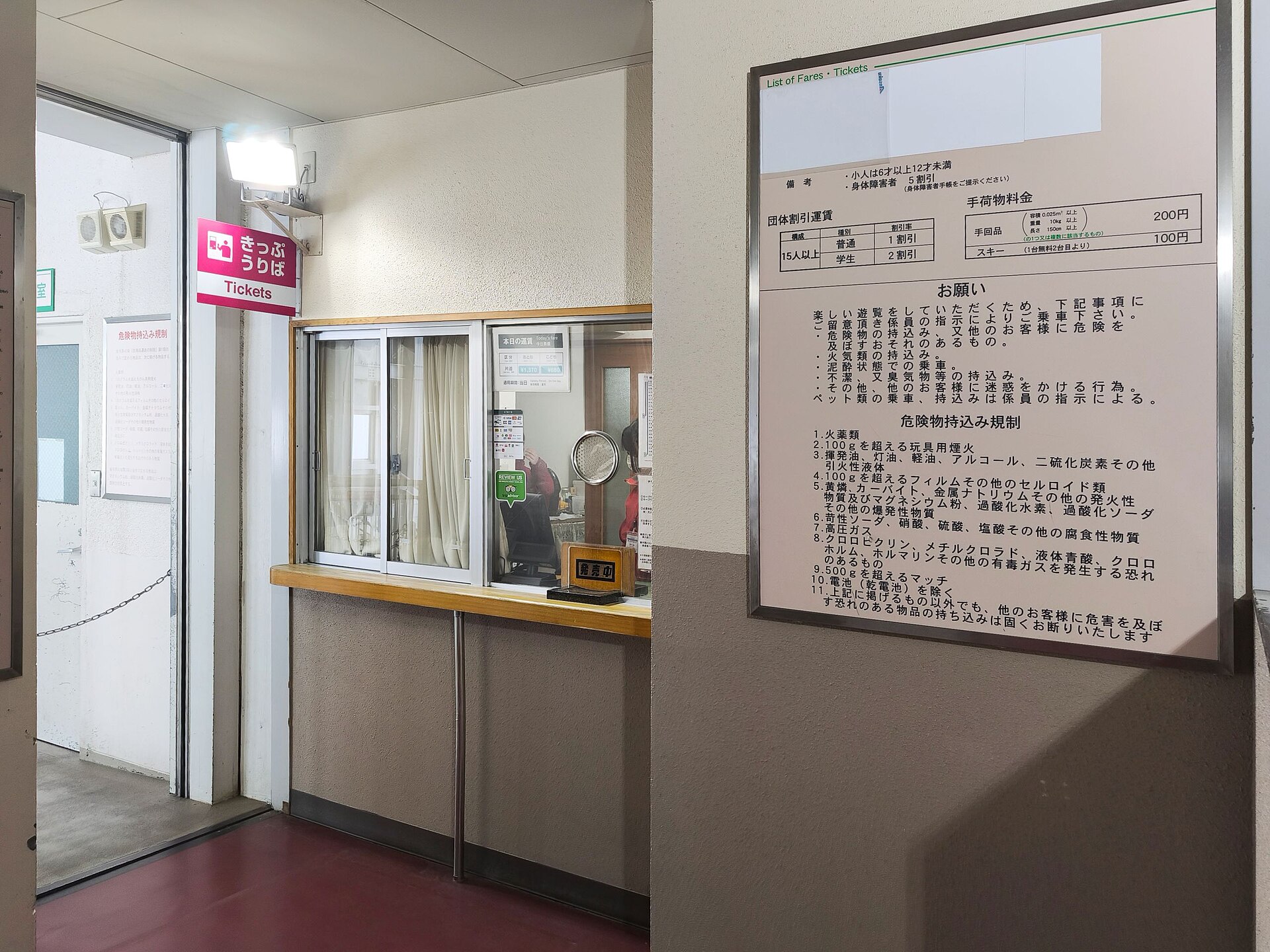
- Tickets combine the bus and the ropeway and are bought at the bottom rather than on the mountain; fares are published by the operator and change, so check on the day. Parking at Suganodai is paid separately. There is a hotel and a place to eat at the top, but arriving expecting to resupply is not the plan to make.
- Before you go
- The ropeway runs year-round but stops for wind, and it shuts for inspection periods announced in advance. Snow lies in the basin far into the season and the boardwalk can be under it in early summer. In winter the bowl is avalanche terrain, so the marked circuit is not a suggestion.
- Another way
- By car the road ends at the Suganodai bus centre, where there is parking and where the mountain road above is closed to private vehicles. That makes a car useful for reaching Komagane early in the day and useless above it.
- After you get off
- Shirabidaira is a bus turnaround and a ropeway door and very little else — you step off the bus and join the line for the car. At the top the boardwalk begins within sight of the station exit, so there is no approach walk at either end. All of the walking happens on the floor of the bowl.