Sapporo · SusukinoNo.446★★★Open in map →
Sapporo Miso Ramen
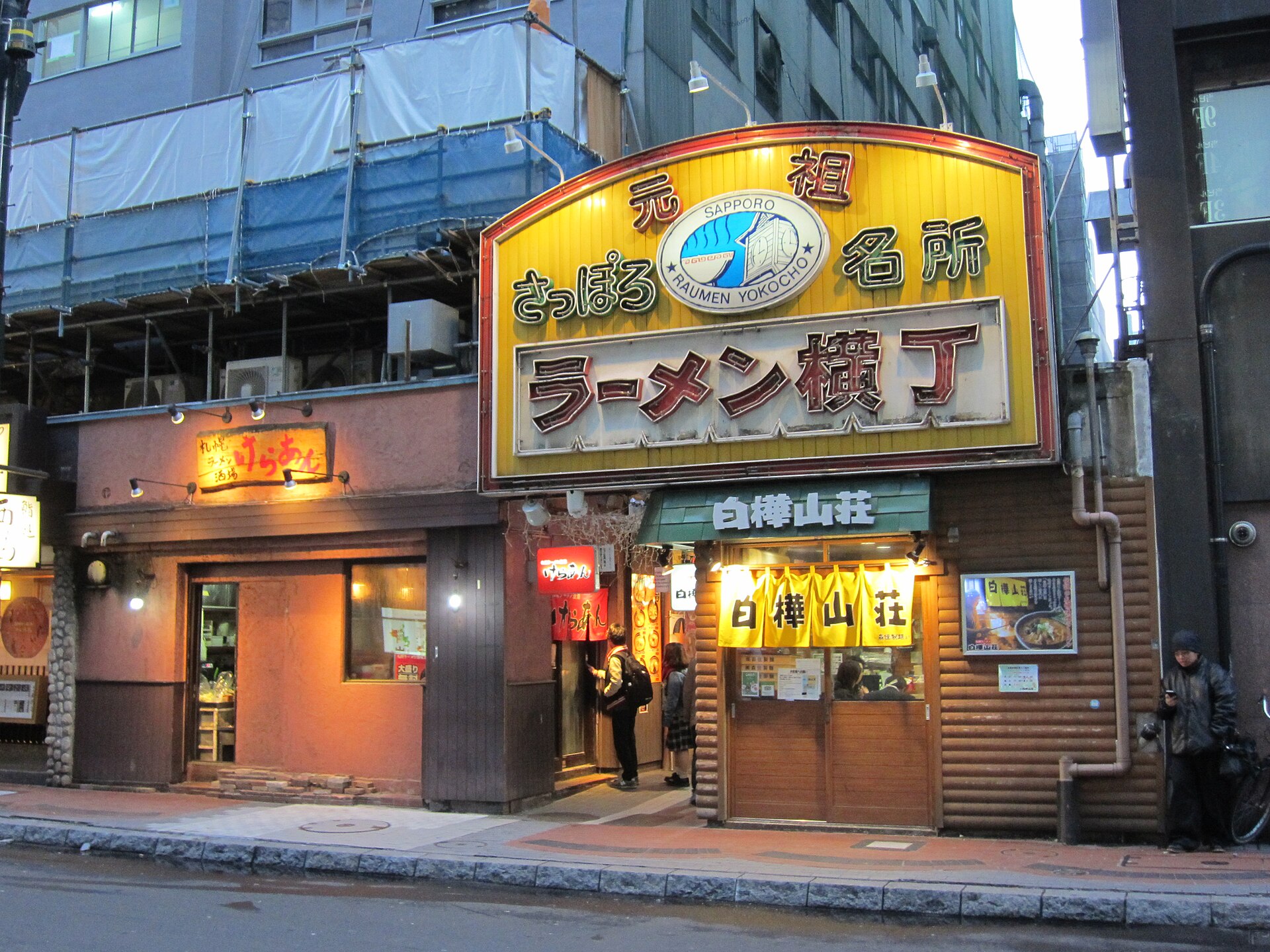
A narrow lane in Susukino where ramen kitchens face each other, each with its own broth. Miso is the bowl Sapporo gave the country, and this is the simplest place in the city to walk up and order one.
- FromSapporo Station
- ~10 minNamboku Subway Line
- Get off atSusukino Station (Namboku Subway Line)
- On foot
- Sapporo Miso Ramen
Where it is
102 more notes in Hokkaido · open the map →What to look for — in walking order
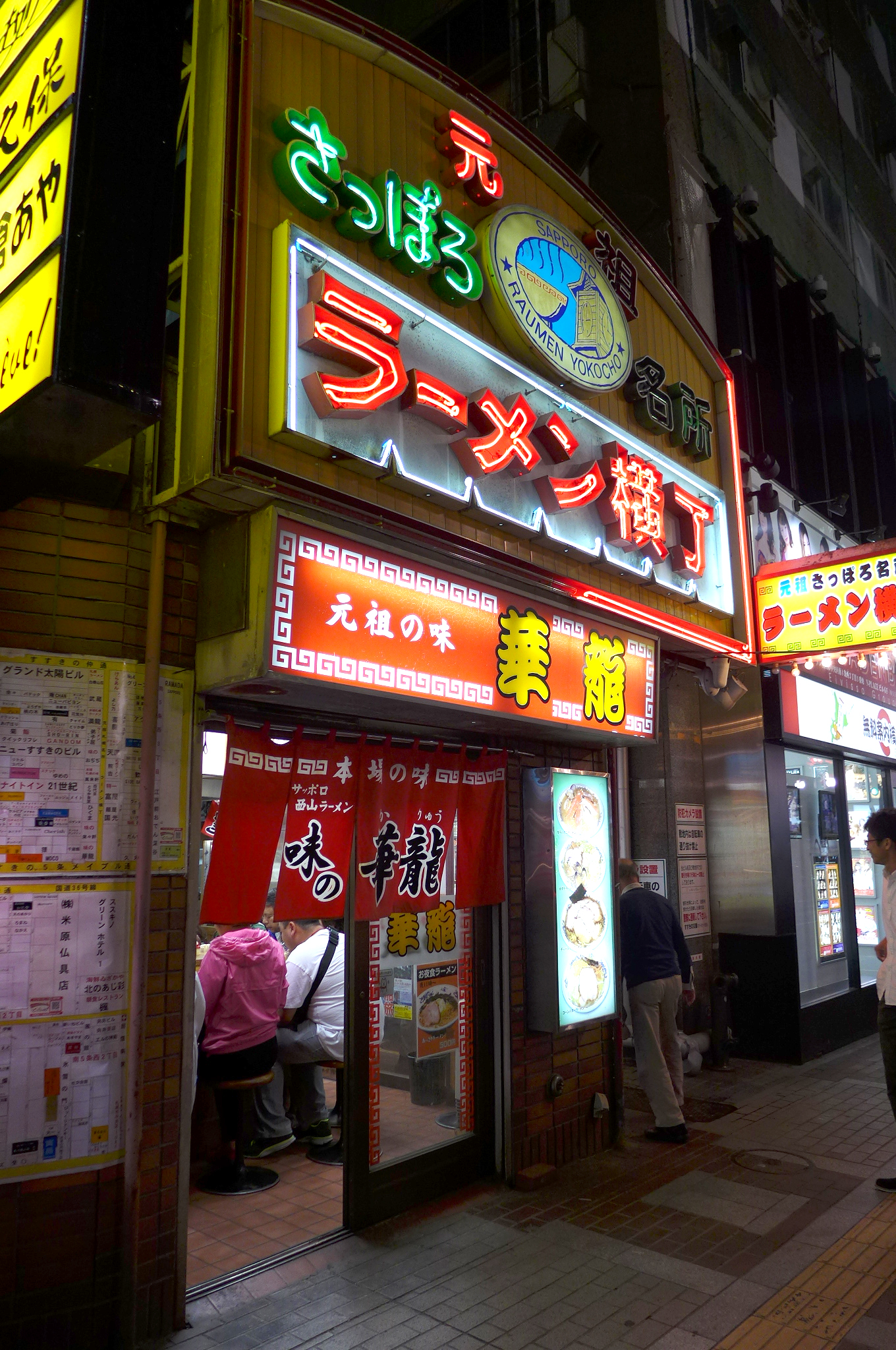
- North entrance of the lanethe opening closest to Susukino Station
- The lane itselfseventeen ramen kitchens facing each other across a narrow passage
- South entrance, N Grande buildingthe Minami 5-jo Nishi 3-chome side, on the building's ground floor
- Susukino crossingthe neon junction a short walk north of the lane
- Tanukikoji shopping streeta covered arcade running east to west north of the lane
How to actually get there
- Sapporo Station → Susukino Station (Namboku Subway Line, two stops; fares from 210 yen).
- Susukino Station → the lane entrance at Minami 5-jo Nishi 3-chome (about a 3-minute walk).
- Walk the lane end to end once, read the shopfronts, then pick a kitchen and sit down.
- Namboku Subway Line, two stops from Sapporo Station
- From Sapporo Station take the Namboku Subway Line south, past Odori, and get off at Susukino — two stops. Sapporo subway fares start at 210 yen. From the ticket gates the lane is about a three-minute walk, which is the access Hokkaido's official travel site gives. Trains are frequent through the day, so no timetable planning is needed.
- Return from Susukino Station
- Take the Namboku Line north from Susukino back to Sapporo Station. Susukino keeps late hours but the subway does not run through the night, so check the last departure on the platform if you are eating into the evening.
About the place
Sapporo ramen is built on a rich, fatty pork-bone base, and miso is the version this city handed to the rest of Japan. Japan's Ministry of Agriculture lists it among Hokkaido's regional dishes, beside Hakodate's salt broth and Asahikawa's soy. Ganso Sapporo Ramen Yokocho stands in Susukino, the city's nightlife quarter, on the ground floor of the N Grande building at Minami 5-jo Nishi 3-chome. Ramen shops face each other down the length of the lane, and every kitchen runs its own broth. Hokkaido's official travel site notes only that opening days and hours differ from shop to shop.
How to enjoy it
Walk the lane once from end to end before you commit; the shopfronts and their sample bowls are the menu. Miso is what Sapporo is known for, but several kitchens here lead with salt or soy, so the alley works as a tasting map rather than a single dish. Because hours are set shop by shop, check that one shop's schedule if a particular bowl is the reason you came.
Background & history
Ramen spread across Hokkaido after the war and each city bent it to its own weather: salt in Hakodate, soy in Asahikawa, miso in Sapporo. The lane itself dates to 1951, when eight ramen shops gathered beside the Toho Koraku cinema at Minami 5-jo Nishi 3-chome and became known as the Koraku Ramen Meitengai. That row is regarded as the first Sapporo Ramen Yokocho. Name and location shifted over the decades, and the alley now carries the word ganso — the original — in front of it.
Before you go
- Cash
- Walking the lane costs nothing; you pay only at the kitchen you pick. The subway accepts SAPICA and the nationally interoperable IC cards, including Suica and ICOCA, and ticket machines still take cash.
- Before you go
- Opening hours and closing days are set by each shop — the alley's own site and Hokkaido's official travel site both say only that they differ by shop. In winter the lane holds snow, so shoes with grip make the walk easier.
- Another way
- From Odori Station you can walk instead: head south through the covered Tanukikoji arcade and continue to Minami 5-jo Nishi 3-chome, about ten minutes on foot.
- After you get off
- Leave Susukino Station and walk to Minami 5-jo Nishi 3-chome. The entrance to the lane is on the ground floor of the N Grande building, roughly three minutes away.