Chiba · Boso OtakiNo.546★★Open in map →
Otaki Castle Town
A small castle town in the hills of the Boso peninsula, where a single old main street runs from the station up to the hilltop remains of Honda Tadakatsu's castle. Merchant houses from the late Edo period still stand along it.
- FromTokyo Station
- ~2.5 hrLimited express, then replacement bus
- Get off atOtaki Station (Isumi Railway, replacement buses)
- On foot
- Otaki Castle Town
The sweet spot
Otaki is a country town people live in, not a district preserved and staffed for visitors, so it is quiet on ordinary weekends without anyone arranging it that way. The local railway has been out of service since a derailment and is running replacement buses, which has thinned arrivals further — and is the main reason the trip needs planning.
Where it is
50 more notes in Chiba · open the map →What to look for — in walking order
- Otaki Stationthe small wooden terminus building at the centre of the old town
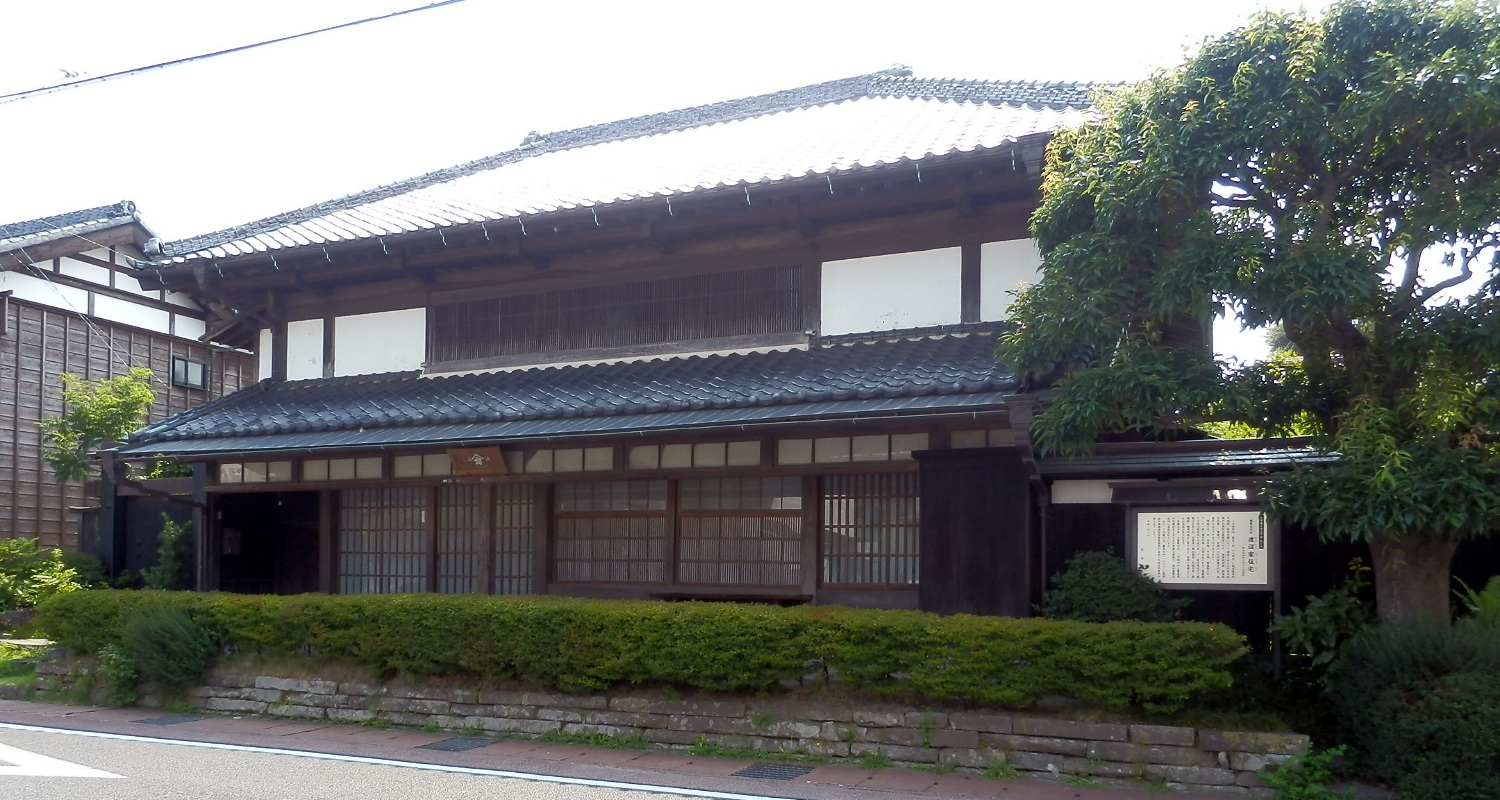
- The Watanabe Housea late-Edo merchant house on the main street, seen from the road only
- The Otaki Merchant House Museuma storehouse-built former pawnshop and hardware store from the early Meiji years
- The great well and the yakuimon gatecastle remains covered by the same designation, on the neighbouring school grounds
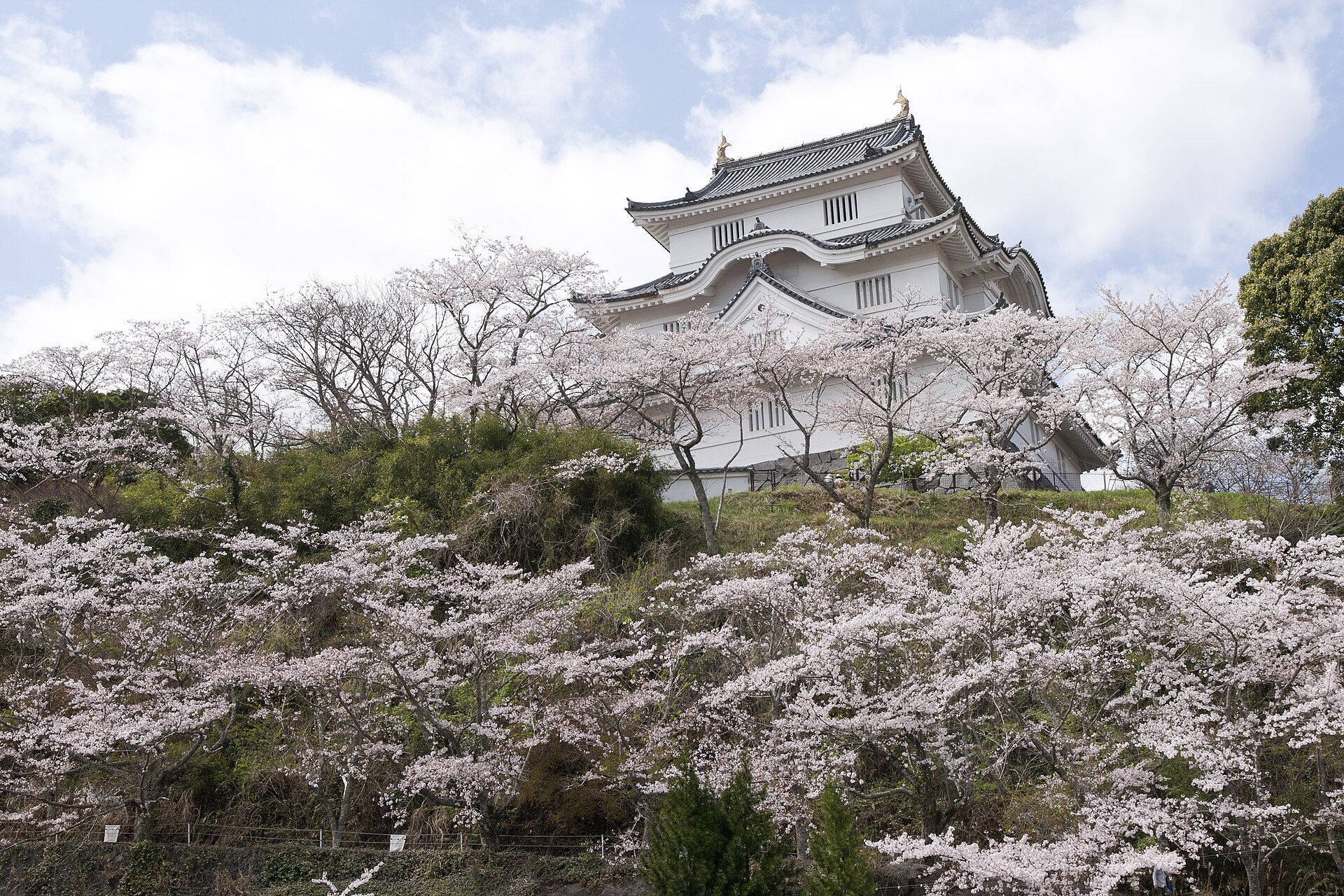
- The main bailey of Otaki Castlea prefecturally designated historic site on the hill, under a keep-shaped museum building
How to actually get there
- Tokyo Station → Ohara (Wakashio limited express, roughly 80 to 85 minutes).
- Ohara → Otaki Station (Isumi Railway replacement bus; check the current timetable, as departures are sparse).
- Otaki Station → the Watanabe House and the merchant house museum along the main street (about three minutes to the first).
- Main street → the main bailey of Otaki Castle, up the hill road (about fifteen minutes from the station).
- Wakashio limited express to Ohara, then the replacement bus
- Take the Wakashio limited express from Tokyo Station, via the Keiyo and Sotobo lines, to Ohara — timetables put this at roughly 80 to 85 minutes. At Ohara change to the Isumi Railway replacement bus, which follows the railway's route through to Otaki Station. Departures are far sparser than a normal rail service, so look up the connection before you set out.
- Return from Otaki Station
- Take the replacement bus back to Ohara and pick up the Wakashio limited express for Tokyo. Both legs run to a thin timetable and the last useful connection falls well before the end of the evening, so fix your return time before you start walking the town.
About the place
Otaki sits inland on the Boso peninsula, in hills cut by the Isumi River, and the town still reads as what it was built to be. One street carries almost everything. It starts at the station forecourt, passes the merchant houses, and climbs to the hill where the castle's main bailey stood. That bailey, together with a great well and a surviving yakuimon gate, is designated a historic site by Chiba Prefecture. On top of it stands a keep-shaped building housing a branch of the prefectural museum. The building is closed for renovation, but the grounds are not, and the museum's own notice says visitors may still walk in and photograph the exterior.
How to enjoy it
From the station the merchant houses come first — the Watanabe House is about three minutes along the street — and the climb to the main bailey takes roughly fifteen minutes from the same forecourt. Taking them in that order gives you the flat part while you are still finding your bearings, and the hill once you know what you are looking at. Note that the Watanabe House is a private home, seen from the road rather than entered.
Background & history
Tokugawa Ieyasu placed Honda Tadakatsu at Otaki in 1590, and the castle became the Tokugawa hold on the Boso interior, with the town growing below it. Merchants prospered on that traffic, and one of their houses survives on the main street: the Watanabe House, built in 1849 and designated a national Important Cultural Property in 1969. Several other buildings along the same street, among them a sake brewery and an inn, are entered on the national register of tangible cultural properties.
Before you go
- Cash
- The castle grounds have no ticket gate, and the street and its houses are looked at from outside at no charge; the merchant house museum charges admission. Carry cash — this is a small town, and fares and admissions are revised from time to time, so check current figures with the operators and the town before you travel.
- Before you go
- Isumi Railway has been suspended across the whole line since a derailment between Kuniyoshi and Kazusa-Nakagawa, and is running replacement buses in its place; the operator's notice puts restoration at around autumn 2027. The keep-shaped museum building on the hill is closed for renovation, though the grounds around it remain open, and the walk up is on an ordinary road.
- Another way
- A highway bus links the Yaesu bus terminal at Tokyo Station with Otaki by way of the Aqua-Line, avoiding the change at Ohara altogether. The town and the bus company both post the one-way fare as 2,100 yen with six departures a day. The stop is in the town rather than at the station, so check where it sets down.
- After you get off
- From Otaki Station the old main street begins at the forecourt. Follow it past the merchant houses, then take the road climbing the hill to the castle's main bailey — about fifteen minutes on foot from the station.