South Hokkaido · NibutaniNo.1156★★Open in map →
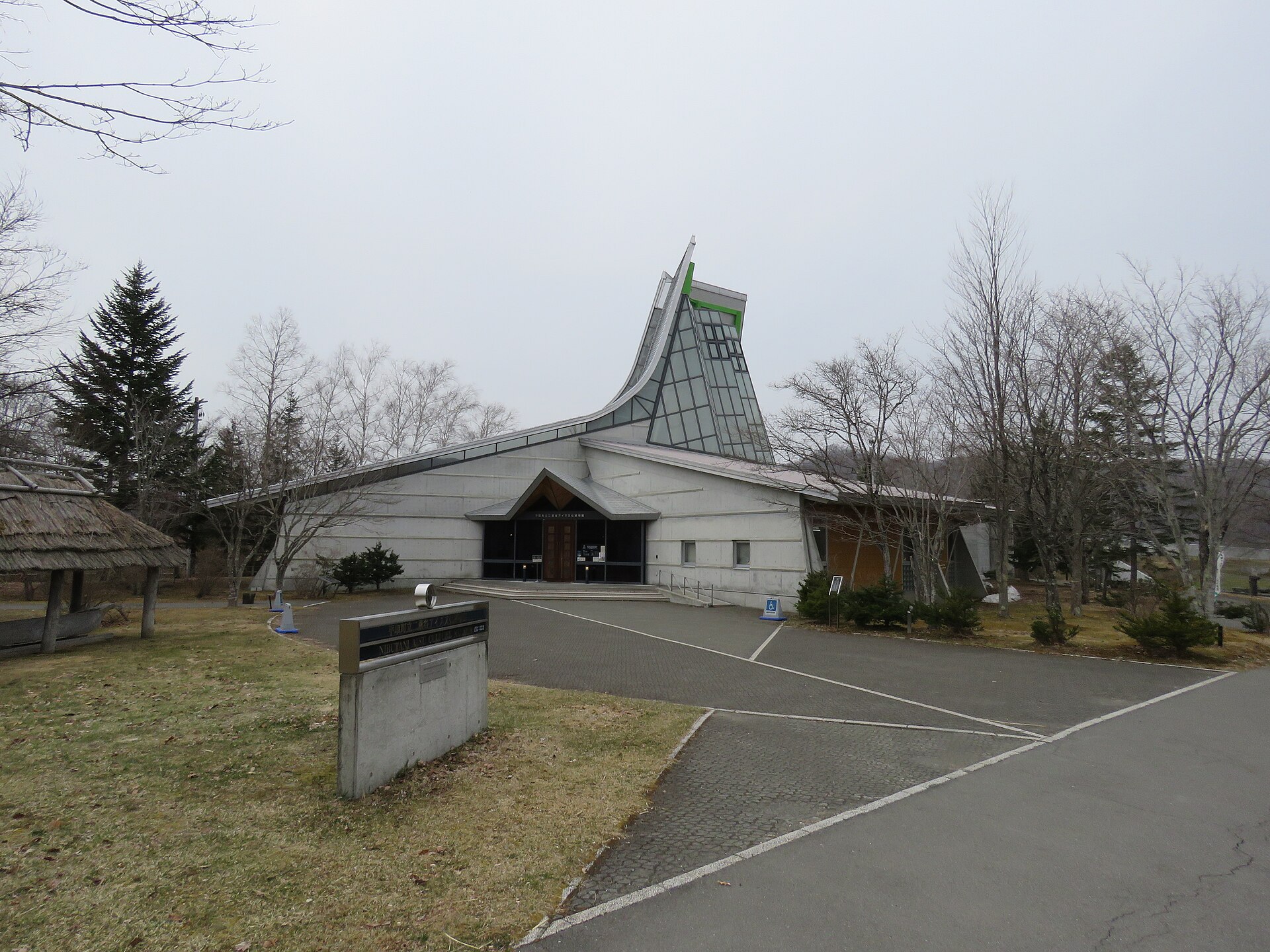
Nibutani Ainu Culture Museum
Nibutani is a village on the Saru River in Biratori, southern Hokkaido, and Ainu craft is still worked here. Its town museum shows the tools and the textiles behind two crafts, ita trays and attus bark cloth, that carry national designation.
- FromSapporo Station
- ~2 hr to TomikawaHighway bus (reserve) + local bus
- Get off atShiryokan-mae stop (Donan Bus, Tomikawa-Biratori-Hidaka line)
- On foot
- Nibutani Ainu Culture Museum
The sweet spot
This is not a hidden place. It is the best known Ainu craft village in Hokkaido, and tour coaches do reach it. The quiet is a matter of timing rather than obscurity: buses up the valley are few, the museum shuts in the late afternoon, and the whole kotan spreads along a single road, so arrivals bunch into the middle of the day and thin out on either side of it.
Where it is
102 more notes in Hokkaido · open the map →What to look for — in walking order
- Saru River History Museumthe valley's excavation finds and chashi fort sites, at the western end of the kotan
- The exhibition boothseveryday tools, embroidery and carving, with yukar epic recitals running on screen
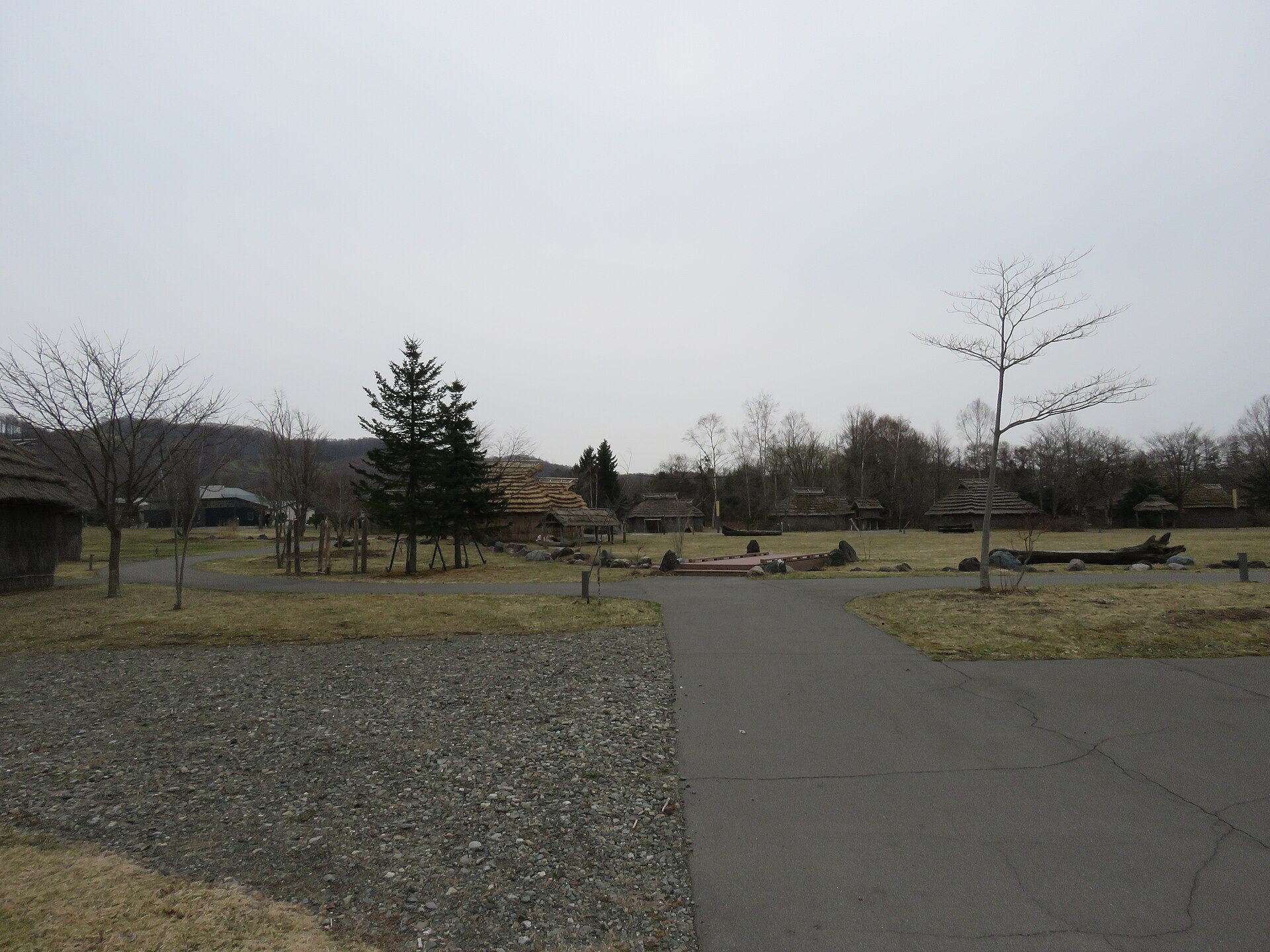
- The restored chisethatched Ainu houses on the museum grounds, with a storehouse and a bear pen
- Urespa craft hallthe town's workshop building for trying Ainu carving and embroidery by hand
- Kayano Shigeru Nibutani Ainu Museumthe older private collection, standing beside the Shiryokan-mae bus stop
How to actually get there
- Sapporo Station to Tomikawa (Donan Bus Kosoku Pegasus-go, reservation required, about two hours).
- Tomikawa to Shiryokan-mae (Donan Bus, Tomikawa-Biratori-Hidaka line, only a handful of runs a day).
- Shiryokan-mae to the Nibutani Ainu Culture Museum entrance (walk west along the road, a few minutes).
- Walk the kotan back east from the museum to the craft hall and the Kayano collection, then return to the same stop.
- Highway bus from Sapporo, then the valley bus
- Sapporo Station to Tomikawa on the Donan Bus Kosoku Pegasus-go, which is reservation-only and takes about two hours. At Tomikawa change to the Donan Bus route that runs up the Saru River toward Biratori and Furenai, and get off at Shiryokan-mae. Biratori Town publishes the connecting timetable on its own website, and its notes point out that the transfer involves a short walk between the Tomikawa-Omachi and Tomikawa-Minami stops.
- Return from Shiryokan-mae
- Take the Donan Bus back down the valley to Tomikawa and pick up the Pegasus-go for Sapporo, or stay aboard toward Tomakomai for the JR network. Services thin out sharply once the afternoon ends, so the last useful departure is earlier than the map suggests. Read the return column of the town timetable before you walk into the museum, not after.
About the place
Nibutani sits on the Saru River in Biratori, in southern Hokkaido. The town runs its museum here, and the holdings are large for a settlement of this size: roughly 4,000 ethnographic objects, alongside library and audiovisual collections. Inside, the exhibition booths set those objects against the Ainu understanding of people, deities and the land. Two crafts anchor the display. Ita are shallow wooden trays cut with the spiral figure called moreunoka and the scale carving called ramramnoka. Attus is cloth woven from thread spun out of inner bark, most often from the ohyo elm, and the twist put into that thread is what makes it wear so well.
How to enjoy it
The museum keeps daytime hours and the winter schedule is shorter, so the safe plan is to be inside before midday. Buses along the valley run only a handful of times a day, which makes the return departure worth fixing before you leave Tomikawa. The craft hall and the Kayano collection stand on the same road, so one unhurried walk covers the whole kotan.
Background & history
The museum opened in 1992, built around the Ainu implements the folklorist Kayano Shigeru had gathered in this valley and handed to the town. That collection is now a national Important Tangible Folk Cultural Property. In 2007 the Saru River valley itself was selected as an Important Cultural Landscape, for the way Ainu land use and later settlement lie over one another. In 2013 ita and attus became the first crafts in Hokkaido designated under the national traditional crafts law.
Before you go
- Cash
- Biratori Town lists museum admission at 400 yen for adults and 150 yen for primary and junior high school students, with a lower group rate from twenty people. Carry cash. This is a village stop on a rural route, and the highway leg needs a reservation rather than a walk-up fare.
- Before you go
- The museum shuts for a stretch around the new year and takes a weekly closing day through the winter months, so a cold-season visit needs the town's calendar checked first. The kotan buildings stand outdoors along a river valley, which makes footing and daylight matter more here than the timetable does.
- Another way
- From Tomakomai, the Donan Bus route toward Biratori and Furenai runs through Mukawa and Tomikawa. That suits anyone arriving on the JR line at Tomakomai, or coming in from New Chitose Airport, rather than starting in central Sapporo.
- After you get off
- From Shiryokan-mae the kotan runs along the road in both directions. The museum is a few minutes west, past the craft workshops; the Kayano collection is just east of the stop.