Northwest Chiba · NagareyamaNo.934★Open in map →
Nagareyama Shiro-Mirin
— Birthplace of Japan's clear-style mirin
The pale, clear style of mirin was created in this small town on the Edo River, and the street where it was brewed still carries the merchants' warehouses. A city museum on the old highway is the way in.
- FromTokyo Stn
- ~1 hrRyutetsu line + 5 min walk
- Get off atHeiwadai Station (Ryutetsu Nagareyama Line)
- On foot
- Nagareyama Shiro-Mirin
The sweet spot
This is not a hidden place so much as an unvisited one. It sits at the end of a short single-track branch line that few travellers have any reason to board, and its subject is a seasoning rather than a view. The street is partly residential, so weekday mornings are quiet by default.
Where it is
50 more notes in Chiba · open the map →What to look for — in walking order
- Akagi Shrinea shrine on the low rise that local legend says drifted here from Mount Akagi, hung with a straw rope of about 500 kilograms
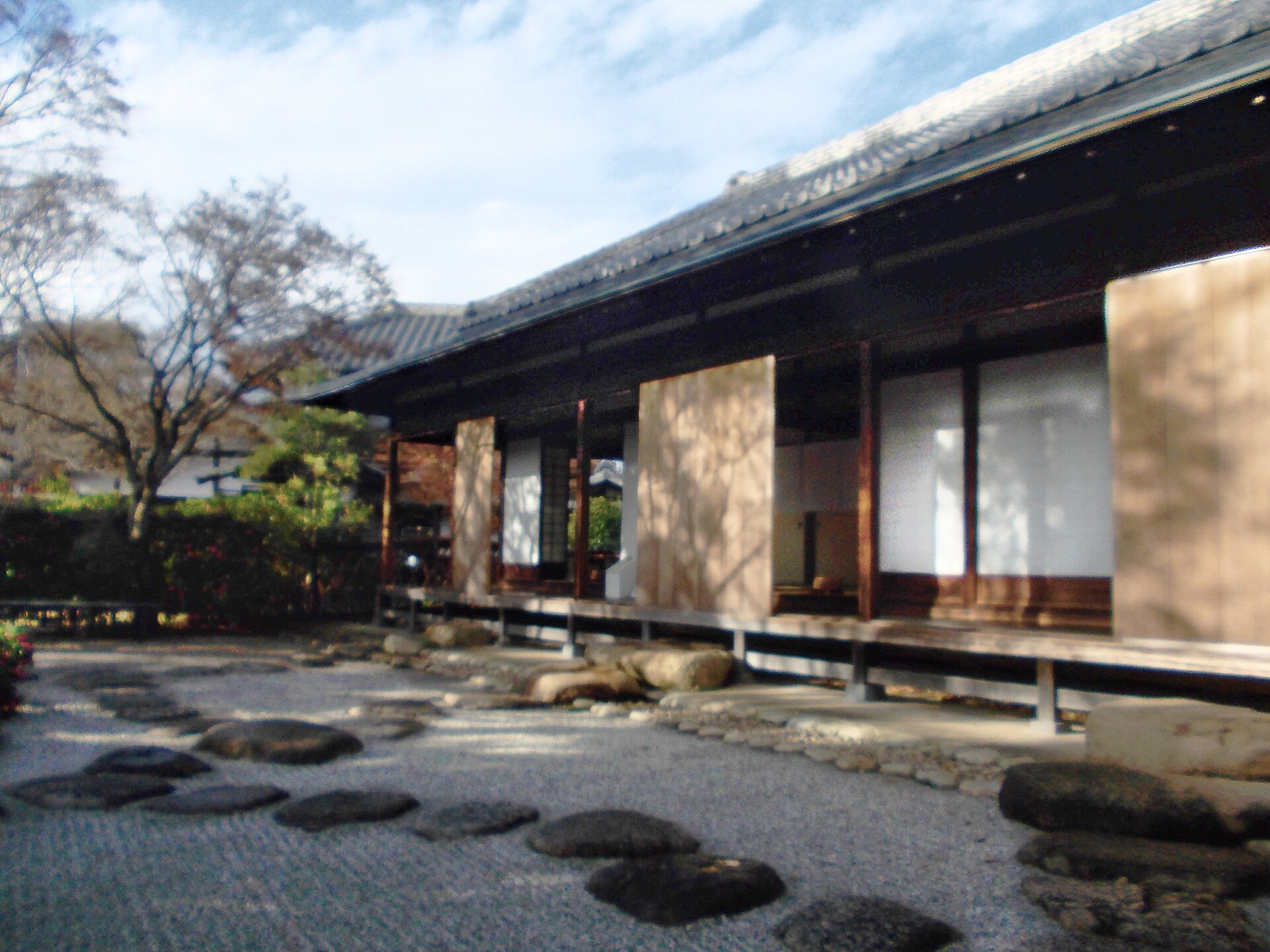
- Issa-Soju Memorial Hallthe rebuilt Akimoto merchant house, home of the Appare mirin label and of the haiku poet Kobayashi Issa's host
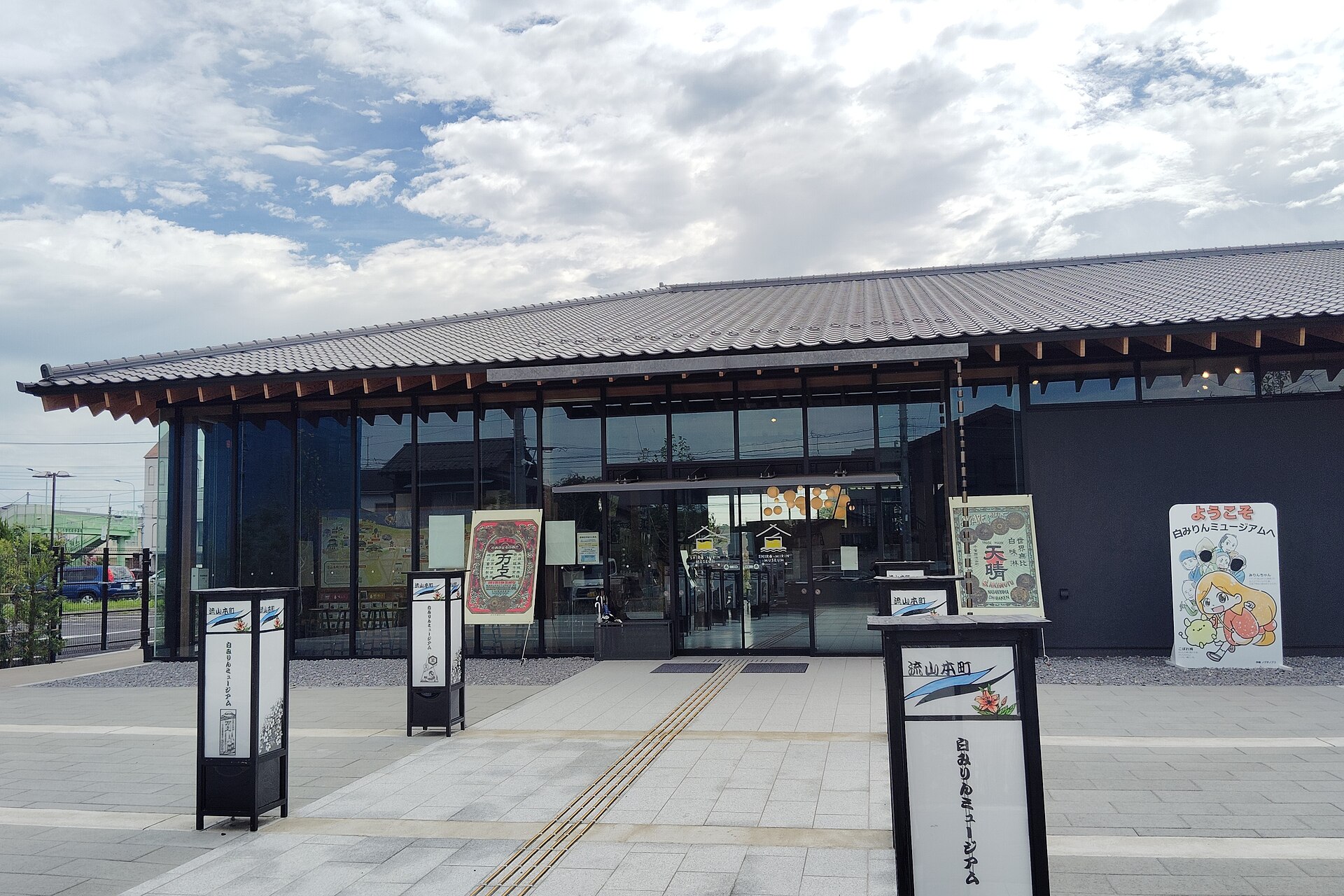
- Nagareyama City Shiro-Mirin Museumthe city's black-plastered museum on the old highway, with a hands-on exhibition floor entered by reservation
- Gofuku Shinkawaya storea Meiji-era kimono merchant's store-warehouse on the main street, registered as a national cultural property
- Nagareyama Stationthe small terminus of the branch line, a few minutes from the site of Kondo Isami's last camp
How to actually get there
- Tokyo Stn → Mabashi Stn (JR to Ueno, then the JR Joban Line, about 40 min with the change).
- Mabashi Stn → Heiwadai Stn (Ryutetsu Nagareyama Line, about 10 min; buy a paper ticket at the window).
- Heiwadai Stn → Nagareyama City Shiro-Mirin Museum (walk about 5 min northwest to the old highway).
- Walk north through Nagareyama Hon-cho to Nagareyama Stn and ride back (an easy hour on foot with stops).
- JR to Mabashi, then the Ryutetsu branch line
- Tokyo Stn →(JR Yamanote or Keihin-Tohoku Line to Ueno, then the JR Joban Line toward Matsudo and Kashiwa, about 40 min including the change)→ Mabashi Stn →(Ryutetsu Nagareyama Line, about 10 min)→ Heiwadai Stn, then about 5 min on foot. Roughly an hour door to door. Mabashi is also reachable on the Joban local line that runs through from the Tokyo Metro Chiyoda Line.
- Return from Nagareyama Station
- End the walk at Nagareyama Stn, the terminus of the branch line, and ride back to Mabashi for the JR Joban Line. Trains run through the day and into the evening, but this is a small operator with a single line — check the last departure posted at the station if you stay for dinner.
About the place
Nagareyama sits on the east bank of the Edo River, on the flat northwestern edge of Chiba. Sweet rice seasoning brewed here could be loaded onto river boats and reach Edo, now Tokyo, the same day, and that trade made the town rich. The brewers' warehouses, the merchants' store-fronts and the railway they funded are all packed into one narrow strip called Nagareyama Hon-cho, walkable end to end in an afternoon. The branch line that still serves it has only six stations and runs two-car trains. One of the two founding mirin labels is still brewed in the town by a Kikkoman subsidiary.
How to enjoy it
Reserve the museum's exhibition floor before you travel, and note that the hands-on mirin sessions are booked separately and change from month to month. Then walk the strip from south to north — shrine, memorial hall, museum, store-warehouse — and finish at Nagareyama Station; it is an easy hour on foot. Weekday mornings are the calmest, since much of the street is still people's homes.
Background & history
Mirin was a dark, reddish liquid until brewers in Nagareyama produced a pale, clear version in 1814. Two houses carried it out of the town: the Horikiri family with the Manjo label and the Akimoto family with Appare. Boats took the barrels down the Edo River into the capital's kitchens, and the seasoning became a fixture of Edo cooking. The town later funded its own railway, the Ryutetsu Nagareyama Line, which opened in 1916 largely to move those barrels and still runs today.
Before you go
- Cash
- Buy a paper ticket at the station window. At the time of checking the Ryutetsu line did not accept IC travel cards, and every station on the line is staffed. The museum's exhibition floor and its cooking sessions are charged and reserved separately, while the Issa-Soju Memorial Hall is listed as free to enter.
- Before you go
- The museum closes on Mondays, taking the following day when a Monday falls on a public holiday, and over the New Year period, so confirm before you travel. The old highway and the river embankment both have little shade and catch the wind.
- Another way
- Coming on the JR Musashino Line or the Joban local line, get off at Shin-Matsudo instead. The Ryutetsu station of Kouya is right beside it, so you can join the branch line there rather than at Mabashi.
- After you get off
- From Heiwadai Station, walk northwest about 5 minutes to reach the Shiro-Mirin Museum on the old highway. The memorial hall and Akagi Shrine lie a similar distance west and southwest of the same station.