Gunma west · TakasakiNo.1104★★Open in map →
Lake Haruna
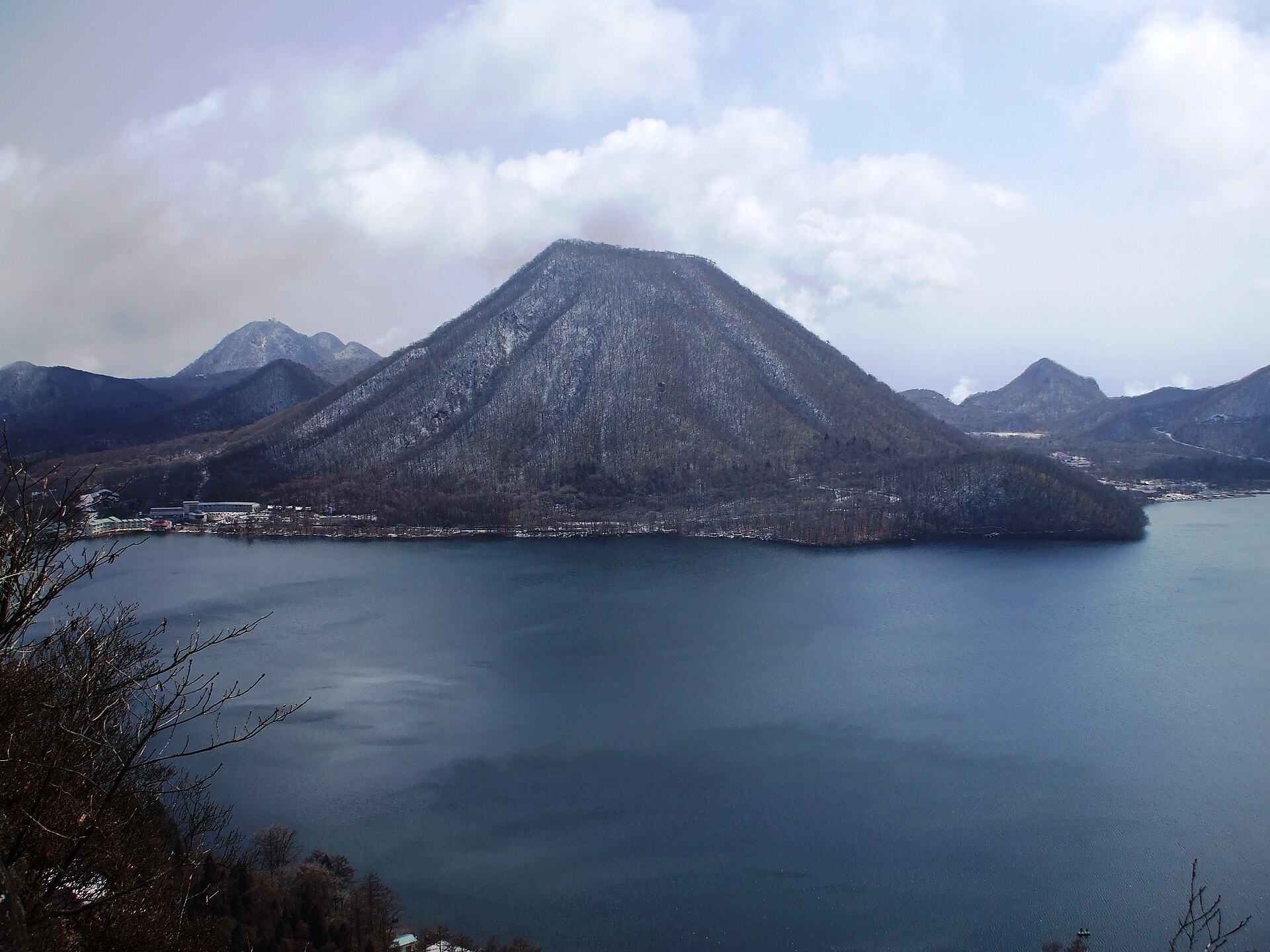
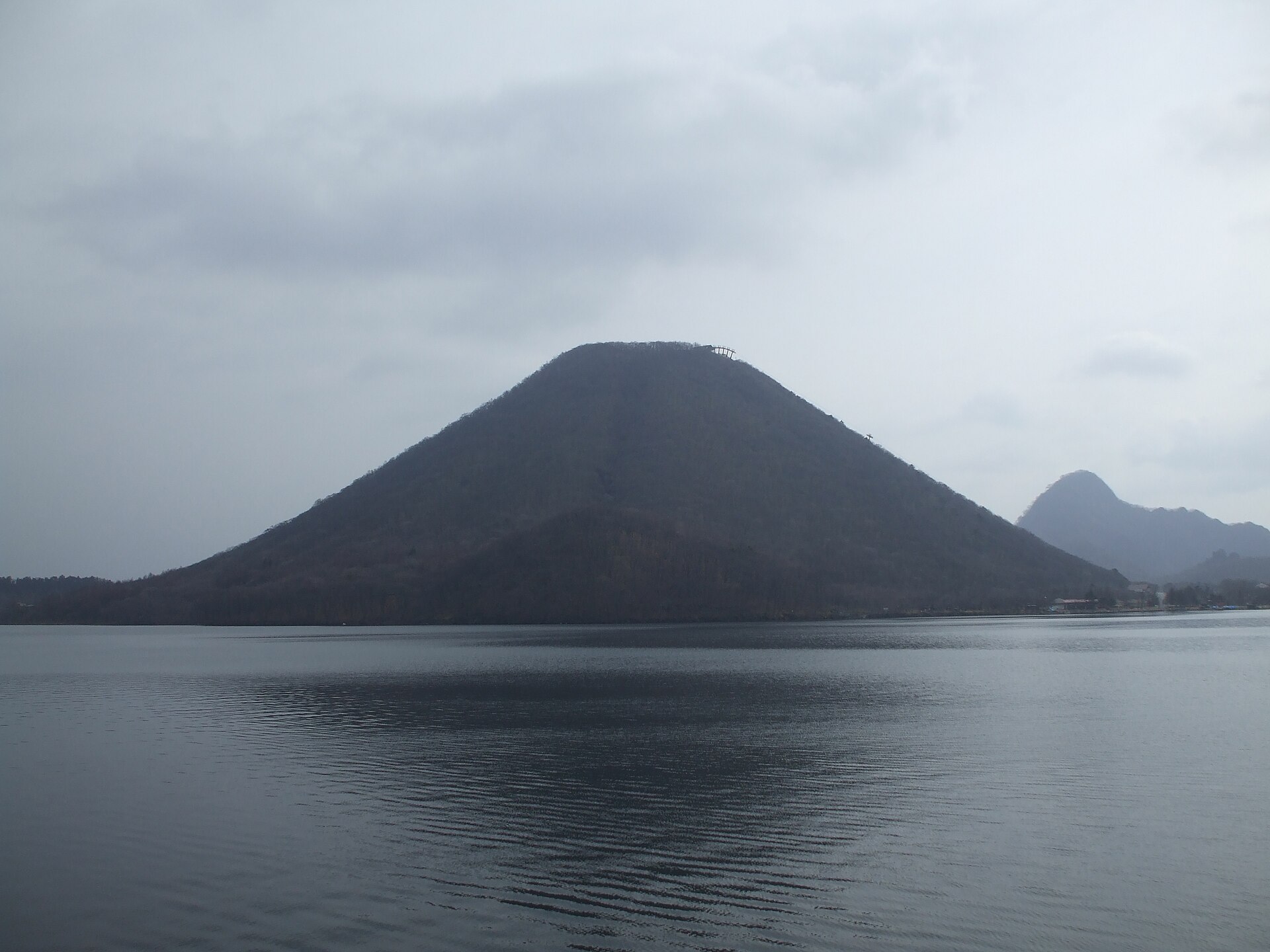
A lake on the crater floor of Mount Haruna, west of Takasaki, with a near-perfect cone rising straight out of the water. The cone is Haruna-fuji, a lava dome that grew inside the caldera long after the collapse that made it.
- FromTokyo Stn
- ~2 hr 30 minShinkansen + bus (~90 min from Takasaki)
- Get off atHarunako bus stop (Gunma Bus terminus)
- From there
- Lake Haruna
The sweet spot
Lake Haruna is well known inside Gunma and easy to reach, with a scheduled bus running from Takasaki Station to the shore. What keeps it from reading as a resort strip is the caldera itself. The wall closes the basin on every side, so the lake, the cone and the road between them are the entire view, and nothing beyond the rim shows from the water. An ordinary walk along a lakeside ends up feeling enclosed rather than open, which is the part people remember.
Where it is
20 more notes in Gunma · open the map →What to look for — in walking order
- The shore roada loop right around the lake, level enough to walk in either direction
- The boat landingsrowing, pedal and motor boats hired from the huts on the south shore
- Haruna-fujithe lava dome at the centre of the caldera, 1,390 metres at the summit
- Haruna-san Ropewaycabins from the lakeside station up the flank of the dome to the summit
How to actually get there
- Tokyo Station → Takasaki Station (shinkansen).
- Takasaki Station → Harunako, the terminus (Gunma Bus, Takasaki-Harunako route, via Haruna Shrine).
- Harunako stop → the shore road, walking the lake in either direction.
- Shore road east → Haruna-kogen station and the ropeway to the summit of Haruna-fuji.
- Shinkansen + Gunma Bus
- Tokyo Station →(shinkansen)→ Takasaki Station →(Gunma Bus bound for Harunako, about 90 minutes)→ Harunako, the terminus on the shore. The same bus passes Haruna Shrine on the climb, so the shrine and the lake sit on one route.
- One road down, on the same bus
- There is no railway at the lake, so the return is that bus and its posted departures. Read the timetable at the terminus when you arrive and set your turnaround from it, because the descent is long.
About the place
Mount Haruna is not a single peak but a broad volcano roughly twenty kilometres across, and near the top of it the ground drops into a caldera about two kilometres by three. Water gathered on that floor. The result is Lake Haruna: a sheet of water held inside the crater wall, with a road running the whole way around the shore. Standing in the middle of it is Haruna-fuji, a lava dome pushed up after the collapse, which rises from the water in the smooth cone its name promises. The basin is small enough that the far shore stays in view from almost anywhere on it.
How to enjoy it
The ropeway is the short version of the mountain: two minutes fifty seconds from the lakeside station to the top, posted at 9:00 to 17:00 from April to November with the last ascent at 16:30, and closing earlier in the winter months. Walk the shore road first and ride second, because the cone reads better once you have been around it. From late January, if the ice sets hard enough, the lake becomes a smelt-fishing ground.
Background & history
The caldera is old, but the volcano has not finished with it. Three eruptions are known here, and none of them appear in any written chronicle. They are dated instead from the ash layers left over archaeological sites on the eastern flank. One falls near the start of the fifth century, one at its close, and the largest in the middle of the sixth. That last episode built Futatsu-dake, the youngest of Haruna's lava domes. Haruna-fuji, the cone standing in the lake, is older than all three.
Before you go
- Cash
- The lake, the shore road and the walking cost nothing. The ropeway was posted at 1,200 yen return for adults and 600 for children, or 650 and 320 one way. Boats and the lake cruise are charged separately at the huts. Carry cash.
- Before you go
- Ropeway hours shorten in the winter half of the year, and wind or maintenance can stop it on any day. Boats and the cruise run in the warmer months only. The basin sits above a thousand metres, so it is cold and exposed well outside winter, and the shore road can carry ice in the cold season.
- Another way
- By car it is about an hour up from the Takasaki interchange on the Kan-Etsu Expressway, with free parking at several points around the shore. From the north side the road continues down to Ikaho Onsen, which makes a lake-and-onsen day possible without doubling back.
- After you get off
- The Harunako stop is the end of the line and stands on the shore, so there is no walk to reach the water. The ropeway base station is about twenty minutes on foot around the shore to the east, and the boat huts are closer.