South Hokkaido · MinamikayabeNo.982★★★Open in map →
Kakinoshima and Ofune Jomon Sites
Two Jomon settlements on the Pacific coast east of Hakodate, inscribed together as World Heritage. A city museum stands between them, holding the hollow clay figure that is the only National Treasure in Hokkaido, and one road links all three.
- FromHakodate Station (JR Hakodate Main Line, Hakodate Bus route 99)
- ~90 minBus or car from Hakodate
- Kakinoshima and Ofune Jomon Sites
Where it is
102 more notes in Hokkaido · open the map →What to look for — in walking order
- Hakodate Jomon Culture Centerthe low museum at the entrance to Kakinoshima, holding the ticket desk and the galleries
- The National Treasure roomwhere the hollow figure called Kakku stands, 41.5 centimetres tall and a few millimetres thick at its thinnest
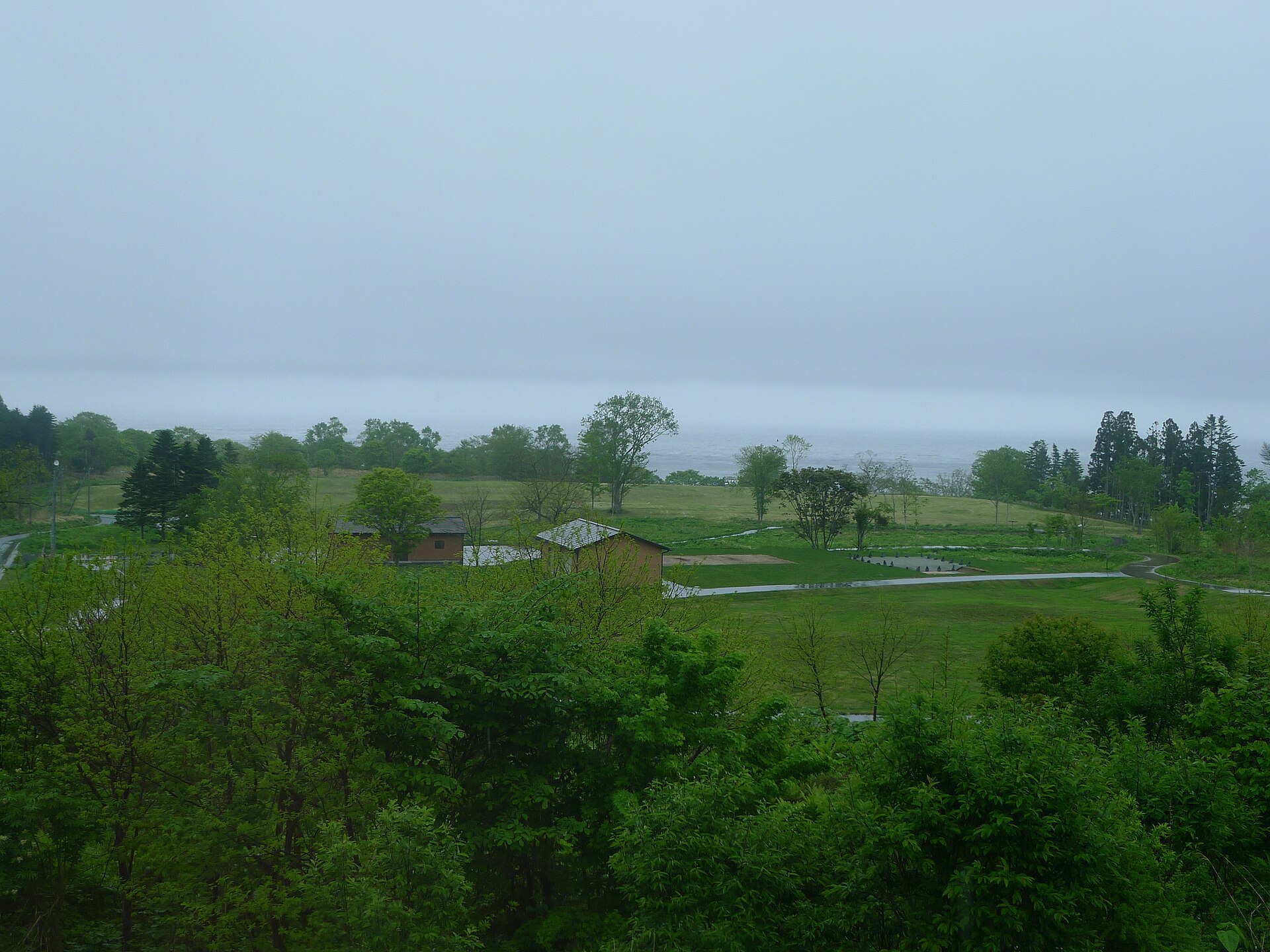
- Kakinoshima Sitethe terrace itself, with the long earth mound and the outlines of dwellings above the sea
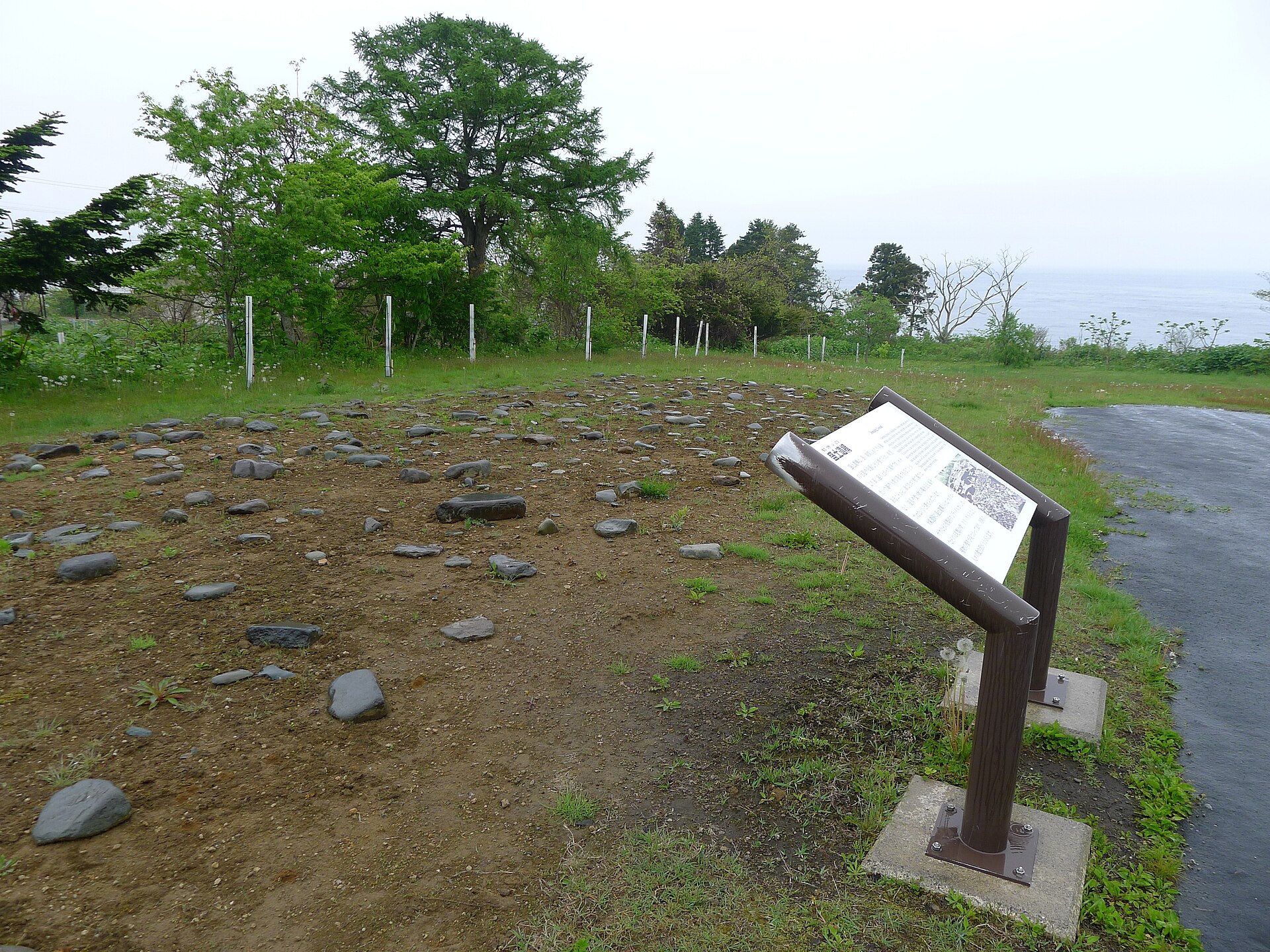
- Ofune Sitepit dwellings cut deep into the slope, the deepest of them over two metres down
How to actually get there
- Hakodate Station, stand 6 → Kakinoshima-iseki-shita (Hakodate Bus route 99 toward Shikabe via Kawakumi, about an hour and a half).
- Up the slope from Route 278 to the Hakodate Jomon Culture Center.
- Through the galleries, then out onto the Kakinoshima terrace behind the building.
- North along the shore road to the Ofune Site, timed to the afternoon bus back.
- Hakodate Bus route 99 from the station
- Route 99 toward Shikabe, by way of Kawakumi, leaves from stand 6 on the square in front of JR Hakodate Station and runs about an hour and a half to Kakinoshima-iseki-shita. From the road it is a short climb to the museum entrance. Only a couple of departures a day land inside opening hours, so the timetable comes before everything else.
- The return is the thin part
- Outside the early morning, the 99 route back into central Hakodate often comes down to a single afternoon service. The other way out is to change at Minami-Kayabe Shisho-mae onto route 225 for Shikabe and take the train back from there. Either way, settle the return before leaving the city.
About the place
The two sites open onto the Pacific from coastal terraces at Minamikayabe. Kakinoshima is the one that startles on scale: a horseshoe of piled earth runs along the terrace edge for more than 190 metres, among the largest known in Japan, and it is read as a place where things were sent back rather than thrown away. Ofune, a short run north up the shore road, is a settlement rather than a monument, and more than a hundred pit dwellings have been traced in its ground. The city museum sits between the two, low and dark, put up to hold what came out of these fields.
How to enjoy it
The museum opens at nine and closes at five from April to October, half an hour earlier through the winter. Two hours covers the galleries and a walk out across the Kakinoshima terrace, and Ofune is a few minutes further north along the shore road. Coming by bus, the timetable shapes the day rather than the other way round.
Background & history
The Kakinoshima terrace was in use from about 7000 to 1000 BCE, some six thousand years of one place, and the mound belongs to the later part of that span. Ofune was settled between roughly 3500 and 2000 BCE, and Japan listed it as a national historic site in 2001. The hollow clay figure in the museum was turned up in a potato field nearby in 1975, named a National Treasure in 2007, and is still the only one in Hokkaido. In July 2021 UNESCO inscribed both sites within the Jomon Prehistoric Sites in Northern Japan, a serial listing of seventeen places.
Before you go
- Cash
- Admission is charged at the museum desk, at a lower rate for students. The bus is paid on board, so keep coins for the fare box.
- Before you go
- The museum closes on Mondays — the next weekday when the Monday is a public holiday — on the last Friday of each month, and over the New Year. The sites themselves are open ground, and the sea fog and the wind come through them unbroken.
- Another way
- By car it is about an hour east from Hakodate Station along National Route 278, and roughly forty minutes from Hakodate Airport. Taxi firms in the city run circuits that take in the museum and both sites in one half-day. Driving also removes the return-bus problem, which is the real constraint out here.
- After you get off
- The day starts at Hakodate Station: route 99 leaves from the square in front of it, and the rental desks and taxi ranks are in the same block. The bus sets down at Kakinoshima-iseki-shita on Route 278, below the terrace, and the museum is six or seven minutes up the slope from there.