South Fukuoka · OmutaNo.1092★★Open in map →
Miyanohara Pit
— The Miike colliery shaft on the World Heritage list
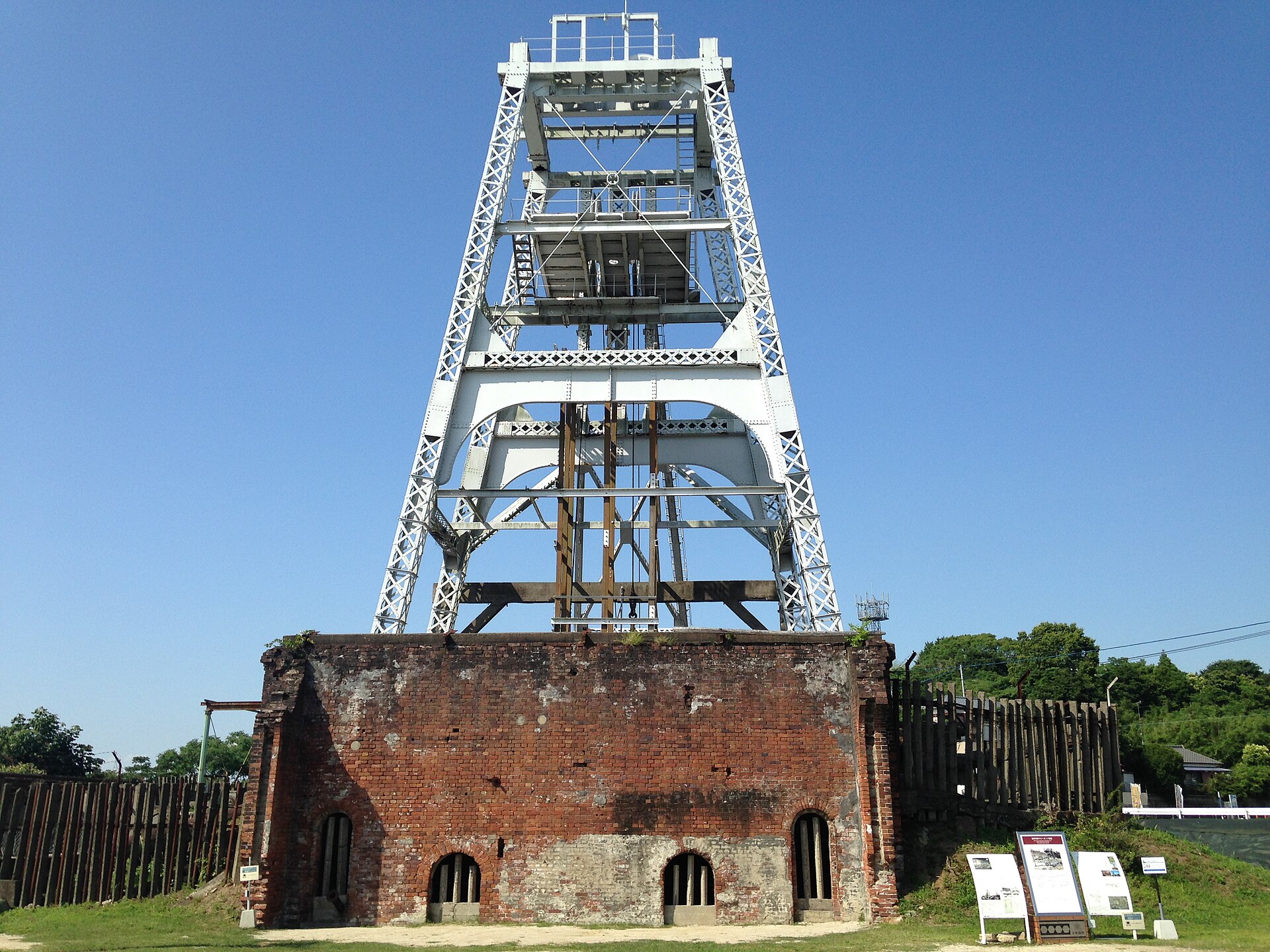
A Meiji coal pit in southern Fukuoka, kept as an open yard rather than gathered into a museum. The steel headframe over its second shaft is the oldest of its kind left in Japan, and the brick engine house still stands beside it.
- FromNishitetsu Fukuoka (Tenjin) Station
- bus, then 10 min on footNishitetsu bus from Omuta
- Get off atOmuta Station (JR and Nishitetsu)
- From there
- Miyanohara Pit
The sweet spot
Miyanohara is on the World Heritage list and signposted from the station road, so it is not an undiscovered site. What it offers is unusual for a listing of this kind. The machinery hall and the shaft were never lifted into a museum, so the yard still reads as a working layout rather than as a display.
Where it is
28 more notes in Fukuoka · open the map →What to look for — in walking order
- The second shaft headframea steel frame about 22 metres high, built from steel imported from Britain
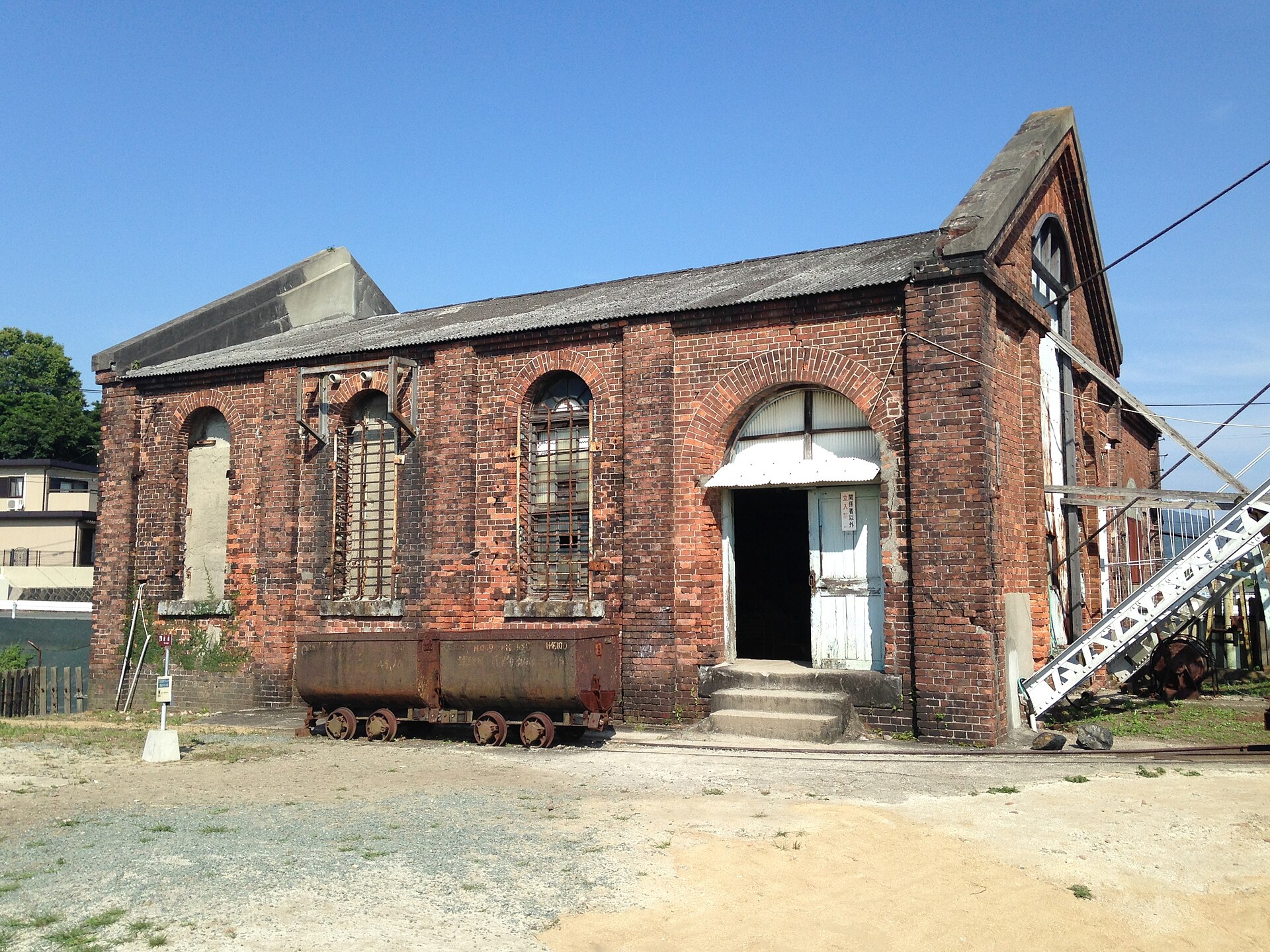
- The winding engine housea red brick hall beside the shaft, holding the machine that raised and lowered the cages
- The Davey pump room wallwhat is left of the room that held the British pumps draining water from the shaft
- The rails across the yardtrack from the colliery's own railway, crossing the site on the line toward the harbour
- The railway embankment outsidethe preserved right of way of that colliery line, listed as heritage together with the pit
How to actually get there
- Nishitetsu Fukuoka (Tenjin) to Omuta on a Tenjin-Omuta Line limited express.
- From the station-front stop, take a Nishitetsu bus and get off at Hayakane-Meganebashi.
- Walk to the yard and go in past the brick engine house.
- See the headframe, the pump room wall and the rails, then follow the old railway embankment out.
- Nishitetsu limited express to Omuta
- From Nishitetsu Fukuoka (Tenjin) take a limited express on the Tenjin-Omuta Line to its far end at Omuta, which takes about an hour with no change. Departures are spaced evenly through the day. Fares are payable by IC card or at the machine.
- Return to Omuta Station
- Buses run back to the station from the same road, and the Nishitetsu and JR stations stand side by side there. Services thin out in the evening in both directions, so look up the return before you settle in at the site.
About the place
Omuta sits at the southern end of Fukuoka Prefecture, on the Miike coalfield. Miyanohara was the first pit Mitsui sank after taking the Miike mines over from the government, and the second shaft, the one still standing, went down about 160 metres. Through the Meiji and Taisho years the pit raised between four and five hundred thousand tons of coal a year, which made it the mine's main producing shaft. Miners were not the only people sent down it. Convicts from the prison built beside the coalfield were worked here, and the pit carried a nickname to match. The yard is now open ground, with the shaft, the engine house and the rails left where they were.
How to enjoy it
The pit is open on set days rather than every day, and the days can move, so confirm the current opening on the Omuta city site before setting out. Volunteer guides work the yard when it is open and will explain the machinery without a booking, though calling ahead makes it certain. There is no shade in the yard, so a hot afternoon is harder work than it looks.
Background & history
Mitsui bought the Miike mines from the government at the end of the nineteenth century and sank Miyanohara as its first new pit, bringing the first shaft into operation in 1898. The second shaft, the one still standing, was finished in 1901, and its winding engine and its pumps came from British makers. Coal was drawn here until the pit closed in 1931, after which the mine's work moved to other shafts in Omuta. The site was inscribed with the rest of the Meiji industrial sites as World Heritage in 2015.
Before you go
- Cash
- Carry cash for the bus and for anything you buy nearby, since the small operators here do not all take cards. No charge is posted for the yard itself, but conditions can change, so read the city's page for the day you plan to go.
- Before you go
- The site is open air and exposed, with no shelter from rain or sun anywhere in the yard. It is not open every day and the schedule can move for maintenance or for events, so treat the official page as the last word rather than a printed calendar.
- Another way
- JR Kagoshima Main Line trains from Hakata also reach Omuta, and taxis wait at the station for the short run out to the pit.
- After you get off
- From Omuta Station take a Nishitetsu bus from the station-front stop and get off at Hayakane-Meganebashi, then walk about ten minutes to the yard. A taxi covers the same ground directly.