Mie · IseNo.1242★★Open in map →
Ise Udon
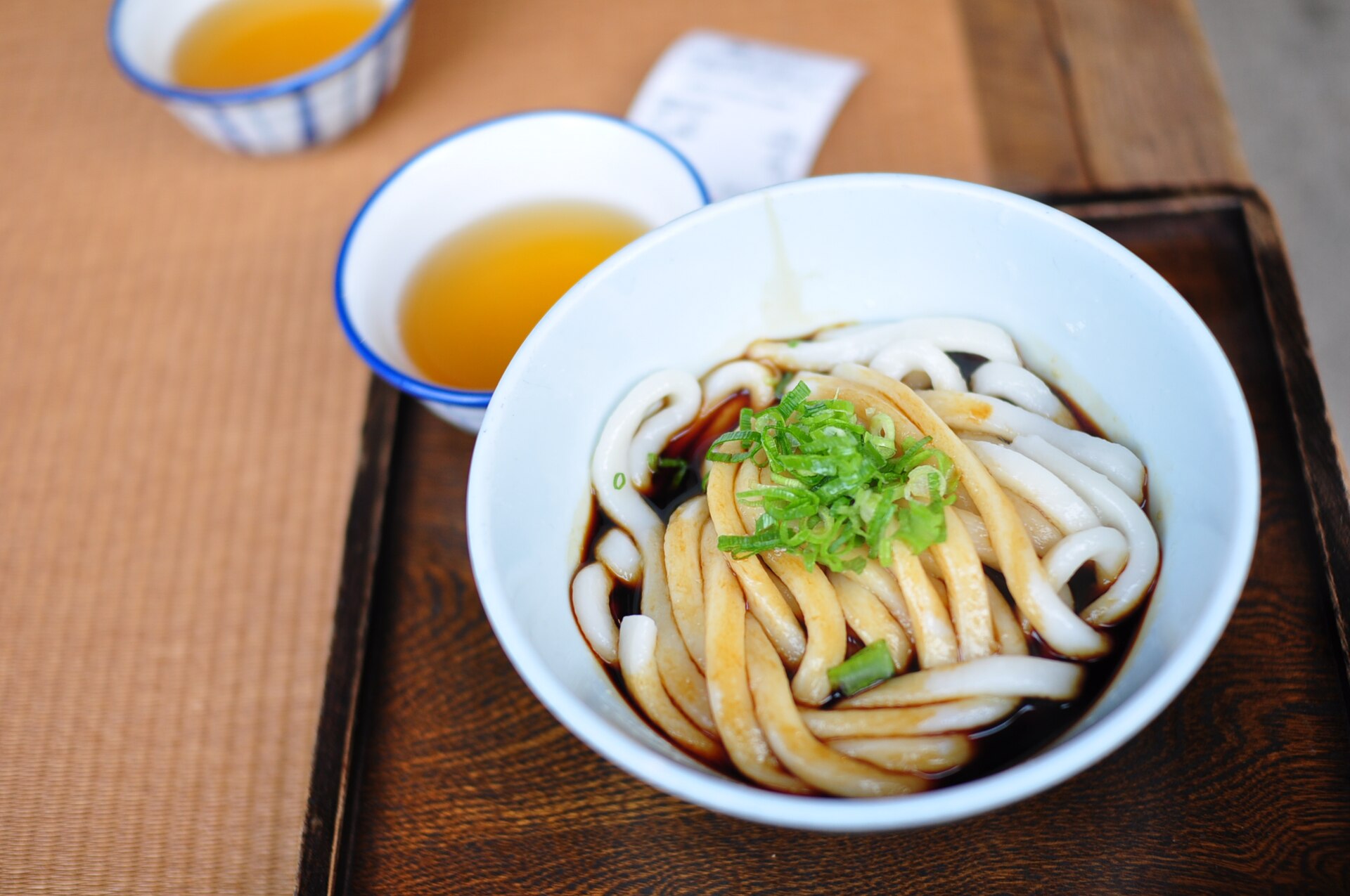
Thick, soft wheat noodles under a small pour of dark tamari sauce, the bowl that fed generations of Ise pilgrims. Okage Yokocho, a rebuilt block on the approach to the inner shrine, is the easiest place to find it.
- FromUjiyamada Station
- ~20 minBus from Ujiyamada, ~20 min
- Get off atJingu Kaikan-mae (Mie Kotsu bus, Naiku-bound)
- On foot
- Ise Udon
The sweet spot
Ise udon is well known across Japan, so nothing about it is hidden. What catches visitors out is the form: no broth, no bite, a sauce you mix in yourself. Knowing that before the bowl lands is the difference between a disappointment and a good lunch.
Where it is
17 more notes in Mie · open the map →What to look for — in walking order
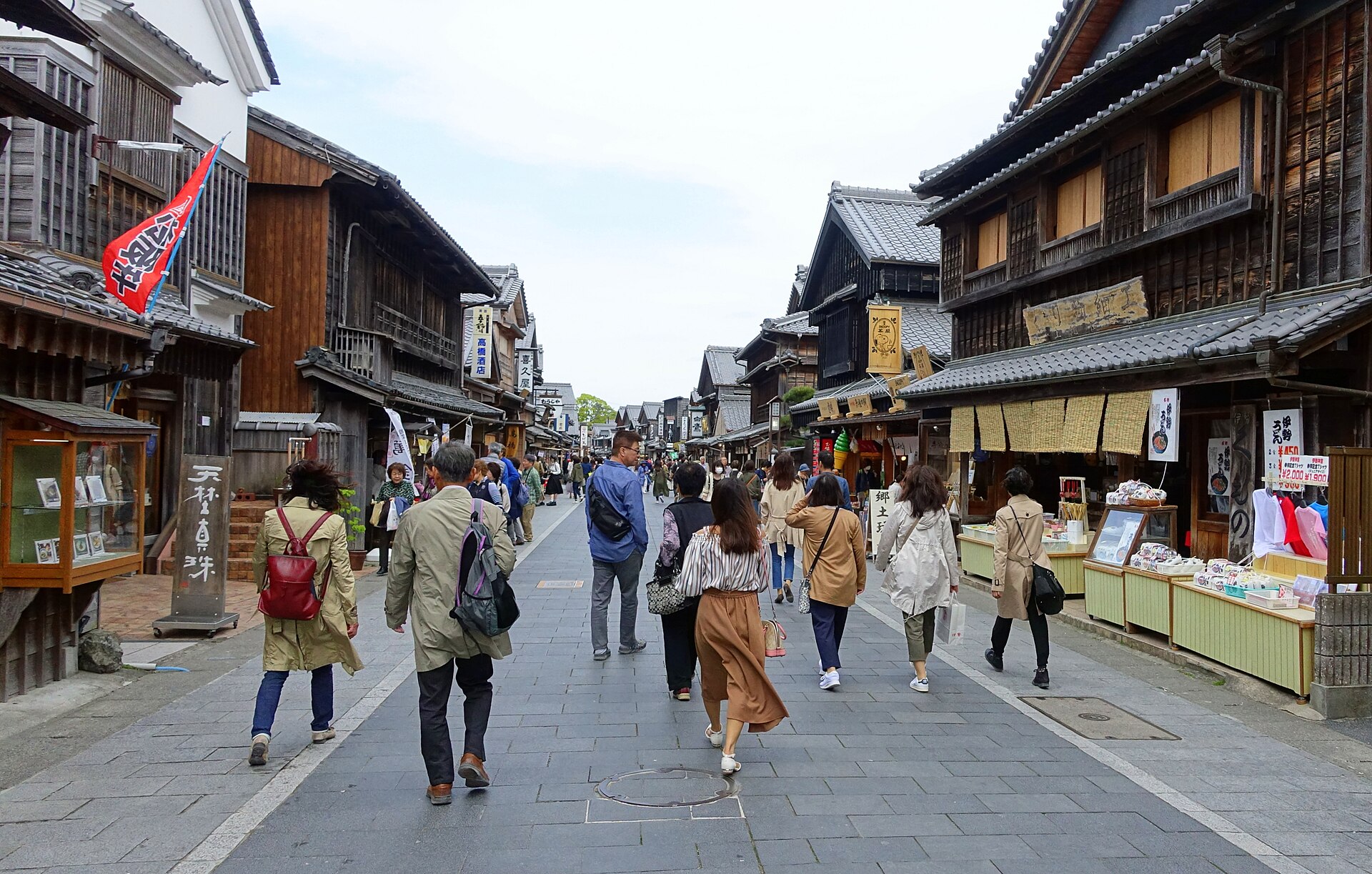
- Oharai-machi streetthe stone-paved approach to the inner shrine, shops on both sides
- Okage Yokochoa block of Edo- and Meiji-period Ise-road buildings moved here and rebuilt
- Okage-za Shinwa no Yakatathe one paid room in the block, a walk-through telling of the Ise myths
- The Isuzu River side of the blockthe eastern edge, where the lanes face the river
How to actually get there
- Nagoya or Osaka → Ujiyamada Station (Kintetsu limited express).
- Ujiyamada Station → Jingu Kaikan-mae (Mie Kotsu bus bound for Naiku, about 20 min).
- Jingu Kaikan-mae → Oharai-machi street → Okage Yokocho (a minute on foot).
- Okage Yokocho → the Uji Bridge at the entrance to the inner shrine, a short walk south along the approach.
- From Ujiyamada Station by bus
- Kintetsu's Ujiyamada Station is the usual gateway, and Mie Kotsu buses bound for Naiku reach the Jingu Kaikan-mae stop in about 20 minutes. Buses on the same road also start from Iseshi Station. Fares and timetables change, so check the operator before you set out.
- Back toward the stations
- Take a bus in the opposite direction along the same road for Iseshi and Ujiyamada. Services thin out in the evening and the approach empties once the shops close, so check the last departure before you order a second bowl.
About the place
Ise udon looks wrong to anyone expecting udon in broth. The noodles are thick and intentionally soft, boiled far longer than ordinary udon, and they arrive with only a ladle of dark sauce at the bottom of the bowl. That sauce is built on tamari soy sauce with dashi, mirin and sugar, and it is meant to be stirred through the noodles rather than drunk. Wheat was grown here as a second crop after rice long before the dish had a name. Okage Yokocho stands midway along the approach to the inner shrine, a block of Ise-road houses moved here and rebuilt, and several of its kitchens put the bowl on the counter.
How to enjoy it
Shops in the block open around 9:30 and close in the late afternoon, and the hours move with the season. The approach is at its fullest in the middle of the day, so an early or late bowl leaves you more room at the counter. The recipe published by the agriculture ministry says to stir the sauce up through the noodles in the bowl before the first mouthful.
Background & history
Pilgrimage to Ise became mass travel in the Edo period, and shops along the approach kept noodles boiling all day so a traveller could eat the moment they sat down. For a long time the dish carried no special name; people simply called it udon. A songwriter who ate it said on the radio that a noodle this unusual deserved the name Ise udon, and in 1972 the city's noodle and restaurant association fixed that name on its member menus. The eating is old and the label is recent.
Before you go
- Cash
- Walking into the block itself costs nothing; only Okage-za Shinwa no Yakata charges admission. Small shops differ in whether they take cards, so carry some cash. The car parks serving the approach are municipal and paid.
- Before you go
- Hours are seasonal and the block shuts earlier in winter. The approach is open air, and rain sits on the stone paving, so shoes with grip help. Individual shops keep their own rest days.
- Another way
- Iseshi Station stands at the head of the road to the outer shrine, and the bus route to Naiku passes it, so the two shrines fit into one day. Kintetsu and JR both reach Iseshi.
- After you get off
- Get off at Jingu Kaikan-mae and the approach is a minute away on foot. Turn toward the inner shrine and the block opens off the street a short way along. If you stay on to the Naiku-mae terminus instead, walk back north up the approach.