East Hokkaido · AkkeshiNo.961★★Open in map →
Akkeshi Oysters
— Eaten at the roadside station above the bay
Oysters raised between a brackish lagoon and Akkeshi Bay, and shipped year-round rather than in a single winter season. The town's roadside station on the bluff is the public place to buy them, grill them or take them raw.
- FromKushiro Station
- ~1 hrJR Hanasaki Line
- Get off atAkkeshi Station (JR Hanasaki Line)
- On foot
- Akkeshi Oysters
The sweet spot
This is not an undiscovered corner — the roadside station is one of the best-known stops in eastern Hokkaido and fills with drivers on Route 44. What changes the day is arriving by train instead. The Hanasaki Line runs only a handful of times, so the walk up from the platform lands you there between the coach parties rather than inside them.
Where it is
102 more notes in Hokkaido · open the map →What to look for — in walking order
- The fish market floorthe counter where oysters are picked out by size and count before you cook them
- Sumiyaki Aburiyathe indoor charcoal grill upstairs, where what you bought on the market floor is cooked
- The oyster barthe raw counter, where a dash of the local Akkeshi whisky is poured over the shell
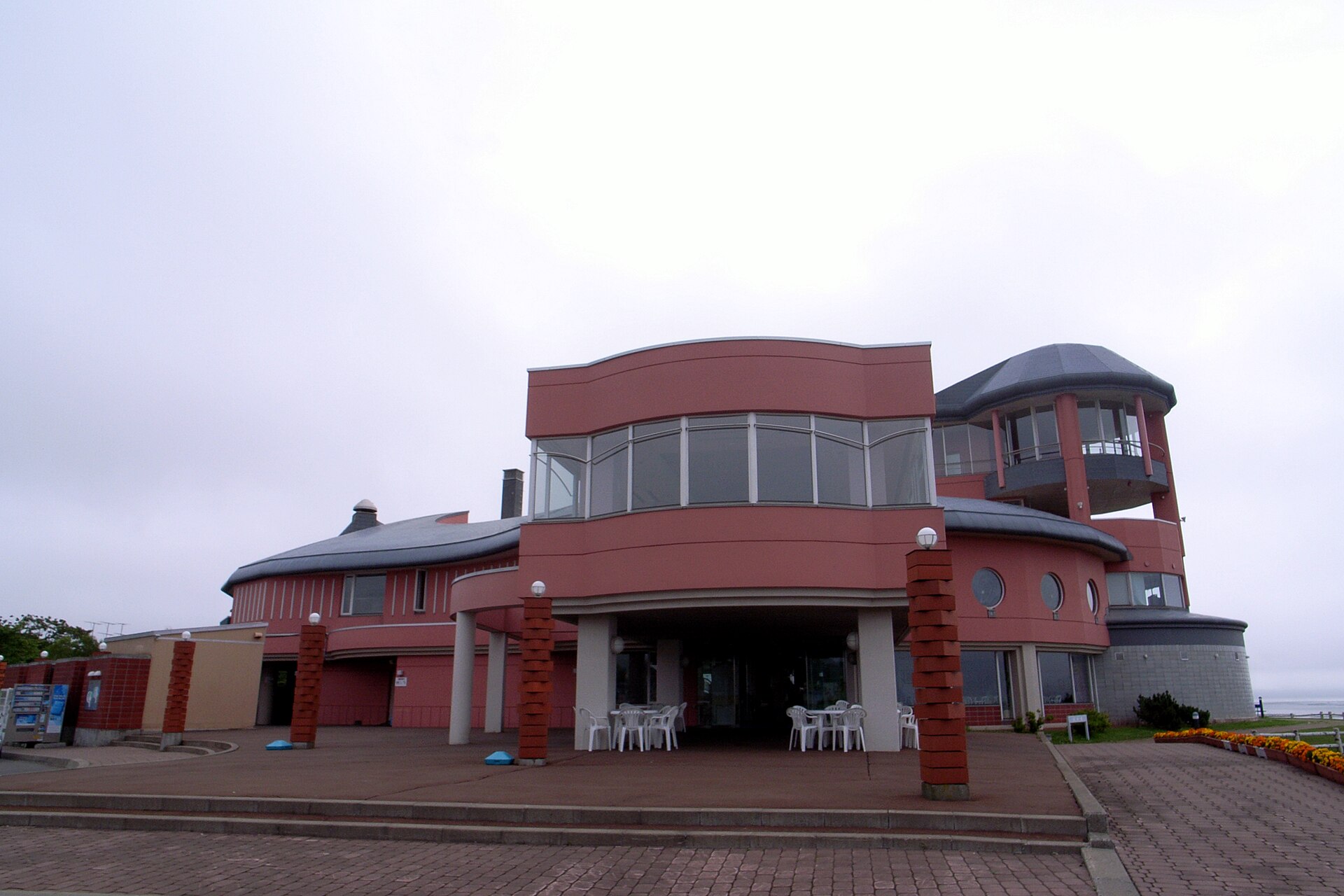
- The observation floorthe top of the shell-shaped building, looking over the harbour and the water beyond
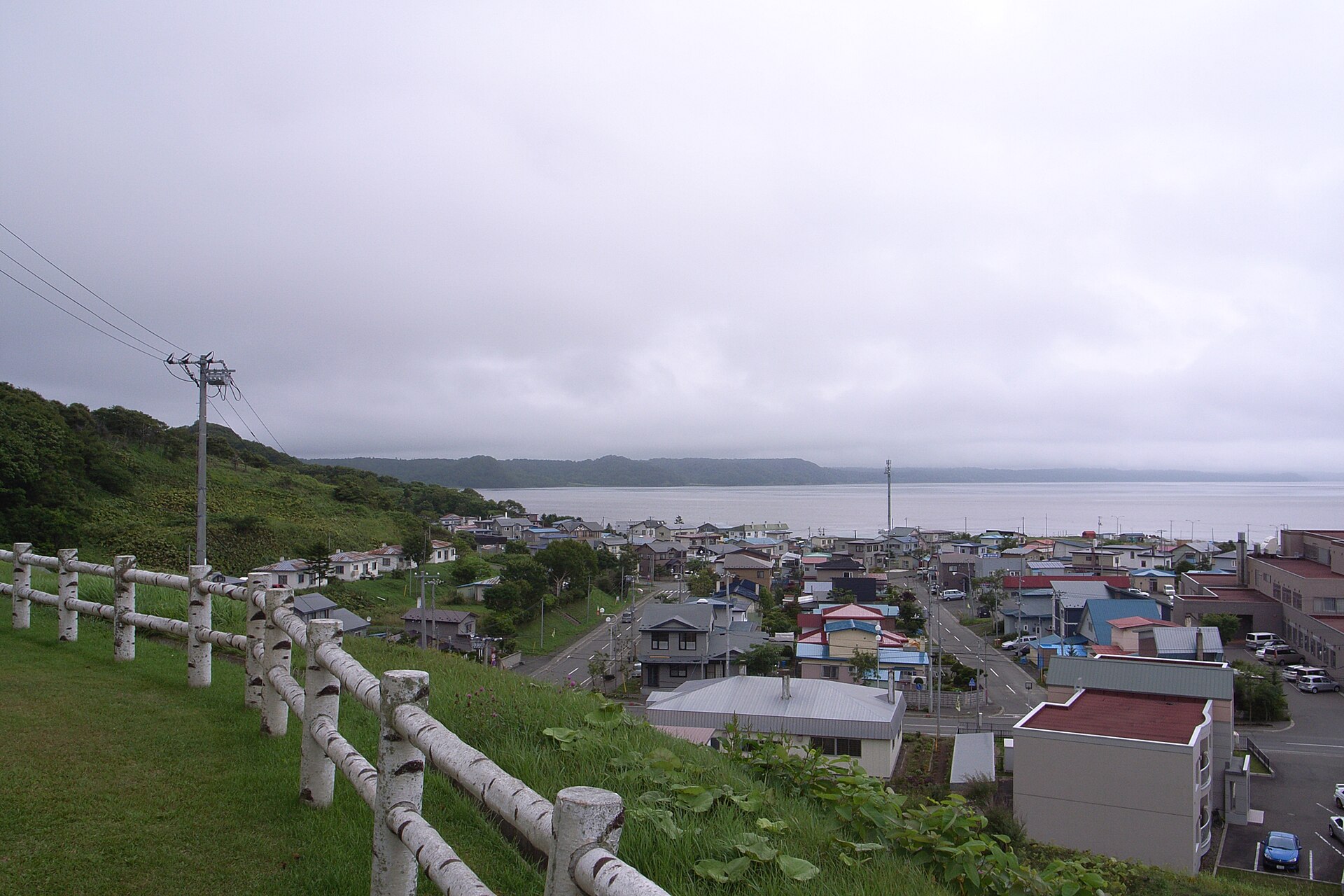
- Akkeshi Bridgethe 456.5-metre span below, Hokkaido's first bridge built over the sea, linking the two shores
How to actually get there
- Kushiro Station → Akkeshi Station (JR Hanasaki Line toward Nemuro, roughly an hour).
- Akkeshi Station → the pedestrian overpass across the tracks.
- Follow the road up the slope to the roadside station on the bluff.
- Buy on the market floor first, then take it upstairs to the grill.
- JR Hanasaki Line, direct from Kushiro Station
- Kushiro Station →(JR Hanasaki Line toward Nemuro, roughly an hour)→ Akkeshi Station. There are only a few departures a day, so the timetable decides the trip rather than the other way round. JR Hokkaido slows some trains through the scenic stretches, and the section approaching Akkeshi runs along the bay.
- Return from Akkeshi Station
- Trains back toward Kushiro also run only a handful of times a day, the last one in the evening. Decide which departure you are taking before you sit down to eat, because there is no fallback service later. The station is staffed, so you can confirm the return time at the window.
About the place
Akkeshi sits on the eastern Pacific coast of Hokkaido, where the Bekanbeushi River empties into a shallow lagoon that in turn opens to Akkeshi Bay. The river brings fresh water and the tide brings salt, and the growers work the difference: baskets are moved between the cold lagoon and the bay so that the shellfish are always in the water that suits them, which is why Akkeshi ships oysters through the year instead of in one winter run. The wetland behind all this is registered under the Ramsar Convention as Akkeshi-ko and Bekanbeushi-shitsugen, covering 5,277 hectares. The town's shell-shaped roadside station stands on the bluff above the harbour and is where that harvest reaches visitors.
How to enjoy it
Buy first, cook second: the market floor is the start of the route and the grill upstairs is the point of it. Winter is when oysters are conventionally eaten, but the year-round shipping means a summer visit is not a compromise here — the difference is the weather on the bluff, not the shellfish. Because the Hanasaki Line runs only a few times a day, work out your return departure before the first shell is opened.
Background & history
Oysters have been recorded here for a long time: a Dutch East India Company ship, the Castricum, put into Akkeshi Bay in 1643 and left an account of the shellfish. Modern farming was rebuilt from a low point, and the town opened its own oyster seed centre in 1999, with the first single-seed oysters shipped the following year. That work produced the local brand names — Kakiemon, raised one shell to a basket, and later Bentenkaki, launched in 2016. The bay also carries older history ashore: the Edo-period temple Kokutaiji, founded in 1804 as one of three government temples in Ezo, has its site protected as a National Historic Site.
Before you go
- Cash
- Akkeshi is one of only three staffed stations on the Hanasaki Line, alongside Kushiro and Nemuro, so tickets and return times can be sorted at the counter here. Inside the roadside station each floor is run as a separate operation — market, grill, cafe, restaurant — and you settle up with each one, so carry cash as well as a card.
- Before you go
- The roadside station publishes its closing days month by month, so check before making a long detour for it. Eastern Hokkaido winters are severe and the bluff is exposed to wind off the bay. The grill and the raw bar keep their own hours within the building's opening times.
- Another way
- By car it is Route 44 east from Kushiro, the road that carries on to Nemuro, with the roadside station signed off it and a large car park at the door. Drivers can also pair the stop with Akkeshi Bridge and the lagoon shore, which are hard to reach on foot in the time a train schedule allows.
- After you get off
- From Akkeshi Station, cross the railway on the pedestrian overpass and follow the road up the slope; the roadside station stands on the bluff directly above, and its tower is visible from the platform side.