Northwest Gunma · KuniNo.952★★Open in map →
Kuni-Akaiwa Village
— Gunma's first preservation district, built on silk
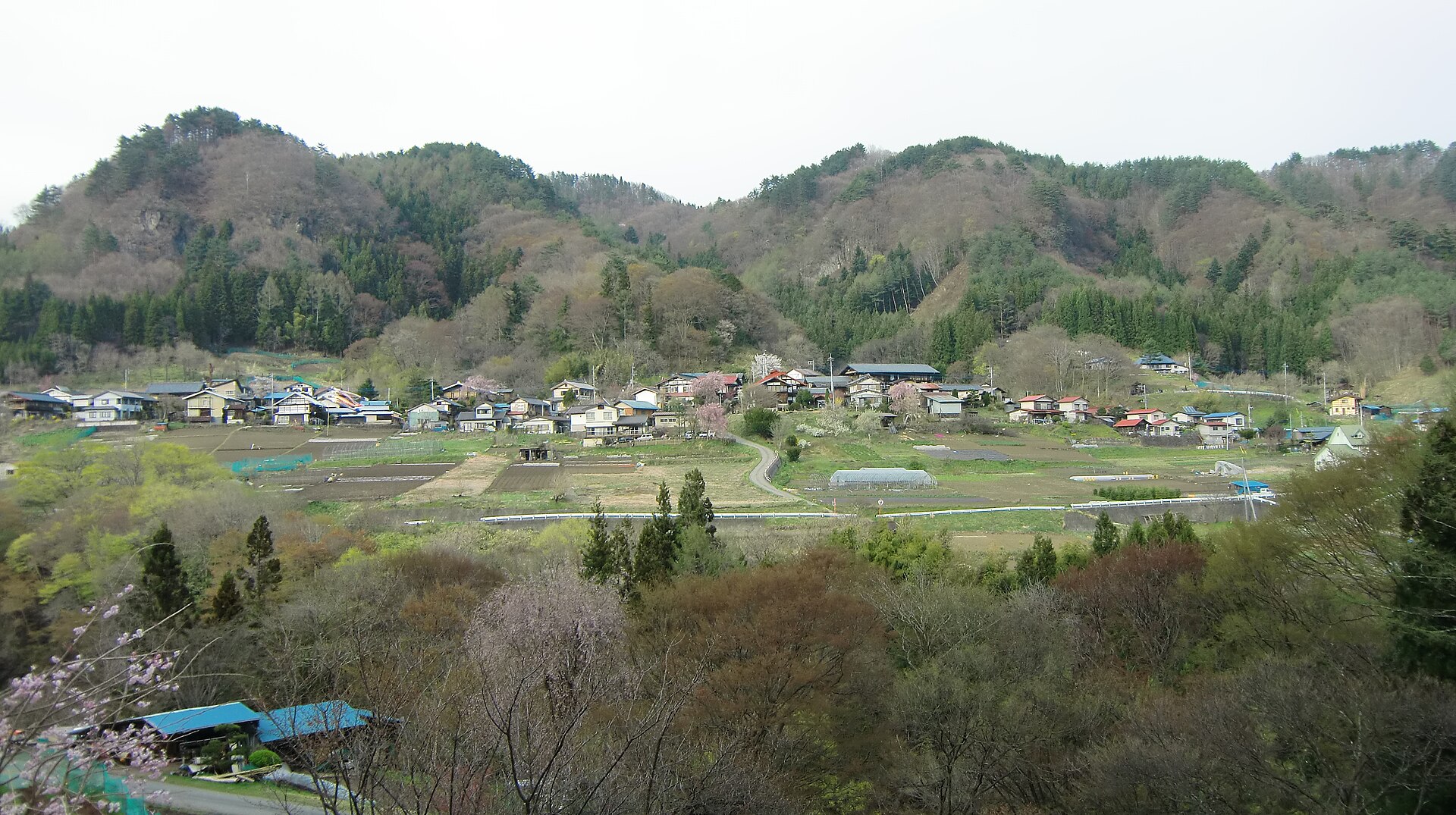
A mountain hamlet on the upper Shirasuna River where tall silk-farming houses line one lane. It was the first place in Gunma to be designated a national preservation district, and the houses along the street are still lived in.
- FromNaganohara-Kusatsuguchi Station (JR Agatsuma Line)
- 15–20 minLocal bus from the station
- Kuni-Akaiwa Village
The sweet spot
Akaiwa is not hidden. It carries a national designation and the visitor house takes bookings for a guided walk. It stays unhurried because it was never rebuilt as an attraction: the lane is a residential road and the main houses are private, so what is on show is the outside of a settlement that never stopped being lived in.
Where it is
20 more notes in Gunma · open the map →What to look for — in walking order
- Akaiwa Fureai-no-iethe village visitor house, with the car park, toilets and the guide desk
- The main laneone street of tall main houses set behind stone-walled front yards
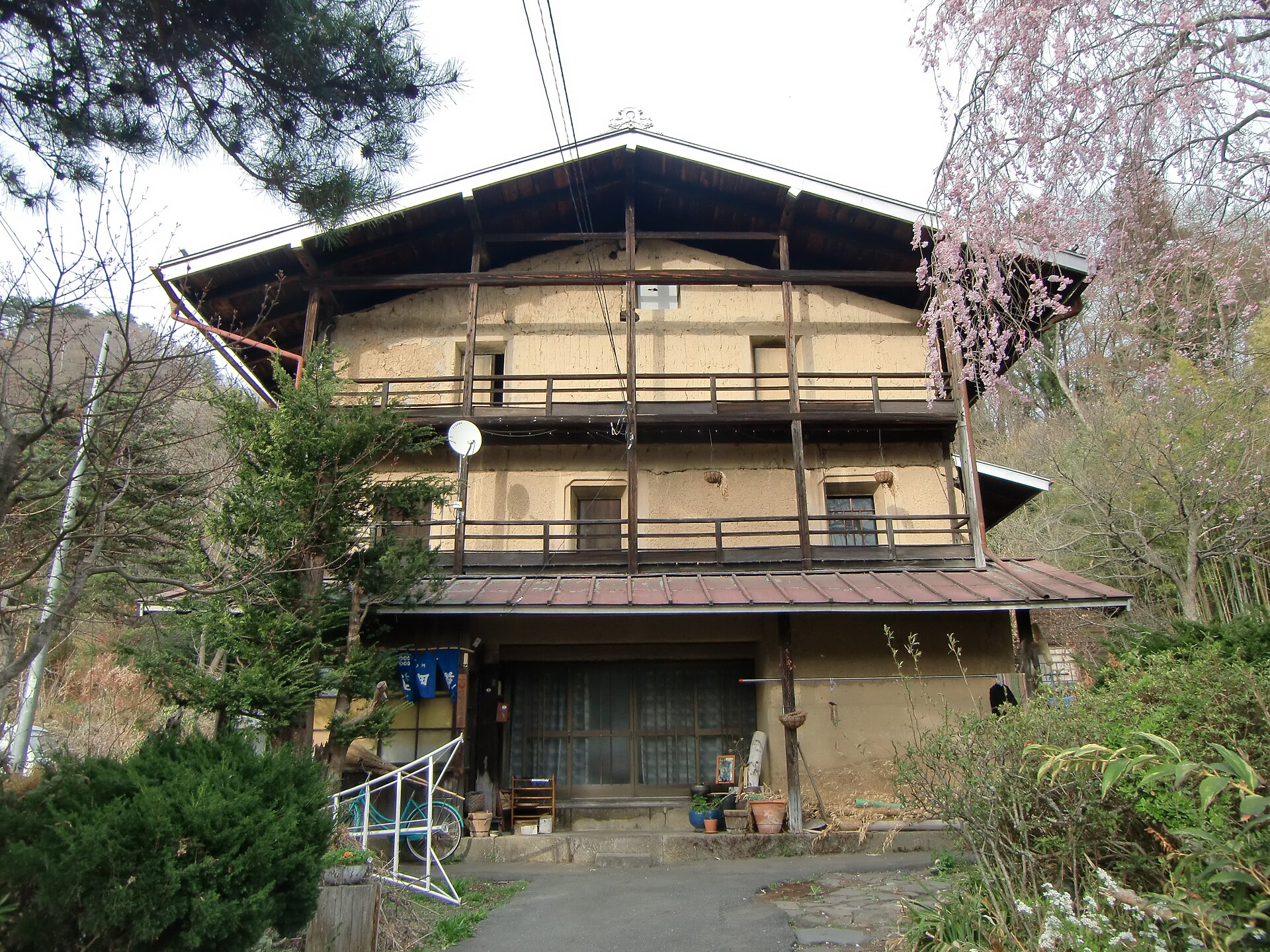
- Debari eavesbeams pushed out past the wall, carrying an upper-floor walkway over the front
- Yumoto housethe house at the centre of the village, keeping the upstairs room named for its fugitive guest
- The edge of the settlementfields, prayer halls and graveyards that the designation covers along with the houses
How to actually get there
- Naganohara-Kusatsuguchi Station → Minami-Ohashi (Kuni district local bus, about 12–15 min).
- Minami-Ohashi → Akaiwa Fureai-no-ie visitor house (walk about 5 min).
- Walk the main lane to the far edge of the settlement and back to the same stop for the bus down.
- Kuni district bus from Naganohara-Kusatsuguchi Station
- From bay 5 outside Naganohara-Kusatsuguchi Station on the JR Agatsuma Line, the Kuni district local bus runs up the Shirasuna valley towards Hanashiki Onsen and Lake Nozori. Get off at Minami-Ohashi — the town and the prefecture put the ride at roughly 12 to 15 minutes — and the village is about five minutes' walk from the stop.
- Back down the valley on the same route
- The same bus route returns to Naganohara-Kusatsuguchi Station, where the Agatsuma Line runs down towards Takasaki and limited express services continue to Ueno. Departures are spaced out, so read the timetable at the stop when you arrive and pick your return before you start walking.
About the place
The village occupies a terrace on the left bank of the Shirasuna River, hemmed in by wooded slopes. One main lane runs through it, lined with the tall main houses that silkworm rearing demanded, their upper floors built as work space rather than living rooms. Around the houses lie fields, small prayer halls and burial grounds, and all of it — roughly 63 hectares — sits inside the designated area. Many of the houses carry a Debari, a beam pushed out past the outer wall so that the upper storey and its walkway project over the ground floor. Families altered these buildings whenever the work changed, which is why so many are still in use.
How to enjoy it
Start at the visitor house, where the car park and toilets are, and walk the lane out and back. A guided walk in Japanese can be arranged for a fee with about a week's notice, and runs roughly an hour. Buses up the valley run to a timetable rather than a frequency, so check the return departure before you set off.
Background & history
Silk made Akaiwa. Modern sericulture reached the valley in the Meiji era and reshaped the houses, stacking upper floors above the living quarters for trays of silkworms. The village is also tied to Takano Choei, the scholar of Western learning hunted by the shogunate, who is said to have been sheltered at the Yumoto house late in the Edo period; a room upstairs still carries his name. On 5 July 2006 the settlement was selected as an Important Preservation District for Groups of Traditional Buildings, the first such district in Gunma.
Before you go
- Cash
- Walking the lane costs nothing. Guided walks are arranged through the visitor house and were listed at 2,000 yen per guide when checked, with about a week's notice asked for. Carry cash for anything you buy in the valley.
- Before you go
- The main houses are private homes. Look from the lane, and do not enter yards or buildings unless they are signed as open. The lane is a working road, so watch for vehicles, and in winter this is a mountain valley road — check conditions before travelling.
- Another way
- By car, follow the Shirasuna valley road up from the Naganohara area. The visitor house has a small free car park for about five cars, and there is a larger space for coaches near Minami-Ohashi.
- After you get off
- From Naganohara-Kusatsuguchi Station the last leg is the Kuni district bus. From the Minami-Ohashi stop it is about a five-minute walk up to the village lane, and the visitor house is the obvious place to start.