Ehime · UwajimaNo.1096★★Open in map →
Uwa Sea Akoya Pearls
— Ehime's pearl coast, entered at a roadside hall
Ehime lands more cultured pearls than any other prefecture, and nearly all of them are grown in the deep inlets of the Uwa Sea. A free hall on Route 56 north of Uwajima is where the pearls and the finishing work are put on show.
- FromUwajima Station (JR Yosan Line / Yodo Line)
- ~10 minBus or taxi from Uwajima
- Uwa Sea Akoya Pearls
The sweet spot
Pearls are no secret here — they are one of the things the prefecture is known for. But pearl tourism in Japan is filed under Mie and its museum island, and the place that actually lands the volume is not the place with the billing. The hall north of Uwajima takes coach parties through the middle of the day and not much else, so on either side of those stops it is usually near empty.
Where it is
29 more notes in Ehime · open the map →What to look for — in walking order
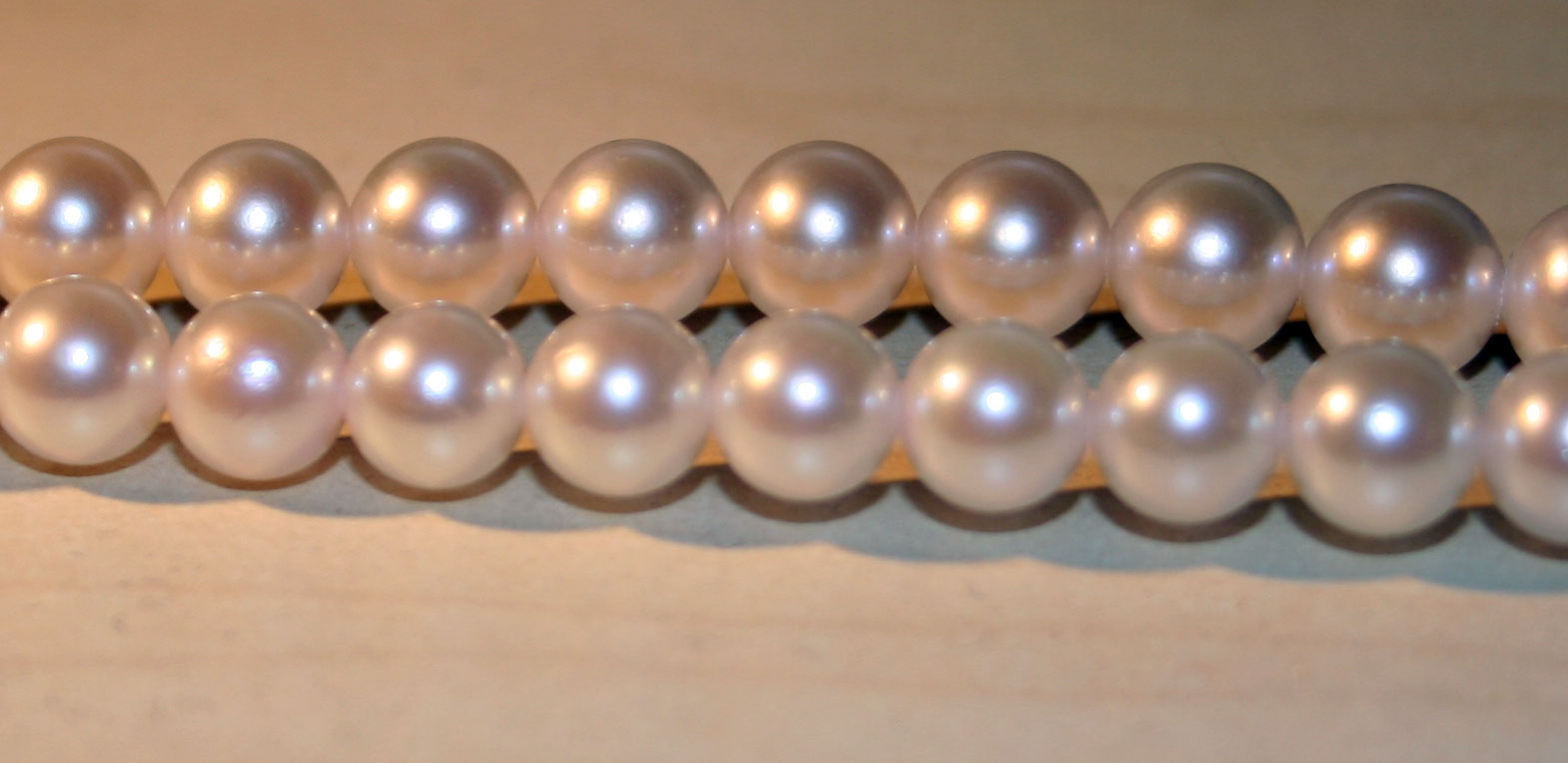
- The display floorover 3,000 pearl pieces on show at once, from graded strands to single mounted stones
- The finishing benchdrilling, matching and stringing worked in the open where visitors can watch
- The pearl modelsUwajima Castle and a pagoda built up out of pearls, the hall's own set pieces
- The workshop cornerbooked sessions where a strand or a small piece is assembled by hand
- The Nanyo counterproduce and preserved goods from southern Ehime, with a dining room next door
How to actually get there
- Matsuyama to Uwajima on the limited express Uwakai.
- North out of Uwajima on Route 56 — taxi, or an Uwajima Jidosha bus to the Toku-no-Mori stop.
- Into the hall; entry is free and the displays fill the main floor.
- Watch the finishing bench, and if you want to make something, phone ahead and come inside one of the two daytime windows.
- Uwajima Station, then a short hop north
- The limited express Uwakai runs down from Matsuyama over the Yosan and Uchiko lines, and Uwajima is where both of the city's JR lines end. From the station the hall is about four kilometres north along Route 56, roughly ten minutes by taxi. Uwajima Jidosha buses heading for Unomachi and Matsuyama stop at Toku-no-Mori, about a minute's walk from the building.
- Back down Route 56 to the station
- The same buses and taxis run back into the city. Uwakai departures thin out through the evening and the last train toward Matsuyama leaves earlier than the local services do, so check the board at Uwajima before you commit to a late afternoon out here.
About the place
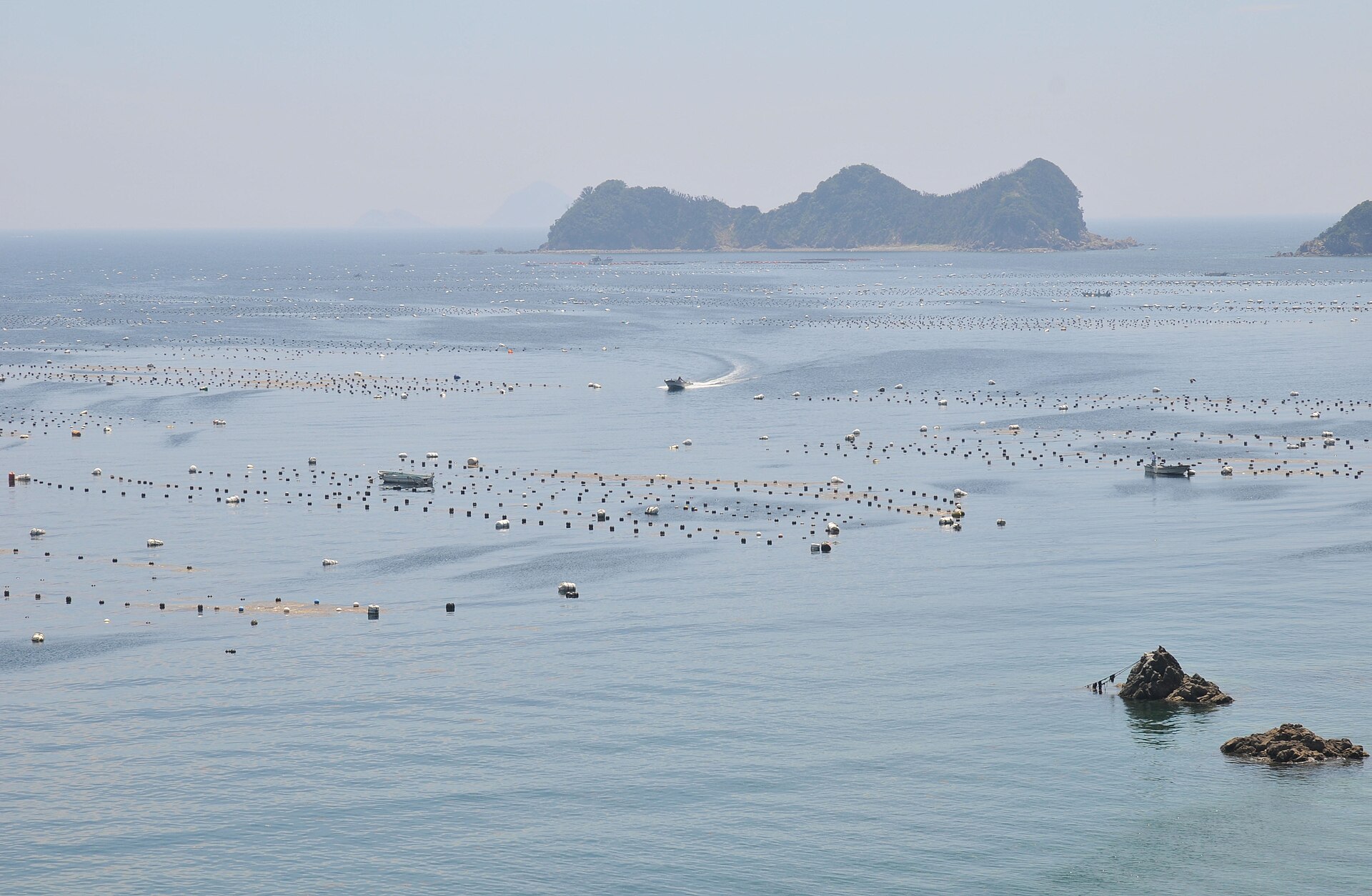
The Uwa Sea is the Ehime side of the Bungo Channel, a drowned coast of narrow inlets and rock shore with almost no sand to it. That shape gives sheltered water at a steady depth, which is what the akoya oyster wants, and the same inlets carry yellowtail and sea bream. Spat are grown on for roughly two years into mother shells before a nucleus is set inside, and the oyster then holds it until harvest. Ehime leads the country in finished pearls and in mother shells both. None of that work happens where a visitor can reach it, which is why a hall on the highway does the explaining instead.
How to enjoy it
The finishing demonstration and the making sessions are fixed to two windows, 9.00 to 11.00 and 14.00 to 17.00, and a session has to be booked by phone rather than asked for on the day. Coaches pull in off Route 56 across the middle of the day, so the far ends of those windows are the calmer times to stand at the bench. The shop side keeps longer hours than the workshop side, which is worth knowing if you arrive late.
Background & history
Pearl farming reached this coast around 1907 and has been worked here for well over a century. It began at the southern end of the Uwa Sea and spread along the whole indented shoreline, sharing the inlets with the fish farms already there. Ehime went on to lead the country in cultured pearls, and to lead it in mother shells as well — the seeded oysters that growers in other regions buy in. That trade is why a pearl hall stands out on the highway north of the city rather than a single counter inside a souvenir shop.
Before you go
- Cash
- Entry to the hall is free. The accessory session is charged and has to be booked ahead by phone; the fee is quoted differently in different listings, so settle it when you call rather than at the counter. Parking is free, with room for around 50 cars and 20 coaches.
- Before you go
- Watching the finishing work and taking a session are both tied to two daytime windows, so an evening arrival gets the shop and nothing more. The hall stands inland on the highway, not on the water: the rafts are out in the inlets and cannot be seen from here. For the sea itself you have to go west or south out of the city.
- Another way
- Coming down from Matsuyama by car, leave the expressway at Seiyo-Uwa and follow Route 56 south for about 20 minutes. In the city itself, the Kisaiya Hiroba roadside station gathers Uwajima's pearl dealers under one roof, which is the easier stop if you are already on the waterfront.
- After you get off
- Leave Uwajima Station on the Route 56 side and head north out of the city. By bus, take an Unomachi or Matsuyama service and get off at Toku-no-Mori; the hall is a couple of minutes from the pole. By taxi it is one run of about ten minutes with no changes.