Kanagawa · Kamakura / Kita-KamakuraNo.230★★★Open in map →
Kencho-ji
— Japan's first Zen monastery
Founded in 1253 and ranked first among Kamakura's Five Great Zen Mountains, Kencho-ji remains an active training monastery where the atmosphere of early Japanese Zen is still palpable.
- FromTokyo Stn
- ~75 minJR Yokosuka Line
- Get off atKita-Kamakura Station (JR Yokosuka Line)
- On foot
- Kencho-ji
Where it is
43 more notes in Kanagawa · open the map →What to look for — in walking order
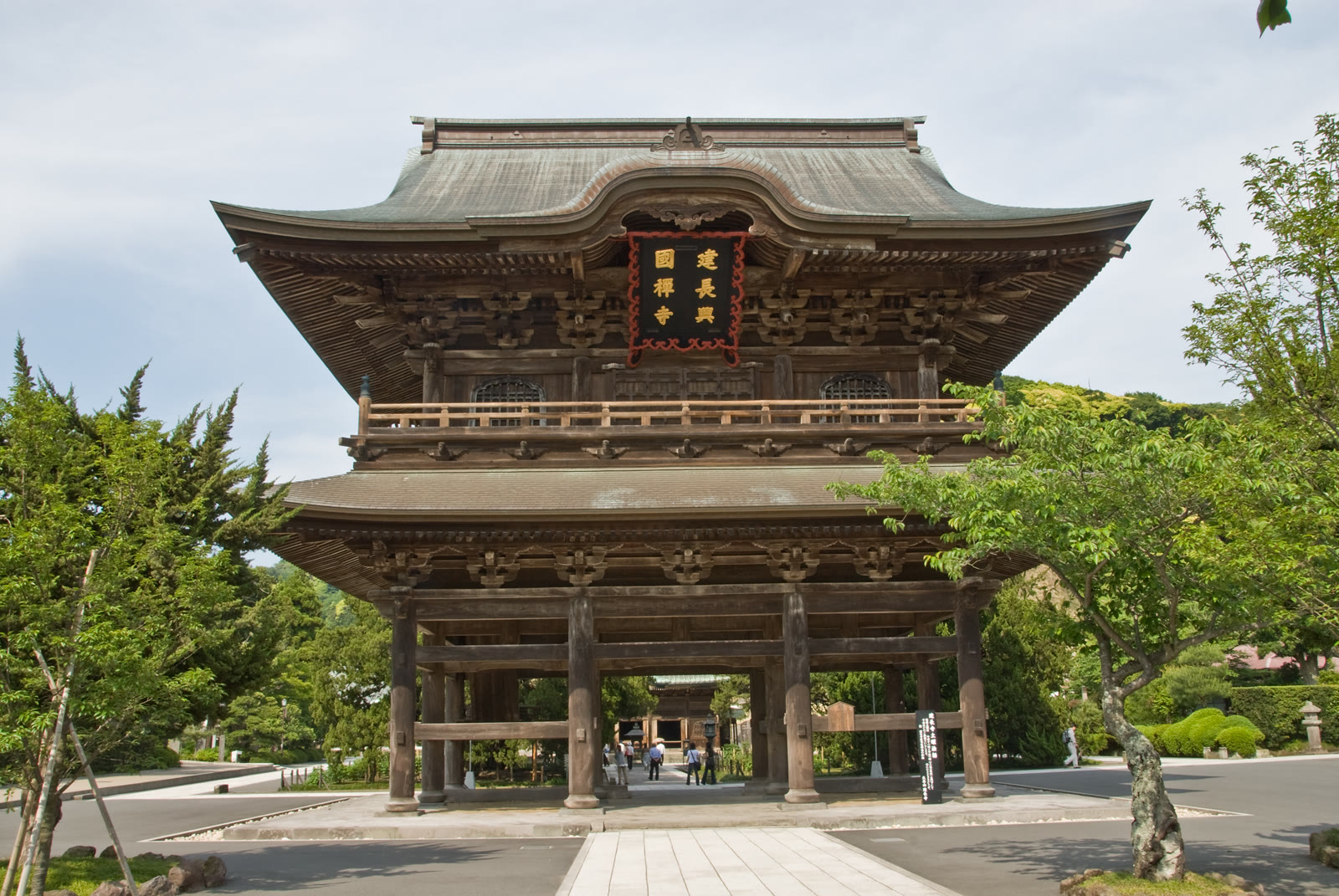
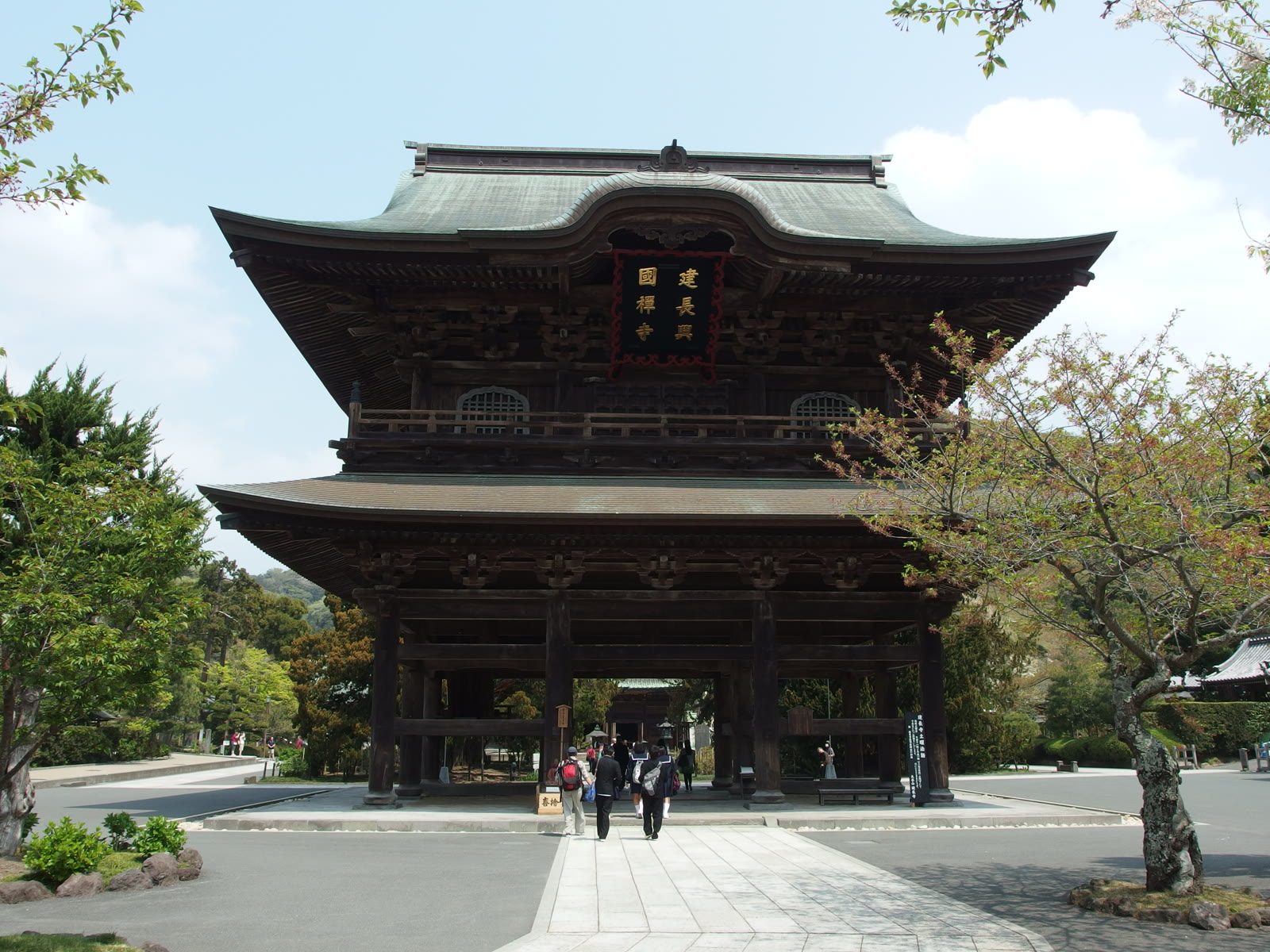
- Sanmon gatethe imposing two-storey main gate marking the entrance to the sacred precinct
- Butsuden (main hall)houses a large seated Jizo Bosatsu figure, unusually the main object of worship at a Zen temple
- 760-year-old Chinese junipera massive juniper in the main courtyard, said to have been planted by founding abbot Rankei Doryu
- Hojo gardenthe tranquil inner garden behind the abbot's quarters, attributed to Rankei himself
- Hansobo shrine ridge traila steep path beyond the garden climbs to a small shrine with views over the Kamakura hills
How to actually get there
- Tokyo Station → Kita-Kamakura Station (JR Yokosuka Line, ~55 min).
- Kita-Kamakura Station → Kencho-ji main gate (walk southeast along the main road, ~15 min).
- Inside the gate, follow the stone path through Sanmon Gate to the Butsuden (Buddha Hall) and Hojo garden. Allow 60–90 min to walk all seven sub-temples and gardens.
- JR Yokosuka Line to Kita-Kamakura Station
- Tokyo Station → (JR Yokosuka Line, toward Kurihama/Zushi, ~55 min) → Kita-Kamakura Station → (walk southeast along the main road, ~15 min) → Kencho-ji. Total ~70–75 min. Trains run every 15–30 min from Tokyo.
- Return from Kita-Kamakura Station
- Walk back south from the temple to Kita-Kamakura Station (~15 min) and take the JR Yokosuka Line back to Tokyo. Trains run frequently through the evening.
About the place
Kencho-ji was founded in 1253 by Hojo Tokiyori, the fifth regent of the Kamakura shogunate, who brought the Chinese Rinzai monk Rankei Doryu (Lanxi Daolong) from Song-dynasty China to be its founding abbot. It was the first monastery in Japan built from the outset as a dedicated Zen training institution, and it ranks first among the Kamakura Gozan, the Five Great Zen Mountains. The complex runs deep into a narrow valley: the Sanmon gate, Butsuden, and Hatto lecture hall stand in line along the main axis, with the inner garden — laid out by Rankei himself — sitting just behind. Today Kencho-ji still operates as a working Rinzai monastery with resident training monks, and public zazen sessions open the practice to visitors on Friday and Saturday afternoons.
How to enjoy it
Arrive close to the 8:30 opening to walk the quiet main compound before the midday crowds. The 760-year-old juniper is the single most striking object in the grounds; seek it out in the main courtyard. Public zazen sessions run from 15:30 on Fridays and Saturdays — no reservation is needed, just the standard ¥500 entry fee. The ridge trail to Hansobo shrine at the back of the grounds adds an uncrowded thirty-minute loop with good views.
Background & history
The temple takes its name from the Kencho era in which it was founded (1249–1256). Among its treasures, the temple bell cast in 1255 is a National Treasure — the oldest dated Zen bell in Japan. The Sanmon gate, Butsuden, and Kara-mon (Chinese-style gate) are designated Important Cultural Properties. The founding abbot planted a Chinese juniper in the main courtyard; that tree still stands after more than 760 years, and it is considered one of the oldest trees in the Kanto region.
Before you go
- Cash
- IC cards (Suica / PASMO) are accepted on the JR line. Temple admission is ¥500.
- Before you go
- Open 8:30–16:30 (last entry 16:00). Busiest in spring (cherry blossom) and autumn (foliage); weekday mornings are calmest.
- Another way
- Kamakura Station (one stop south on the Yokosuka Line) is also accessible; from there the temple is about a 25-minute walk north through town.
- After you get off
- From Kita-Kamakura Station, follow the main road southeast, toward Kamakura, for about 15 minutes; the temple gate is on the left.